Rats and mice in Helensville
Helensville sits on land that used to be marsh and later became dairy country. For rats, wet ground and old farm buildings are both good news.
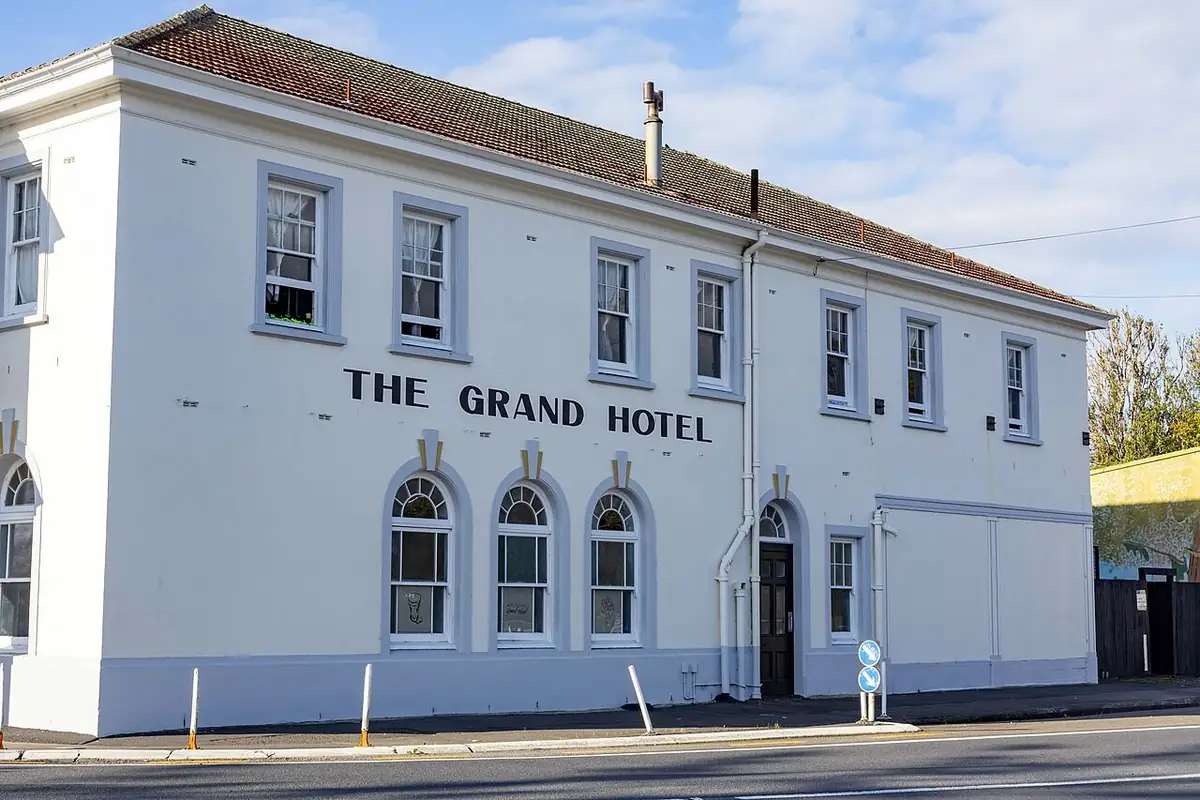
Of all the West Auckland towns, Helensville has the most water in its boundary and the most farmland. Both affect what we find in a house.
The Helensville area has traditionally been a wetland and flood plain for the Kaipara River, marshy floodland until farm development from the late 19th century.
Source: Wikipedia, HelensvilleThe town's own community history site adds the dairy chapter: the Kaipara Dairy Company, established in 1911, became the largest employer, and the dairy factory closed in the late 1980s. That site is a community resource and not an official body, so we treat it as local history.
The scale of the water
Helensville's boundary covers 13,186 ha. About 3,022 ha is mapped as flood plain, 1,377 ha is in a Significant Ecological Area overlay and 447.1 km of permanent stream runs through it (measured 17 November 2026, boundaries generalised).
Source: Auckland Council open dataThat boundary takes in a lot of rural land beyond the town itself, so these figures describe a district, not the main street. The Kaipara Moana Remediation programme says that across the whole Kaipara catchment less than 10% of the original native forest and 5% of wetlands remain, which is a regional context and not a Helensville-specific fact.
Our reading: Norway rats and damp ground
The Department of Conservation says the Norway rat is mostly found in urban areas, living alongside people. In a town of wet low ground, drains, a river and old farm and industrial buildings, we would expect Norway rats at ground level to be the common find: burrows beside foundations, runs along drains, activity in sheds, under decks and in chicken runs. This is inference, as no survey names rats in Helensville.
The ship rat is a good climber, so houses near trees or the bush on the district's edge may still see them in the roof space.
Practical places to look:
- Drains and stormwater edges, where burrows appear.
- Sheds, barns and stored feed, the legacy of farm land.
- Damp subfloors, which give shelter and are covered in our borer page for Helensville.
- Poultry and compost areas on rural sections.
- The gaps in older timber buildings, where boards have shrunk and vents have failed.
A wet district, not only a wet town
If you are on a rural property outside the main street, the flood plain and stream numbers apply more strongly than they do in town. Heavy rain moves animals to higher ground, which includes the house and the outbuildings.
What a visit involves
A technician checks the drains, the outbuildings, the subfloor and the roof, and writes up a quote. Tamper-resistant stations go where activity is, to label directions. Published Auckland sources give about $199 to $300 for a standard house and $1,000 or more for large or heavy jobs (checked 17 November 2026), and larger rural properties tend toward the upper end. The price page for rats and mice has sources, and rodent proofing follows treatment.
Reading the signs on a rural section
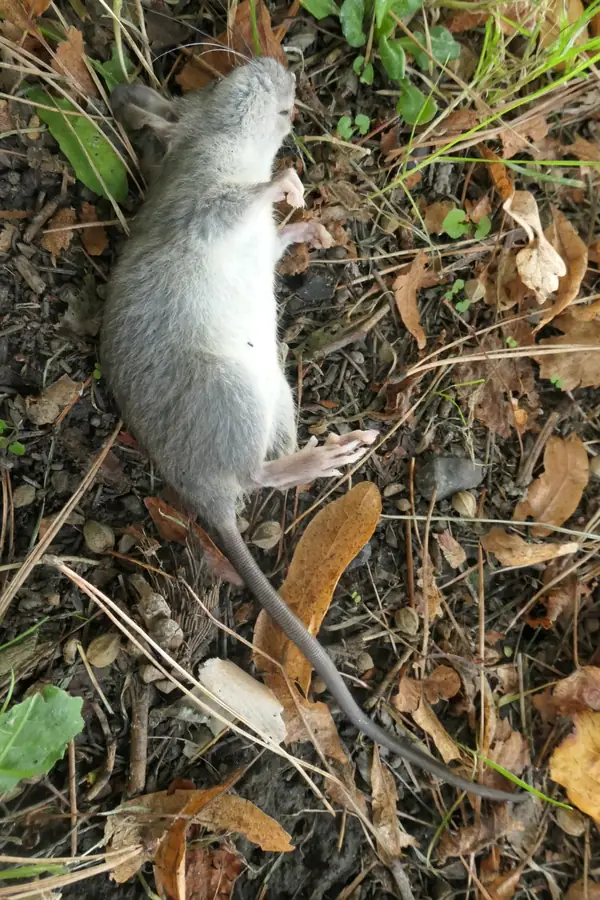
Norway rats leave evidence at ground level. Look for burrow openings about the width of a fist beside foundations, under sheds and along the base of fences. Look for smooth, well-worn runs through grass or beside walls, and for gnawed feed sacks and chewed pipe lagging. A technician reads the same signs and uses them to decide where stations go, so a note of where you have seen them saves time. Our guide to telling rat and mouse droppings apart covers what is left behind indoors.
Is a country property harder to treat?
Larger, so more stations, but the principle is the same. Outbuildings come first.
Does the old dairy factory matter now?
Not directly. It is history. The relevant point is that farm buildings and wet ground are still here.
Next step
The Helensville suburb page covers the town, and the overview of rats and mice shows how jobs run. Ring 09 872 7624, where an assistant takes your details and a specialist calls back, or use the callback form.
Sources for this page
Where a source describes the place rather than pests, the pest relevance is our own reading.