Pest control in Hobsonville
An air base turned into homes, wetlands with trap lines and apartments.
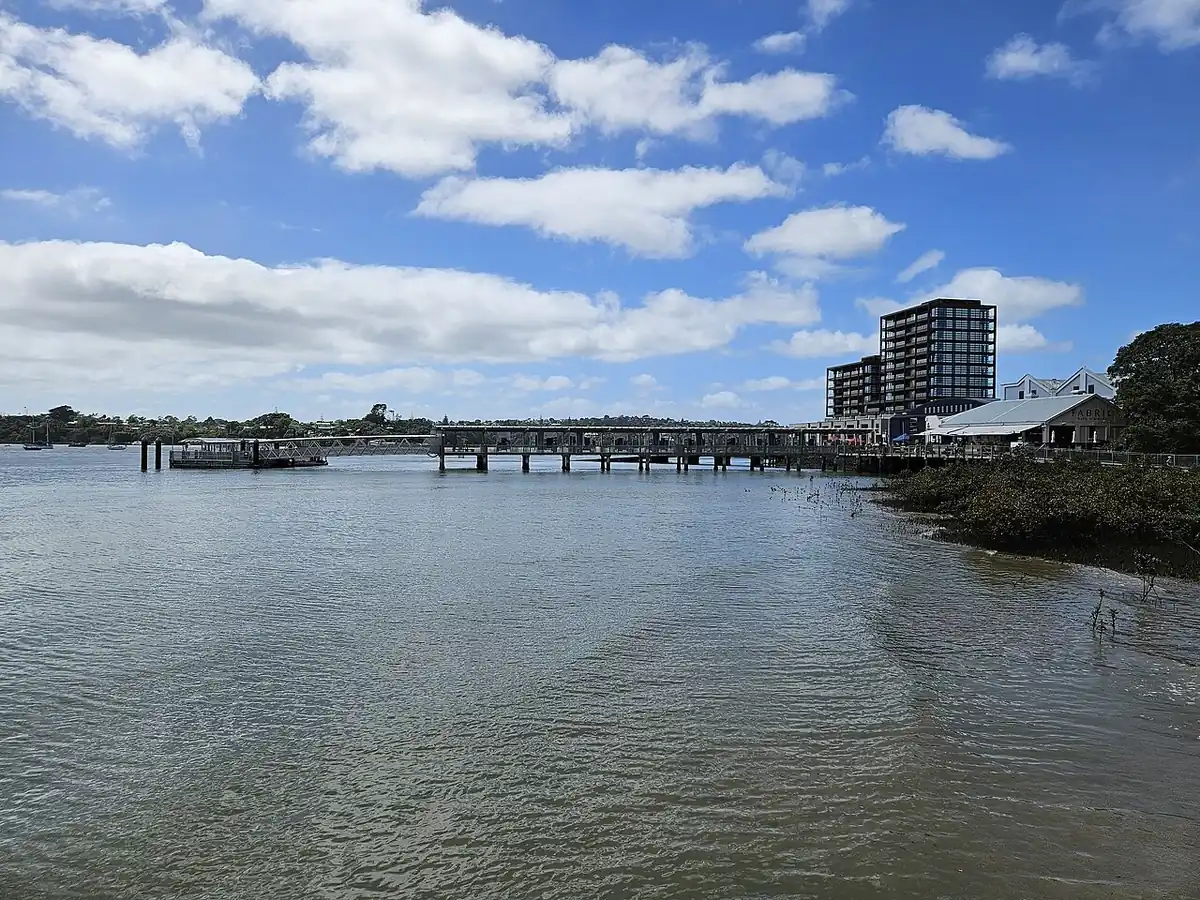
From airbase to suburb
The place was once an air force base on flat harbour-front land. Heritage New Zealand%20Institute%20Building%20(Former)) traces it from a farm purchased in 1925 to a closure announcement in 2000, with most of the ground handed to housing over the following decade and a bit.
The closure of the base opened the land to housing from the mid-2000s.
Source: Heritage New Zealand, RNZAF Institute Building (Former), List entry 9710The result is one of the fastest-growing places on our map. Wikipedia puts the 2023 census at 14,025 residents in 4,977 homes, nearly three times the 2018 base, after planned home numbers at Hobsonville Point were lifted from 3,000 to 4,500. See the new-build estates page for what this kind of growth does to pest risk.
Rats beside the wetlands
A volunteer network, Habitat Hobsonville, sets traps for rats, stoats and possums around two wetland and reserve sites at Scott Point, with roughly 200 people on its books and backing from the council, the local board and the residents society.
Scott Point wetland and esplanade trapping is ongoing and community-run.
Source: Volunteering Auckland, Habitat Hobsonville, 26 November 2024Map layers published by Auckland Council, accessed 17 November 2026, give a 613 ha boundary with 42 ha of flood plain, 17 ha of ecological overlay and 4.8 km of stream. Our reading is that the rat route here is the harbour edge and the wetland reserves, not creek corridors. See rats and mice in Hobsonville for the detail.
Apartments and terraces
The NZ Herald reported in June 2016 that the Hobsonville Land Company said planned dwellings had doubled from about 2,500 to about 5,000, with half of the new estate terraced houses, apartments 15 to 20 percent and standalone houses the balance. That is a planning-era figure, not a census count, and it may have changed since. If the share held, it implies several hundred to a thousand apartments.
Planned dwellings at Hobsonville Point doubled to about 5,000, with half terraced and apartments 15 to 20 percent.
Source: NZ Herald, 21 June 2016Professional Pest Manager says German cockroaches in apartments need a whole-of-building approach, because they move between units and the likely route is shared plumbing. That is the logic behind our page on cockroaches in Hobsonville, and the German cockroach page covers the species.
Ants in new houses
We hold only an inference for ants: new houses on fresh ground have gaps around services and shared walls, and ants find them. DOC says Argentine ants are known in many parts of Auckland, are 2 to 3 mm and honey-brown, travel in trails five or more ants wide, and in spring and summer have an insatiable appetite for protein and sweet foods. Whether they are common in Hobsonville, we cannot say. The ant hub explains baiting and the article on Argentine ant trails and spring surges describes what to look for.
What a visit here involves
Newer houses and apartments are inspected differently from villas. In a townhouse or apartment the technician looks at where services enter, shared walls, bin stores and kitchens, and for cockroaches asks whether neighbours are affected, because treatment in a shared building is planned as a whole. In a standalone home near the wetlands, the focus is the garden boundary and any gaps under cladding or around the garage. Ask your body corporate or landlord about a building-wide plan before booking, and keep a note of dates and places where you see activity. The written quote sets out the work and a follow-up visit where one is needed.
What the sources say about price
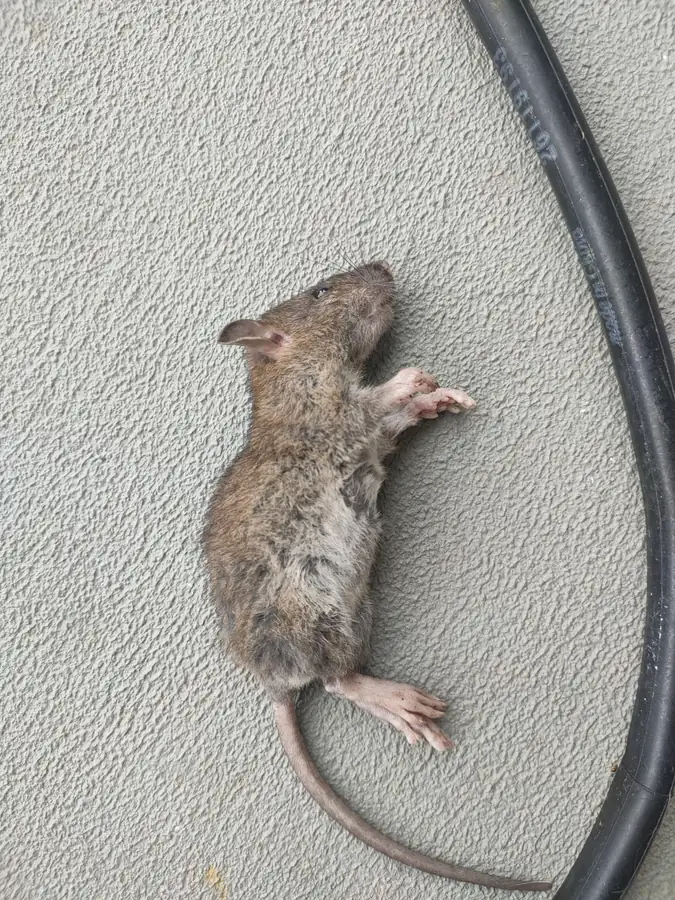
Rats or mice about $199 to $300 and cockroaches about $199 to $400 for a standard home, with apartments quoted differently. Ants are about $180 to $350. Read on 17 November 2026. See the price page on ants and cockroaches.
Next door
West Harbour, Whenuapai and Westgate are the nearest suburbs. Coastal margins are covered in harbour and creek edge, and the home page lists everything else.
Book
Ring 09 872 7624. An assistant records the address and what you have seen, and a specialist rings back. The callback form is the online way.
Sources for this page
Where a source describes the place rather than pests, the pest relevance is our own reading.