Harbour and creek-edge homes
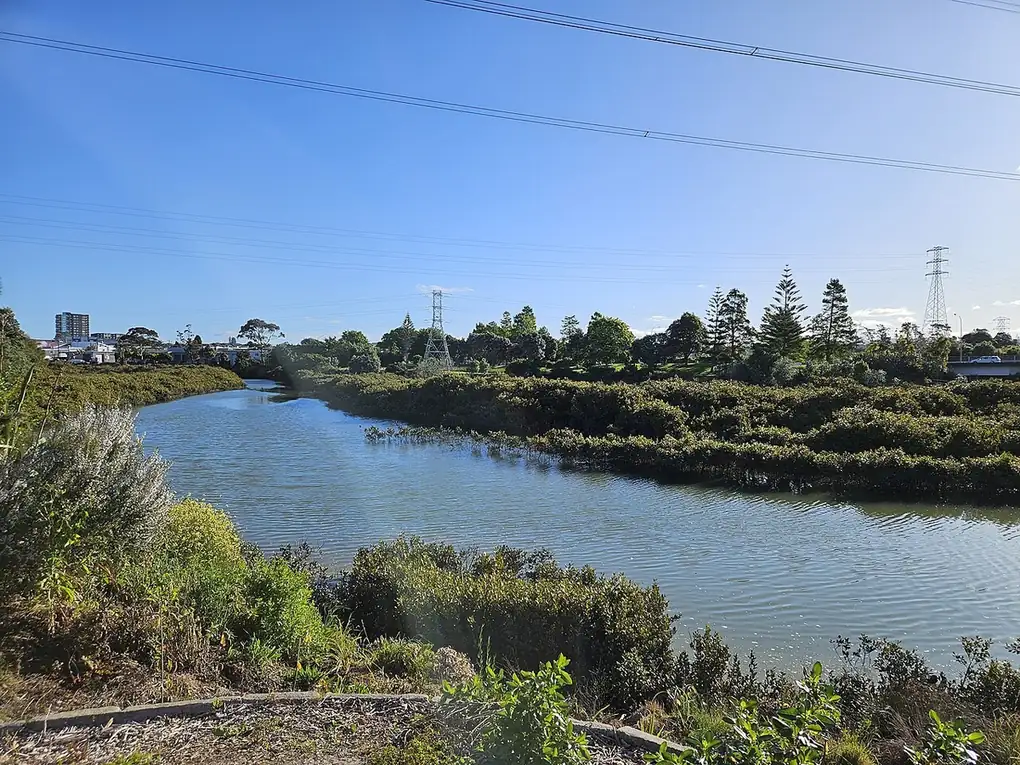
Rat routes, damp ground and flies beside tidal water.
Rats: the evidence by place
- Te Atatū. Auckland Council's plan for Harbourview-Orangihina Park, 85 ha beside houses, records 322 rats, 262 mice, four hedgehogs and six possums caught on 66 traps up to October 2021. See rats and mice in Te Atatū.
- Hobsonville. Habitat Hobsonville traps rats, stoats and possums at Sunderland East Wetland and Nimrod Esplanade Reserve. See Hobsonville rats.
- Blockhouse Bay. The Whau River Catchment Trust reports 60 rats and 25 possums for July 2023 to June 2024, across the whole catchment. See Blockhouse Bay rats.
- Henderson. The Birdsong Opānuku Trust traps rats at Sharp Bush in Henderson Valley. See Henderson rats.
- Green Bay. Rats and a possum were caught on a Waima trap line checked by Green Bay High students, in Waima and not in Green Bay. See Green Bay rats.
- West Harbour. We found no pest record, only reserves, a stream bush corridor and a marina with about 600 boats, so the suburb is covered on its own page.
An overnight survey with inked tracking cards found rats on 60% of cards, published 9 October 2016.
Source: Predator Free NZ, Harbourview wetlands storyThe Te Atatū survey is old, and a 60% card hit rate does not tell you what a given back garden has today. It shows the edge of the peninsula carried a high density. The ship and Norway rats explainer helps you work out which you have.
Borer on the peninsula
Wikipedia says the Ramlea Park Estate went up in the early 1950s and low and medium-income housing followed in the 1960s and 1970s. Timber houses of that age raise a reasonable question about borer, and we found no sourced finding for Te Atatū, so we treat it as an inspection prompt and not a fact. The inspection page explains what is checked.
Damp ground and flood margins
The council's open data shows how wet the edges are. Measured on 17 November 2026: Henderson has 273 ha of flood plain and 37.1 km of stream, Sunnyvale has 27 ha of flood plain, Blockhouse Bay has 32 ha and 10.8 km, West Harbour has 19 ha and 6.4 km, and Hobsonville has 42 ha. After the January 2023 floods, rats were reported moving from the Waiomoko Stream into houses in Rānui, as described on the Rānui page, and the council said rats may have been displaced rather than increased.
Flies
We found no suburb-level fly record, so we make no suburb claim. What we can say is that bins, compost and pet waste are the usual causes near any wet edge, and the article on house flies, blowflies, bins and compost explains the species. The fly hub covers control, and flies have no published price we could verify.
Wasps along wetlands
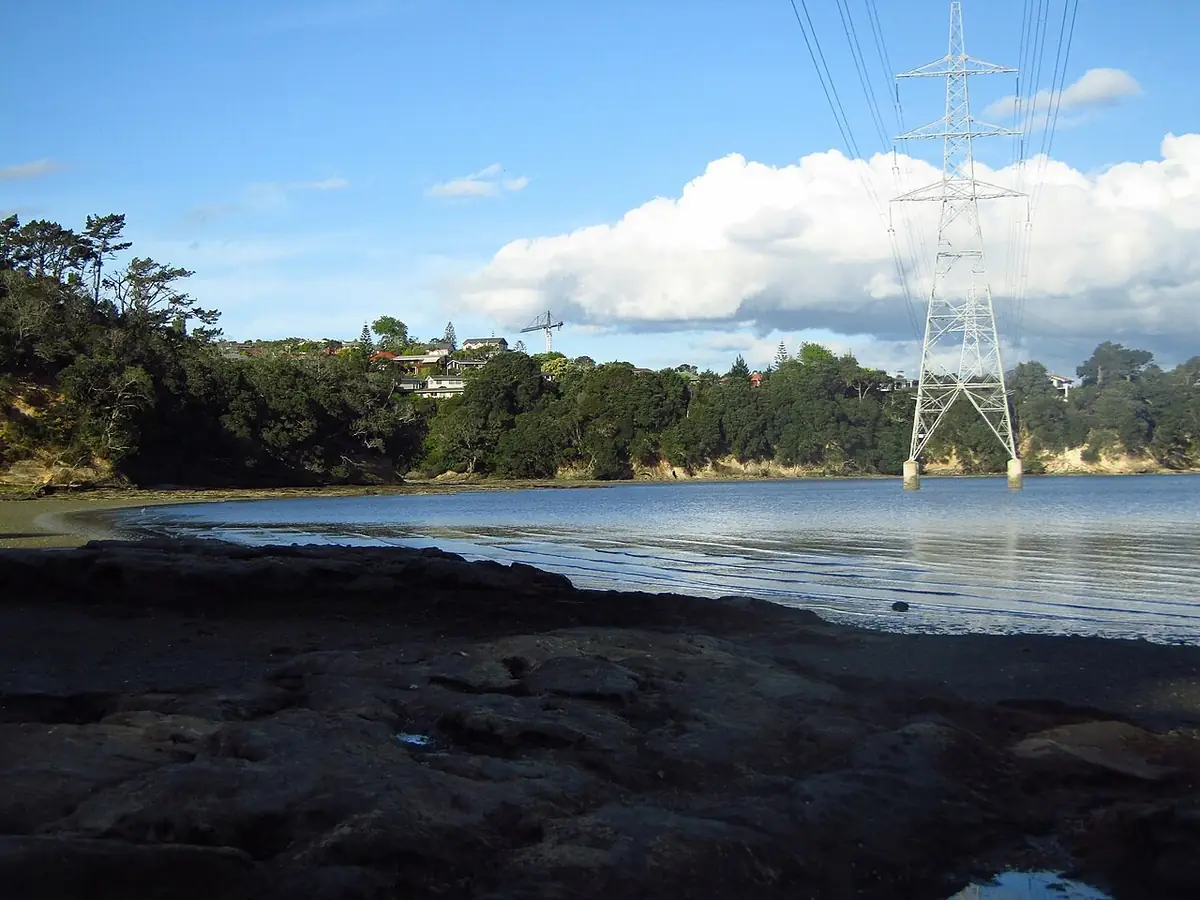
The Harbourview plan says introduced wasps have no natural predators in New Zealand, paper wasps can reach high densities in wetland areas and mild winters favour more wasps. It is park ecology, not a count, and we cite it so that a paper wasp nest under a waterside eave is not a surprise. See German and Asian paper wasps in the west.
What to do
Keep compost and bird food off the ground, check where pipes enter the house, trim greenery from walls and look at drains and sheds. A treatment is worthwhile when signs reach the house itself.
Cost
About $199 to $300 for a standard rat or mouse treatment, read on 17 November 2026. The price guide lists the sources.
Where this is common
Te Atatū, West Harbour, Hobsonville, Green Bay, Blockhouse Bay and Henderson. The main page lists every pest.
Call
Ring 09 872 7624 or use the callback form. An assistant takes the details and a specialist rings back.