House flies, blowflies, bins and compost
Where flies breed around a West Auckland section and the changes that cut numbers before any treatment.
Published
In this note
Walk a lap of your section with one question: where is something rotting, wet or dead? That route usually finds the fly source faster than any spray will. Flies are the pest where tidying up and a lid that fits beat most products.
This note goes through where flies breed, how to tell which kind you have and what to change first. For the service page, including what a technician does, see flies in West Auckland.
Three kinds, three sources
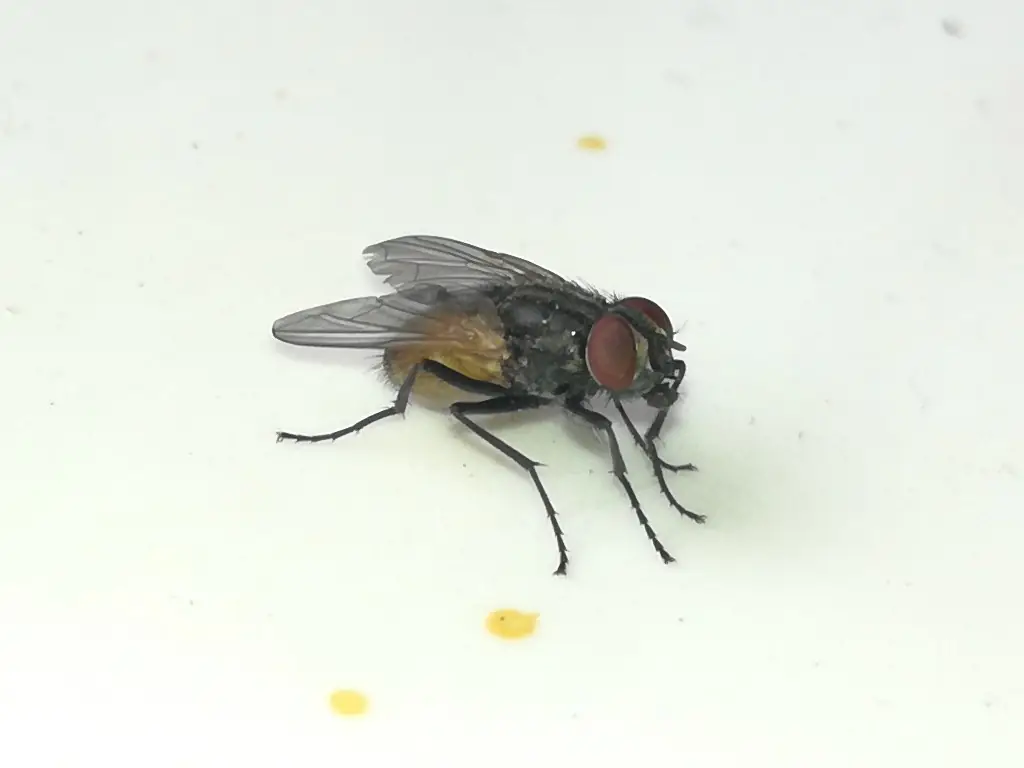
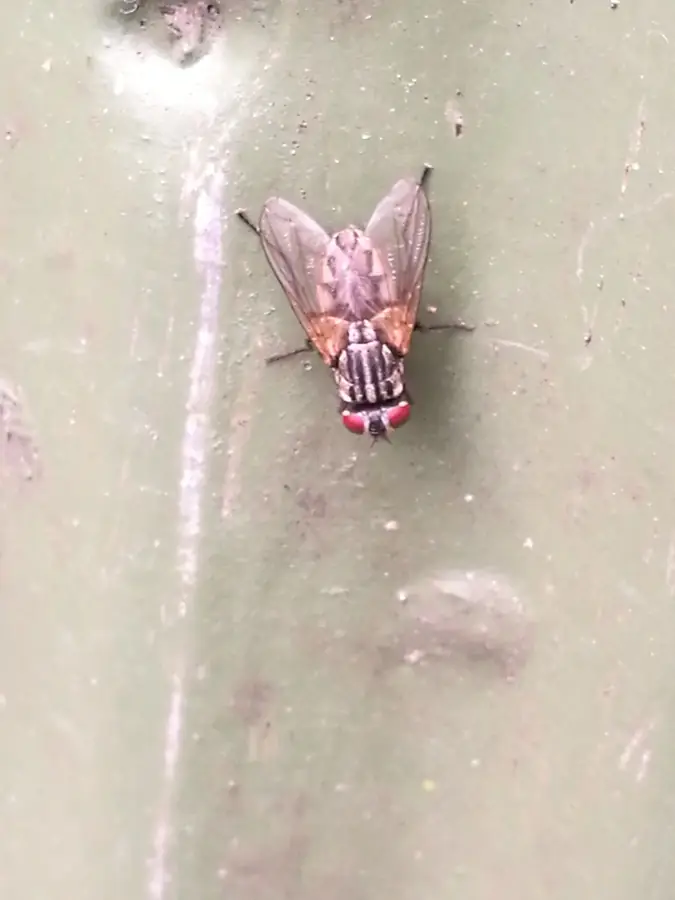
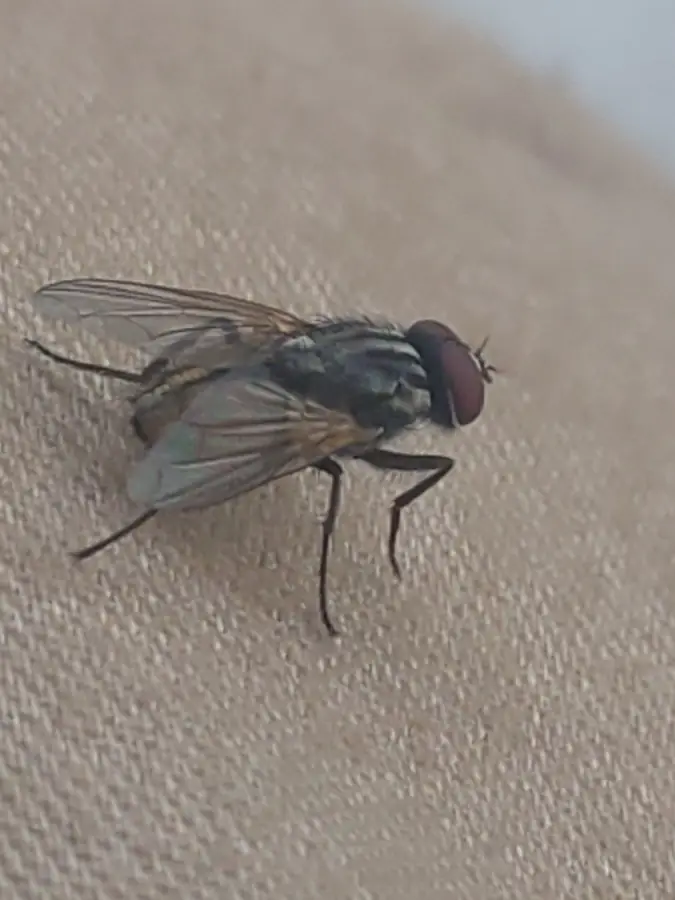
House flies are grey, medium-sized and slow to settle. They breed in decaying food waste, animal droppings and wet, rotting plant matter. Eggs are laid in the material and hatch into maggots in a day or two when it is warm. The cycle from egg to adult can be about a week or two in summer, which is why a heap that was fine at Christmas can produce thousands by mid-January.
Blowflies are bigger and shiny blue or green. They are drawn to meat, fish scraps, pet waste and, importantly, dead animals. A sudden crop of large flies indoors, especially in one room and with a smell, may mean a dead possum, rat or bird in a wall, ceiling or subfloor.
Small flies, such as fruit flies and drain flies, come from ripe fruit, sour residue in bins and the slime inside drains and sink overflows.
The bin check
Bins are the most common source. Check each one:
- Does the lid close? A gap the width of a finger is enough.
- Is there liquid in the bottom? Leaks from bags give flies a breeding medium.
- Does it smell sour? If so, wash it out with hot water and detergent, and leave it upside down in the sun.
- Is there a nappy, meat tray or pet waste in an open bin?
Council collection days matter. If a bin sits full in the heat for a week, expect flies. Double-bag meat and fish waste, and freeze scraps if you can until collection.
Compost and worm farms
A good compost heap is warm, balanced and covered. A bad one is wet, packed with kitchen scraps and uncovered, and it will breed flies. Bury fresh scraps in the centre, add dry carbon material such as leaves, shredded paper or sawdust, and keep a lid or layer of dry cover on top. A bokashi bucket needs a sealed lid and regular draining.
Pet waste is a different matter: it belongs in a bag in the rubbish, not on the compost heap, and dog droppings left on the lawn are a fly nursery in summer. Chicken runs and animal pens need regular cleaning, and manure heaps should be covered or turned.
Rural and lifestyle sections
We have no local fly numbers for any West Auckland suburb, and we don't claim any. What we can say is that much of the northwest of the region is rural or lifestyle land. The Unitary Plan notes the Mixed Rural zone often has a history of horticulture, viticulture, intensive farming and equine activities, and that the Countryside Living zone has low-density rural lifestyle dwellings and farmlets. The same plan chapter is available on Auckland Council's site.
Our reading is that properties with animals, feed and manure give flies more places to breed than a tidy urban section, but that is an inference from land use. If you are on a lifestyle block, the orchard and vineyard country page describes the setting, and the suburb pages for Huapai and Helensville cover their land.
When flies point to something dead
If you see lots of large flies at one window, or find maggots in a room, think about a carcass. Rats and possums die in roof spaces and wall cavities, usually after poison or in a place they cannot get out of. The smell is strong and sweet. You may also see a stain on the ceiling.
Finding the body is the job. A technician can look in the roof void and subfloor, and removal and cleaning are needed before the flies stop. The roof-space rat page explains how that works. Please do not rely on spraying the flies, because more arrive as long as the source remains.
Doors, windows and the kitchen
Once the breeding sources are dealt with, keep the remaining flies out:
- Repair insect screens and fit them to the windows you open most.
- Close doors during the middle of the day when flies are active.
- Cover food, wash dishes promptly and wipe benches.
- Clean pet bowls and take them up between meals.
- Pour boiling water or a drain cleaner suited to the pipe material into drains that have a slime layer, following the product label.
A fly strip or a sealed trap in the worst room catches those that get in, but it does not fix the source.
What a technician can add
If you have done the clean-up and flies persist, a technician can find breeding sites you missed, apply a residual treatment on surfaces where flies rest, such as sunny walls and eaves, and advise on a longer-term plan. Treatments are applied to label directions, and our safety and products page explains how we handle them around food, pets and washing lines.
What it costs
We checked prices on 17 November 2026 and found no fly-control figure in any source we looked at, so we cannot publish a range. The specialist quotes after a look, because a household with an overflowing bin and a rural property with several breeding sites are not the same job. The fleas and flies price guide says where we have no verified figure.
Ask about flies
Phone 09 872 7624, where an assistant takes your details for a specialist callback, or book a callback. Tell us where the flies collect and whether there is a smell. For the other pests we arrange, start at pest control across West Auckland.
Call 09 872 7624, or book a callback and a specialist will ring you.
Call now Book a callback