Pest control in Piha and Karekare
Community wasp baiting and rat trapping on the west coast.
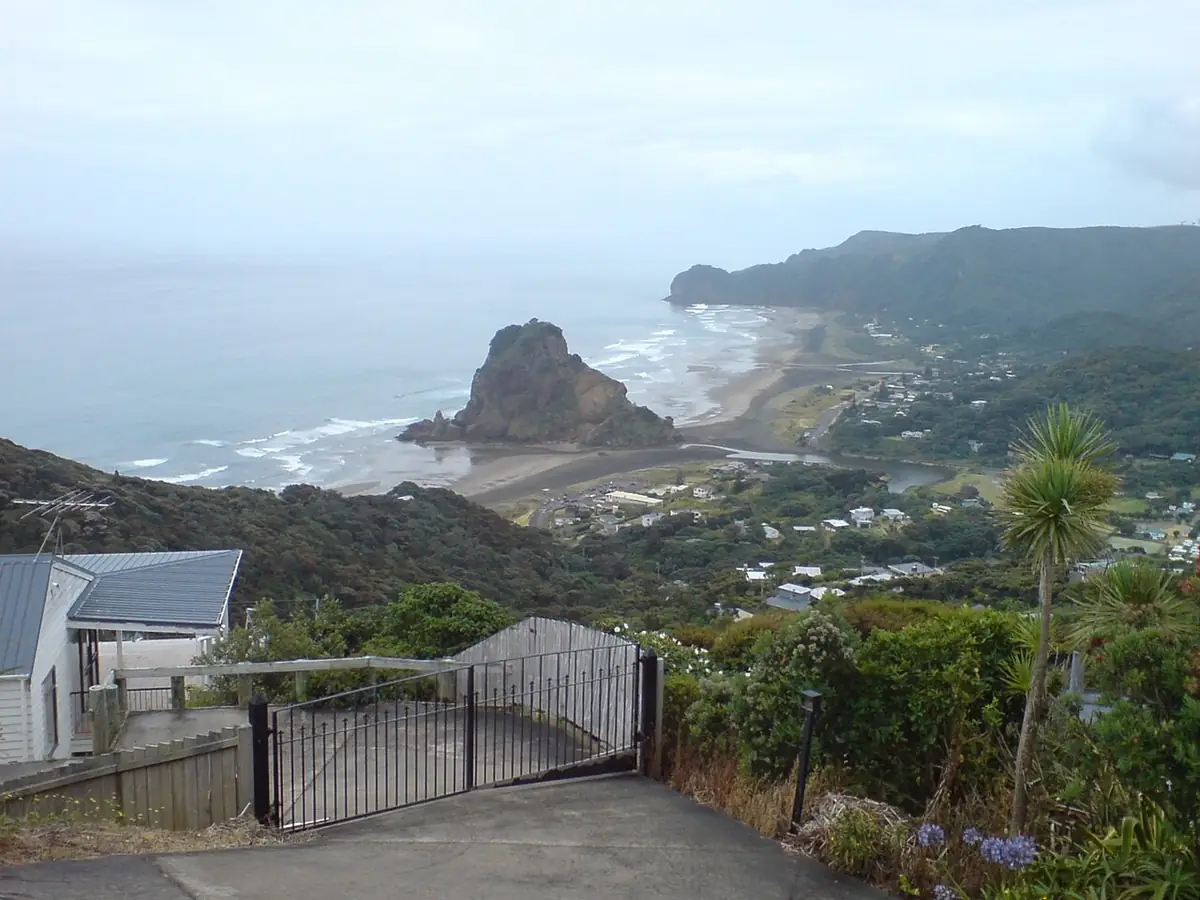
A place that baits wasps by the village
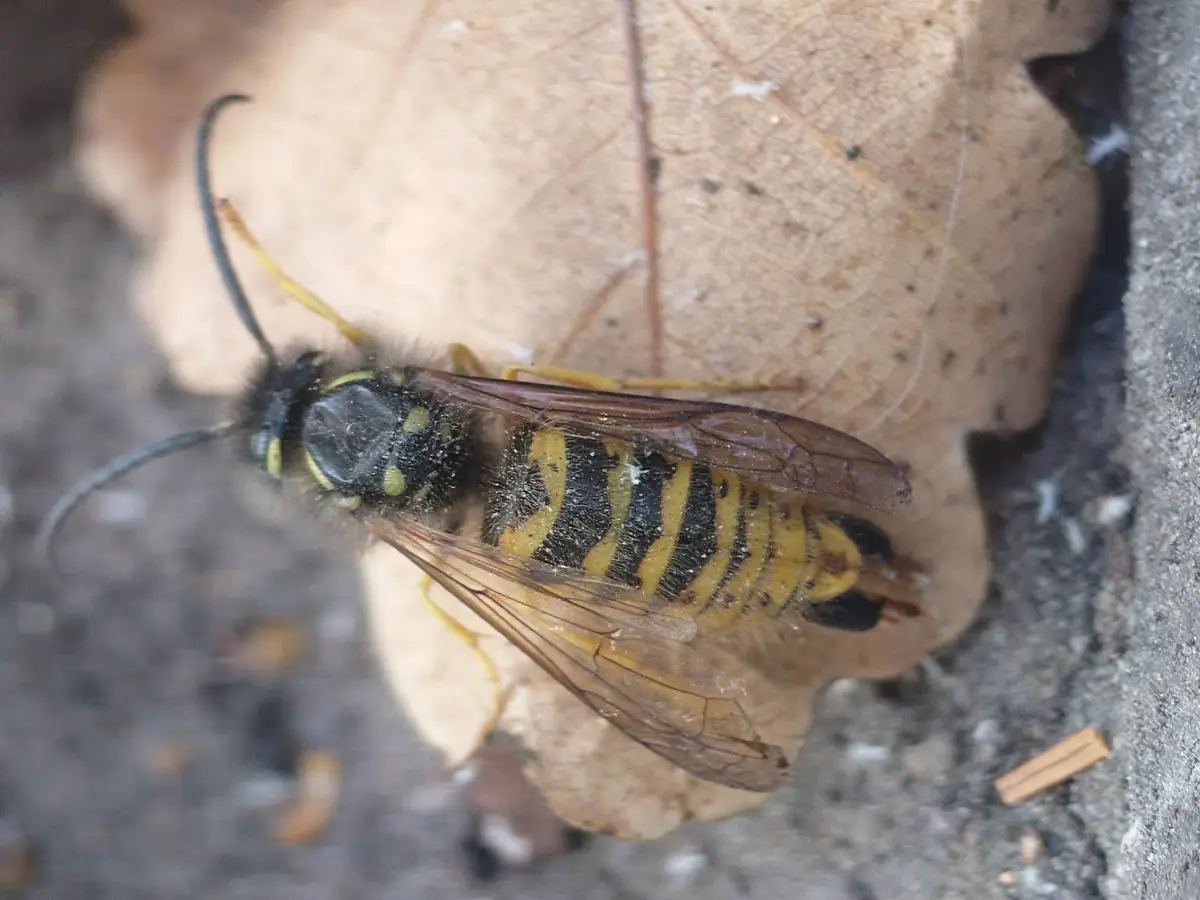
The strongest number on this page is a community one. A Pest Free Piha update from January 2021 describes a pilot in one road that cut wasps by an estimated 70%, using protein bait put out between late February and mid-March against German and common wasps only, with the target set at 85% and more than 100 residents responding.
The pilot's bait goes out in the late-summer window, from late February.
Source: Pest Free Piha, wasp control update, January 2021By December 2025 the programme had grown to 476 bait stations across the village, so wasp bait here is infrastructure and not a one-off. If you live in Piha and have a nest in the roof or a bank, say so on the call. Outdoor bait stations do not remove a nest already inside a house. The page on wasps in Piha and Karekare takes this further and the nest removal page shows the visit.
Rats, possums and the coast
The Trusts article from December 2025 adds that traps for rodents and possums line the baiting routes, that three possums have been caught at Lion Rock, and that the work protects grey-faced petrels on Taitomo Island. The group has been active since 2018. It once aimed to rid Piha of predators by 2025, a date now passed, and we do not know the current status.
Trapping on the baiting routes is part of the programme alongside wasp bait.
Source: The Trusts, Pest Free Piha article, 17 December 2025Karekare has a separate group, Karekare Landcare, whose directory listing carries trapping, baiting and wasp tags without counts. The wasp detail for both places comes from Pest Free Piha. See rats and mice in Piha and Karekare for what that means inside a house.
How much of this is bush
Few places on our map are as bush-clad. In the council layers read on 17 November 2026, nearly 2,500 ha of Piha and some 1,660 ha of Karekare fall inside Significant Ecological Areas. Wikipedia gives Piha about a thousand residents in roughly 400 homes, and notes holidaymakers arriving by coach from around 1900 to stay in guest houses.
Baches and borer: our reading only
A coastal settlement of older timber houses inside forest and salt air raises a borer question, but we found no source on it, so we have not made a page for it. Consumer NZ says common house borer likes moist untreated timber and often turns up on the south side of buildings, where damp lingers. If you own an older bach, an inspection is the way to find out. The bush-edge homes guide folds this in, and the inspection page shows what is checked.
Being far away
Piha and Karekare are at the far edge of the area, over the Scenic Drive. Travel affects how soon a visit can be booked and sometimes the quote, which is why we ask for the full address at the start. If the road is closed or a walking track is shut, tell the assistant. Large parts of the Ranges have been closed since 2018 because of kauri dieback, and care with footwear and soil near bush matters.
Cost, with a caveat
Wasp nests above ground are about $100 to $250 and rats about $199 to $300 for a standard house. Remote travel is not priced into those figures. They date from 17 November 2026, and the wasp price guide lists the sources.
Closest neighbours
Titirangi and Swanson are the nearest mapped suburbs by our schematic. Our overview of the whole region shows where everything sits, and the western hub page links each suburb.
Contact
Phone 09 872 7624 or use the callback form. An assistant answers, and a specialist rings you back.
Sources for this page
Where a source describes the place rather than pests, the pest relevance is our own reading.