Spiders in West Auckland
Spiders in West Auckland homes: how to recognise the problem, what a treatment involves and what the work tends to cost.
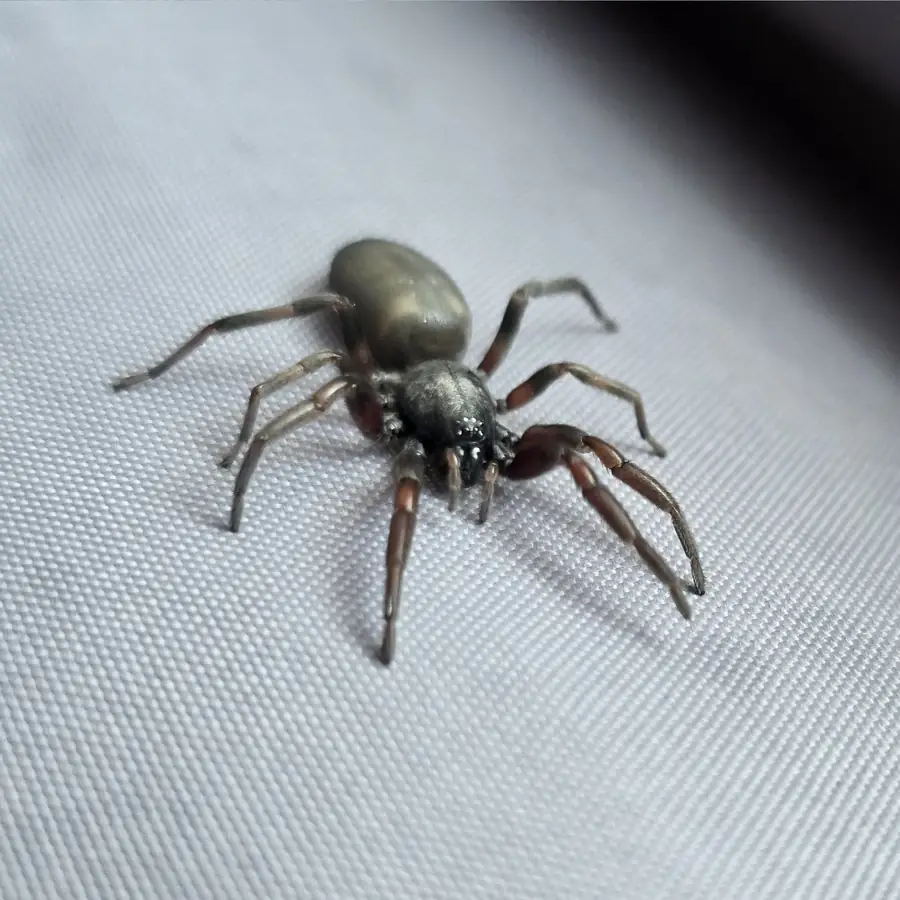
West Auckland is where the Avondale spider got its name. That is a useful place to start, because most of what homeowners call a spider problem is large, harmless or just tidy-up work, and a smaller part needs a technician.
This page helps you work out which is which, and what we arrange for the second kind. For our other services, the main page on the main page on pest control in the west lists them.
The Avondale spider and why the name matters
Te Papa describes the Avondale spider as an Australian immigrant that takes its name from the suburb where it first became established. It is a huntsman, pale fawn or grey, nocturnal, and by day hides under loose bark. It does not use a web to catch prey, and Te Papa calls it rather docile, with little inclination to bite anything other than suitably sized prey.
The Avondale spider is an Australian immigrant named for the Auckland suburb where it first became established. It is a nocturnal huntsman that hides under loose bark by day, does not use a web to catch prey and is rather docile.
Source: Te PapaSo a hand-sized spider on the bedroom wall in Avondale is often a huntsman, and it is usually best left to wander off or be gently carried outside in a cup. Our Avondale spider page has the local story, and the field note on white-tails, huntsmen and the Avondale spider compares the species people actually find.
When spiders do need treating
A technician is worth booking when:
- webs keep coming back within days on the outside walls, soffits and window frames;
- a species you are worried about has been identified, such as a redback;
- the house has so many egg sacs and webs that cleaning does not keep up;
- you are selling, renting out or opening for a business, and want the exterior cleared.
Even then, we say plainly that spraying is a management tool, not a permanent fix. Spiders come back from the surrounding gardens and bush, particularly on west-side sections that back onto reserves and bush edges. Our bush-edge homes page describes that setting.
Why webs gather where they do
Lights attract flying insects, and spiders follow the insects. Eaves, porch lights, letterboxes and garden furniture hold webs for that reason. The webs, eaves and outdoor lights note explains how switching bulbs or reducing light spill cuts activity without any spraying.
Inside, spiders follow prey: flies, moths, silverfish. Cutting those down helps more than chasing spiders. If you have a persistent fly or ant issue, the ants and flies pages may be where the real fix lies.
A visit and what it includes
Call back.
An assistant takes your details, and a specialist asks what you have seen and where.
Identification.
If you can send or show a spider, or a photo, the specialist can usually tell whether it is a pest or a passer-by.
Technician visit.
Eaves, window frames, decks, garages and subfloor entry points get checked.
Written quote.
Scope and price are agreed in writing before any treatment.
Treatment.
A web knock-down and a residual spray on the exterior, with indoor treatment only where it is justified. Products are applied to the label.
Safety information is on safety and products, including how we handle pets and fish tanks.
Helping the treatment work
Sweep down webs before the visit so a technician can see what returns. Reduce stacked boxes, firewood against the wall and long vegetation touching the house. Use warm-white or yellow outdoor bulbs rather than bright white ones, and turn off lights you do not need. Fill gaps around door frames and meter boxes.
Bites and safety
White-tail spiders are common in Auckland homes and get blamed for skin ulcers, but the evidence does not support that, and most bites are minor. If you have a bite that looks worse over a day or two, or you feel unwell, see a doctor or call Healthline and bring the spider if you can. Katipo, the native redback relative, is a coastal dune spider and is not a typical house spider; if you suspect one at Piha or Karekare, see our Piha and Karekare page for who to speak to. This is general information, not medical advice.
Cost
Figures below are indicative, were checked on 17 November 2026 and are not West Auckland specific. Professional Pest Manager gives $150 to $300 for a standard exterior spider treatment and $200 to $400 for interior plus exterior, with $300 to $600 or more for large homes or commercial properties. One Auckland operator lists spider treatment from $220. Our working range for a standard house is $150 to $400. We have no verified price for web removal alone or for spider-proofing, so the specialist quotes those after a look.
The price guide for roaches, ants and spiders lists each source.
Will spraying get rid of spiders for good?
No. It cuts numbers and prevents webs for a period, but spiders move in from surrounding gardens. Reducing lights and prey helps keep them down.
Are huntsmen dangerous?
Huntsmen are large, quick and startling, but they rarely bite people. Te Papa describes the Avondale huntsman as rather docile.
Do I need to treat inside the house?
Usually not for a general spider problem. A technician will suggest indoor work if there is a good reason.
Call about spiders
Phone 09 872 7624, where an assistant takes your details for a specialist callback, or book a callback. Mention the suburb and, if you have one, a photo of the spider. The how we work page describes the rest.