Borer in West Auckland
Borer in West Auckland homes: how to recognise the problem, what a treatment involves and what the work tends to cost.
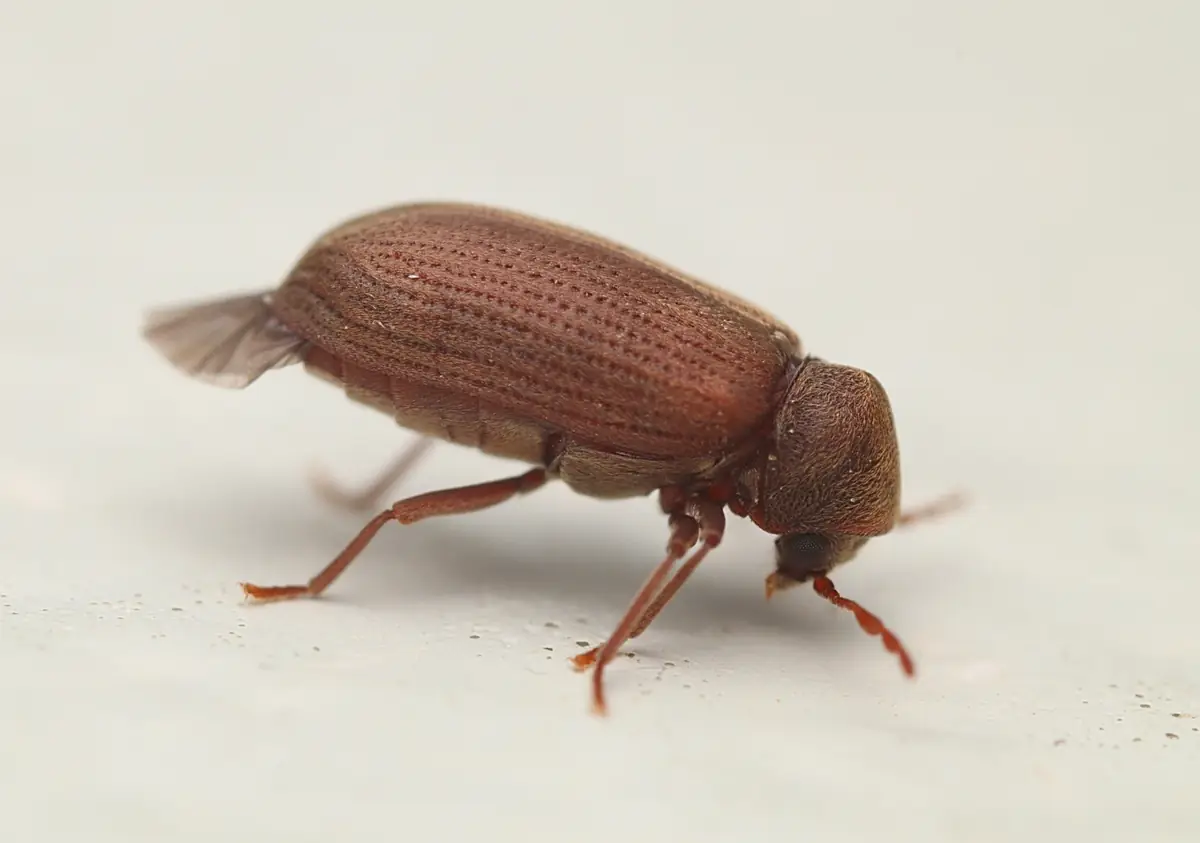
Most West Auckland houses over about fifty years old have a few borer holes somewhere. The question is whether the timber is still being eaten, and whether it matters structurally. This page helps you work out which, and what a visit involves.
If you are buying rather than living in the house, jump to the note on pre-purchase borer checks.
What borer is, in plain terms
Borer are small beetles whose larvae tunnel through timber. The adults leave round flight holes when they emerge. Consumer NZ says the most common of up to seven species is the common house borer, which likes moist, untreated timber and is often found on the south side of buildings or in floor timbers, because those areas are prone to damp.
Consumer NZ reports adult borer fly for about a month between November and March, larvae can feed for up to four years, and two-tooth borer, which can last up to 11 years in wood, are more common in bush-clad areas.
Source: Consumer NZSo the clock matters. A larva in a floor joist is working quietly for years before any hole appears.
Why the west has plenty of it
Three things line up. There are lots of older timber houses, wet winters and shaded bush edges. Glen Eden grew in the 1950s and 1960s with mostly wooden homes, plus some 1930s houses and weatherboards, according to Wikipedia. Titirangi's houses were in some cases raised on poles so they could be built among trees. Helensville has scores of old kauri cottages and villas near the town centre, says the community history site.
Our reading is that the combination of old floors, damp subfloors and shaded ground makes the older streets of Glen Eden, Avondale, New Lynn and Henderson likelier places to find active borer than the new estates around Hobsonville. New timber is usually treated, which gives it a head start.
Rain matters too. The long-term mean rainfall on the West Coast reporting area is 1302 mm, with 1416 mm recorded in 2017, according to Auckland Council. Foothill sections can be wetter again, though we have no local figure for them. Timber that stays damp is easier for borer to work, which is covered in the note on borer, damp and heavy rainfall.
Signs that suggest borer is active
- Clean round holes about the size of a pinhead to a couple of millimetres across.
- Fine, pale, gritty powder (frass) in or under the holes. Fresh powder is the key sign.
- Powder that reappears after you have wiped it away.
- Timber that sounds hollow when tapped, or crumbles at a joist end when probed.
- Holes concentrated in the damp parts: south wall, bathroom floors, laundry, subfloor edges.
Old holes look dark and dusty with no powder. They are history rather than trouble. The article on borer holes in villa subfloors shows how to read what you find.
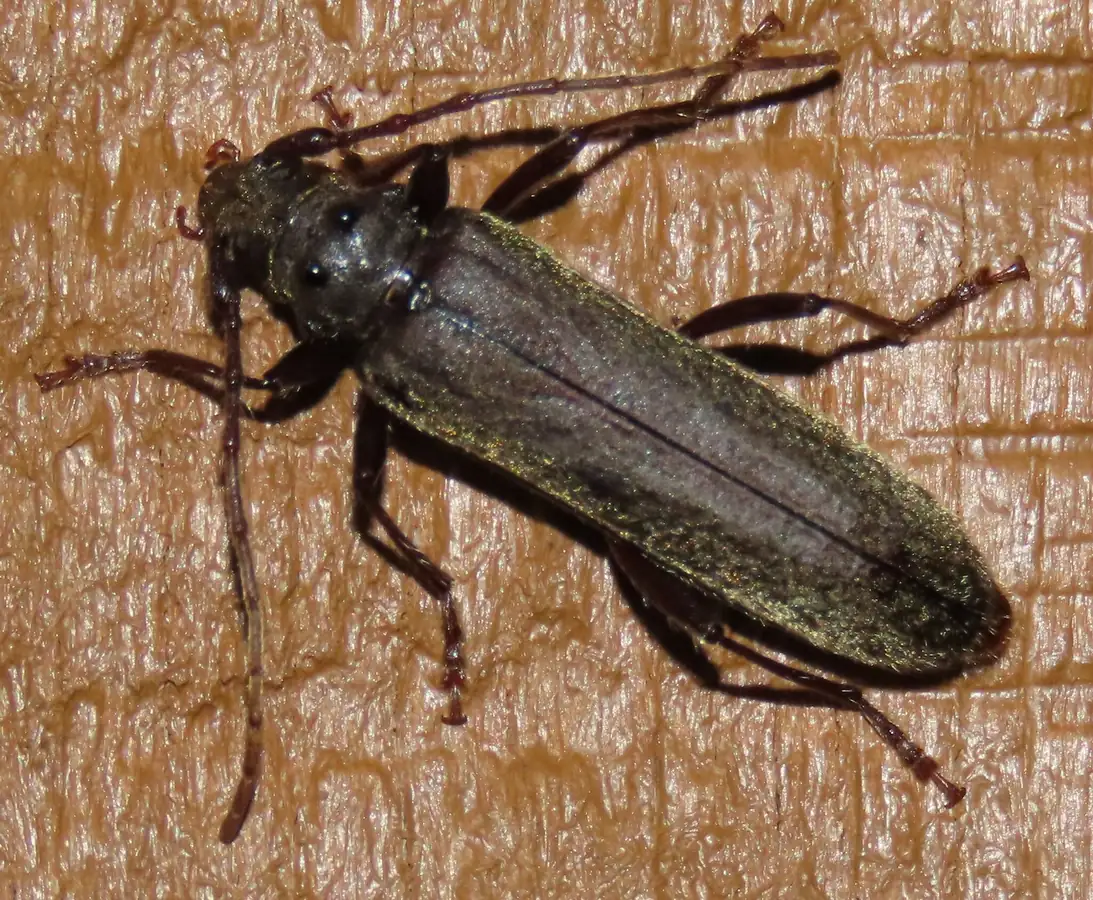
What a technician does
A visit starts with an inspection. The technician looks at the subfloor, roof space and any areas you have flagged, checks timber condition and moisture, and assesses whether borer is active, past or both. If treatment is needed, they quote it in writing. The detail is on the borer inspection page.
Treatment usually means a surface application of an approved timber preservative to accessible bare timber. Boron-type products are one common option, applied with a sprayer. Whatever is used is applied under the Hazardous Substances and New Organisms Act and to label directions; our safety and products page spells that out.
For the part of the house under the floor, see subfloor treatment.
Treatment is not a repair. Borer treatment stops further damage. It does not restore timber that is already gutted. A builder decides what needs replacing.
Cost
Prices here are estimates from public sources, checked 17 November 2026. They are not specific to West Auckland.
- Only one operator-published figure turned up: borer treatment from $199. That is a starting point, not a typical job price.
- We found no verified price for a borer-only inspection or for subfloor work.
Borer is quoted after an inspection, by the size of the property and the amount of timber involved. The borer price guide explains what pushes a quote up and why a published figure alone is not much use.
Where it comes up locally
The bush-clad suburbs have a particular pattern. Council open data show Titirangi has 737 ha in Significant Ecological Areas, Laingholm 324 ha and Piha 2,490 ha, which is bush-clad country where Consumer NZ says two-tooth borer are more common. Read the local notes for Titirangi, Laingholm, Glen Eden and Helensville.
The bush-edge homes page covers the housing side.
How do I know whether borer is still active?
Look for fresh, pale powder under clean holes, and check again after a week. Dark, dusty holes with no powder are usually old. A technician can confirm by probing timber and tapping.
Does borer mean the house is unsafe?
Not necessarily. Many houses carry old borer in non-structural timber. Structural members such as joists and bearers matter more, and a builder decides on replacement.
Can I treat borer myself?
Surface products exist for small areas, used to label. Subfloors are cramped and the work depends on getting to every face of the timber. Larger jobs are better done by a specialist.
Will treatment smell or keep me out of the house?
The technician will say what to expect for the product in use and how long to stay clear of the work area.
Book
Call 09 872 7624 and an assistant takes your details for a specialist callback, or ask for a callback on the website. If you are comparing pests as well, pest control across West Auckland lists everything we arrange, and how we work explains the process.