Pest control in Huapai
Former fruit plots, flood-plain edges and leftover trees.
Thirty per cent flood plain
Nearly a third of this small suburb is low, wet ground. In the council's flood-plain layer, read on 17 November 2026, about 76 ha of Huapai's 252 ha sits on mapped flood plain, with a smaller ecological overlay and a little over 7 km of stream running through (all rounded, as the outline is simplified).
RNZ treats Kumeū and Huapai as one flood-prone area, though its story is about Kumeū's centre, so the Huapai link runs through the shared river. Our reading is that standing water drives rodents toward buildings, as happened at Rānui in 2023 (see the Rānui page). The page on rats and mice in Huapai covers that side.
A fruit colony
Land here was sold from 1914 in ten-acre lots pitched as a fruit colony for Auckland, according to Wikipedia. That shapes the layout today: roomier sections than a town subdivision, and on some of them a few surviving fruit trees and outbuildings. How many survive we do not know, so this is an inference.
Fallen fruit feeds wasps, and DOC reckons New Zealand holds some of the densest German and common wasp populations anywhere, with colonies that start around soccer-ball size and can balloon after a survived winter. No wasp record exists for Huapai, so we fold the subject into this page instead of giving it its own. The article on wasp nests in vines and fruit trees covers what to check, and the wasp hub explains nest removal.
Wasps have no natural predators here, and German wasps arrived in the 1940s.
Source: Department of Conservation, waspsIndustry beside homes
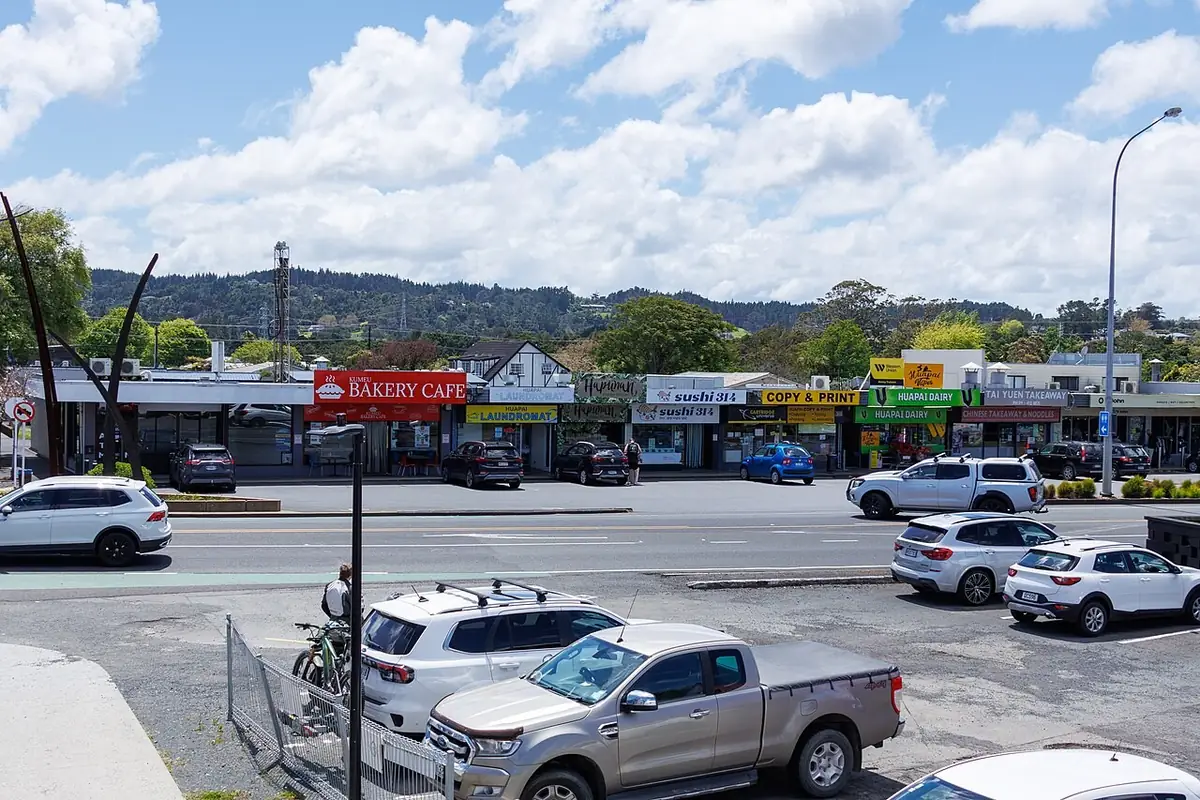
From the 1970s, Wikipedia notes, firms set up in both villages as they grew together into a single built-up area. Food-related and industrial premises create commercial work, which this site does not cover. For a homeowner the point is simpler: the district is not purely rural, and rodents travel between yards and houses.
What Huapai property looks like
Larger sections, sheds, a few trees and a stream somewhere close. A technician's first questions are usually about the sheds and the stored feed or firewood, then the roof, not the kitchen. If you can answer them on the call, the callback is quicker.
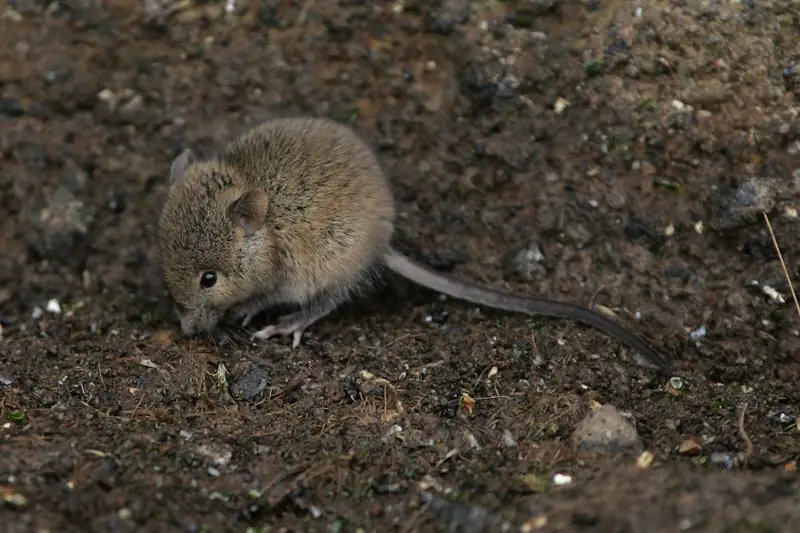
If you also have a spare building used for storage, mention it. Mice love cardboard and bags of seed. The mouse control page shows how a treatment is organised.
Damp subfloors
Repeated flooding leaves damp behind. Consumer NZ says borer like moist untreated timber and are often found in floor timbers because those areas are prone to damp. If you own an older house on low ground, an inspection is worth having. The inspection page explains what is checked.
What a visit here involves
Larger Huapai properties mean a longer inspection. The technician walks the boundary, checks sheds, stored feed and firewood, looks for nests in banks, hedges or fruit trees if wasps are the concern, and checks the roof space and subfloor of the house. After flooding or heavy rain, mention it: damp subfloors need drying out, and Consumer NZ says borer favour moist untreated timber. If the property has animals, tell the assistant so feed storage and the safe placement of bait can be planned. Rural travel can add time to booking, so a clear address and a gate or access note help.
Cost
About $199 to $300 for a standard rat or mouse treatment and $100 to $250 for a wasp nest above ground, more on larger rural properties, from sources dated 17 November 2026. See the price guide for rats and mice.
Neighbours
Kumeū is next door, with Waimauku, Whenuapai and Westgate nearby. Fruit country is grouped on the orchard and vineyard page, and the main page lists every pest.
Book
Phone 09 872 7624, tell the assistant what you have seen and where, and a specialist will ring back. The callback form takes the same details.
Sources for this page
Where a source describes the place rather than pests, the pest relevance is our own reading.