Pest control in Swanson
Fast new housing beside a stream and the Ranges.
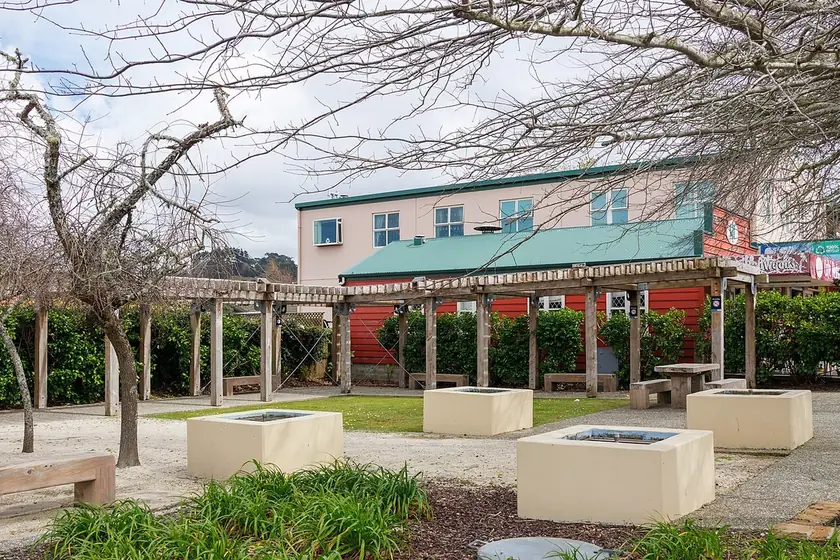
Growth beside a stream
The 2023 census recorded 3,696 residents here in 1,116 homes, a rise of 64.9% on 2018, Wikipedia reports, describing a valley northeast of the Ranges that catches the Swanson Stream.
New homes on freshly cleared land beside bush and a stream is a combination pest controllers watch closely. Earthworks disturb whatever lives in the ground, and new houses arrive with gaps around pipes and cables before the garden has settled. That is our reading, not a sourced finding, but it fits what happens at the other new estates we cover on the new-build estates page.
What the council map shows
Nearly half of Swanson sits under an ecological overlay in the council's layers: about 690 ha of 1,613 ha, read on 17 November 2026, beside roughly 110 ha of flood plain and close to 50 km of stream (rounded). That is a lot of bush and water around a housing area that is still growing.
A group that names rats and stoats
The local alliance listing for Predator Free Swanson and Waitākere Township says the group catches rats, stoats and possums, working by baiting and trapping, with no counts given. The page on rats and mice in Swanson has the rest, including how a household can combine borrowed traps with a professional visit.
The group's own description names rats among the animals it catches.
Source: Pest Free Waitākere Ranges Alliance, Predator Free Swanson and Waitākere TownshipPossums on the creek
An update from Project Twin Streams dated April 2013 describes bait stations and traps along Swanson Stream and Henderson Creek. The first check at Swanson turned up only a handful of possums, later rising to dozens, with several rats caught as well, while Henderson Creek reached 68 possums. It is old, and possums are not a household pest in the way rats are, but it shows the stream acting as a corridor for animals heading from the Ranges toward houses.
Auckland Council's bird-monitoring report concludes that ship rats and other mammalian predators remain in the Ranges. Our reading is that anyone on Swanson's bush side should expect a steady supply of rats at the boundary.
What people actually see
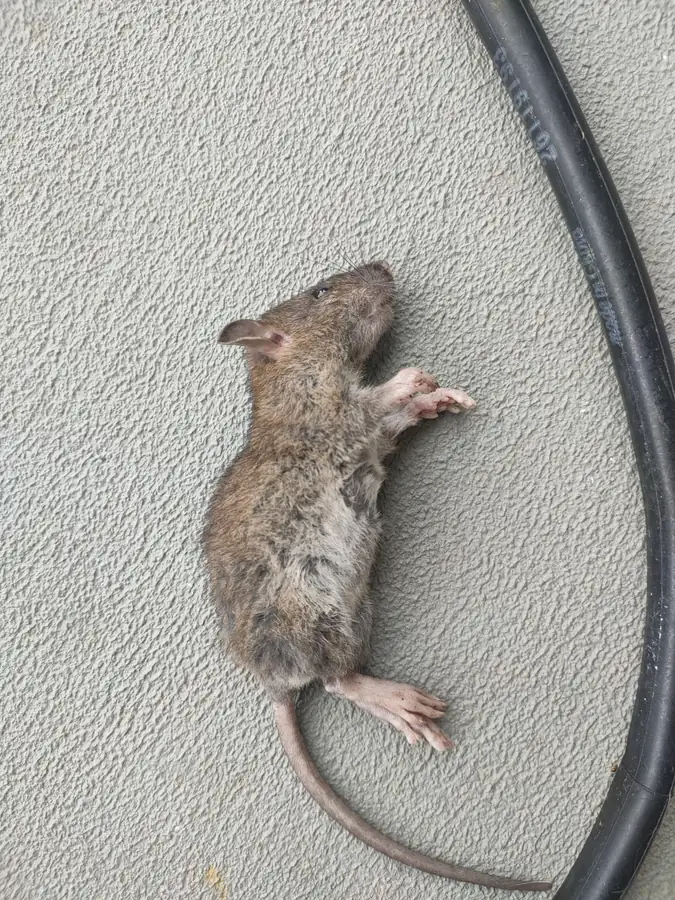
On a new-build, the first sign is often noise in the ceiling or a chewed packet in a garage, not droppings in the kitchen. The signs of rats in the roof article explains how to tell. If you can hear running at dusk, see grease marks along beams or find a nest of shredded insulation, a treatment and proofing visit is usually the right step.
Mice are another story
Newer houses with slab floors and tight envelopes still get mice. The five-day mouse rule is a handy way to judge whether you have a few visitors or a settled population.
What a visit here involves
On a newer Swanson house, the technician checks the places builders rarely seal: around waste pipes, under the garage door seal, vents, and where cables enter the roof space. On bush-edge sections, overhanging branches and neighbouring unfinished sites are noted. Bring along any records of where you have seen or heard activity and when. If you also borrow a trap from the local group, tell the technician where it is set so baiting and trapping are not at odds. A written quote follows the inspection, and rodent jobs usually include a check visit.
Costs
Rat or mouse treatments are about $199 to $300 for a standard house, and larger sections or multi-visit jobs cost more. The sources were read on 17 November 2026. See the rats and mice price guide.
Nearby
Oratia and Henderson are the closest suburbs on our map, and Piha and Karekare lie over the ridge. Bush-edge properties are covered on the bush-edge page, and pest control across West Auckland lists every area.
Call
Ring 09 872 7624 and an assistant takes your address and what you have seen. A specialist rings back. The callback form collects the same information.
Sources for this page
Where a source describes the place rather than pests, the pest relevance is our own reading.