The 5 day mouse rule explained for West Auckland homes
What people mean by the five day mouse rule, what it can and cannot tell you, and when to stop waiting and book a visit.
Published
In this note
Search for the "5 day mouse rule" and you find a few different answers, none of them official. We looked for a New Zealand source, from DOC, MPI, a council or a pest-industry body, and did not find one that defines it. So here is what we can honestly say: what people usually mean, how it works as a rough check, and where it stops being useful.
What people usually mean
The most common use is a waiting test. After a clean-up or a round of trapping, you go five days in a row with no new droppings, no fresh gnaw marks, no catches and no noises, and then treat the problem as probably over. It is a household habit, not a standard.
A second, less common use refers to a follow-up check on bait stations a few days after the first visit. We could not confirm that this is a recognised practice either, and a technician sets their own check schedule for a job. If a site tells you it is an official regulation, be cautious.
We include it because many people arrive here after hearing the phrase from a neighbour or a forum. It is easy to remember, and as a rough gauge it has a sensible logic.
Why five days at all
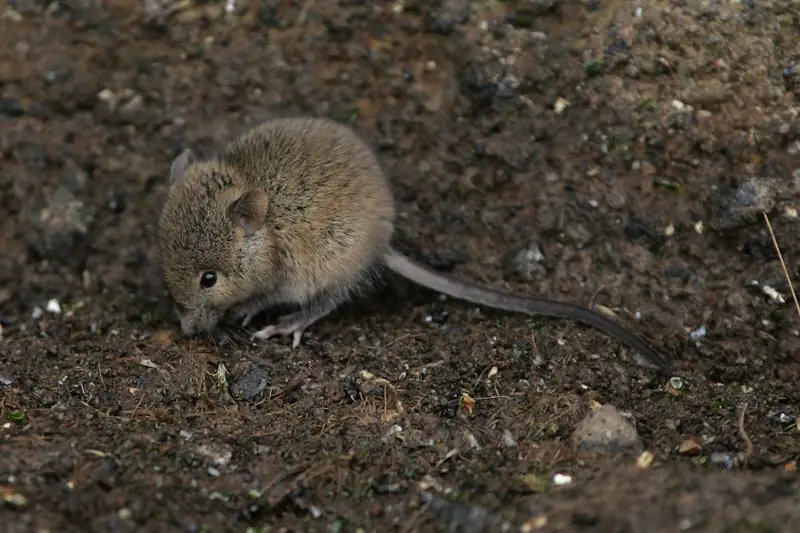
There is no magic in the number. A mouse that lives in your house visits its feeding spots regularly, often nightly. If you clear the droppings and nothing new appears for several nights running, the animals may have gone or been caught. Five days is long enough to cover several nights and short enough to be practical.
Our reading is that it is a decent first test and a poor final one. A quiet week does not prove the problem has gone.
How to run the check properly
Clean up safely.
Wear gloves, dampen droppings, wipe with paper towel, bag it and wash your hands. Our note on rat or mouse droppings explains why you shouldn't sweep dry droppings.
Mark the hot spots.
Photograph the places where droppings were: drawers, behind appliances, pantry shelves, the roof hatch.
Check daily at the same time.
Fresh droppings are dark and moist, old ones grey and dry.
Note sounds.
A written note of any scratching and the time is better than memory.
Count to five.
Five nights of nothing is a good sign. Any new sign resets the count.
What the rule cannot tell you
It can't tell you where the mice came from. If the entry point stays open, others will find it. See rat proofing for pole houses and subfloors for the gaps that matter on raised houses, and the rodent proofing page for the closing-up step.
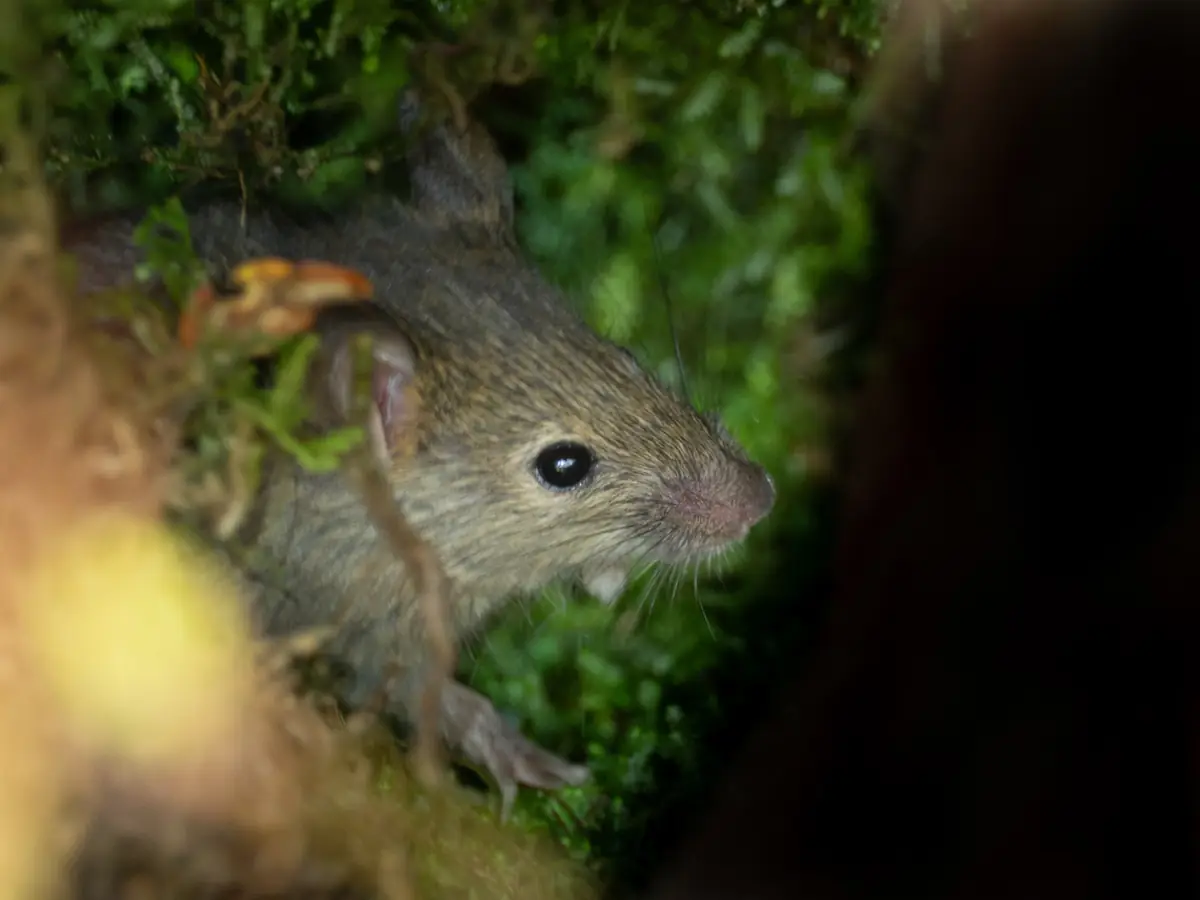
It can't separate mice from rats. If five days pass with no mouse sign but you still hear noise in the roof, you may have a rat, and ship rats nest high, a habit DOC describes in noting that they are good climbers. Our note on ship rats, Norway rats and mice sorts the species.
It can't catch a seasonal pattern. Mice move to warmth in autumn and winter, so a quiet spell in March may not hold in June. Weather and building work also change things.
It can't account for food. If food stays out, the next mouse arrives. Seal pet food and clear crumbs and the check becomes more meaningful.
When to stop waiting and book
Don't wait out five days if:
- you see a live mouse in the daytime, repeatedly;
- the droppings are many and fresh in several rooms;
- you can hear activity in walls or the roof every night;
- there is gnawed wiring or a strong smell;
- anyone in the house is vulnerable, such as an infant, an older person or someone unwell;
- you've waited five days, seen nothing, and then signs came back.
Each of those suggests an established group, not a stray. The mouse control page covers what a visit involves.
West Auckland colour
Where you live changes how long mice take to return. A Te Atatū house near the Harbourview reserve is next to a place where volunteers, as at October 2021, had caught 262 mice and 322 rats on 66 traps. That figure is from Auckland Council's restoration plan. It shows mice live in the reserve, and our reading is that they can reach nearby homes. A quiet five days there may not last. See the Te Atatū page.
New homes are not exempt. In Whenuapai, council data zone 953 of 1,543 ha as Future Urban and the population grew 70.5% between the 2018 and 2023 censuses, so building sites and open ground sit close to houses. Disturbed ground can push animals toward new homes, which is our reading, not a measured effect. The Whenuapai page has the setting.
The park's volunteer programme runs 66 traps, and a significant number of mice were caught alongside rats.
Source: Auckland Council, Harbourview-Orangihina Park restoration planWhat a visit adds
A technician finds the entry point, identifies the species, places devices to suit your home, and decides whether to use traps or bait stations, with pets and children in mind. That is something a waiting test cannot do. Products are used under the Hazardous Substances and New Organisms Act and to label directions, and keeping bait away from pets and children is not optional. Details are on the safety and products page.
Is the 5 day mouse rule official?
We found no official source for it. Treat it as a household rule of thumb.
What if I trap mice and then see nothing for five days?
That is a good sign. Keep checking, and fix the entry point, or others may follow.
Does five days apply to rats?
It isn't designed for rats. Rats are larger and nest in different places, and a roof-space problem needs inspection.
Should I leave traps out during the five days?
Ask a technician. Traps placed without advice can catch pets or non-target animals.
If the signs return
Don't wait for a second round. Book a callback or phone 09 872 7624. An assistant takes your details and a specialist rings you back to arrange a visit. See the rats and mice price guide for estimates, or the home page for the whole West.
Call 09 872 7624, or book a callback and a specialist will ring you.
Call now Book a callback