Rats and mice in Te Atatū
One reserve on the peninsula has trapped 322 rats and 262 mice in a few years. The houses next to it are part of the same story.
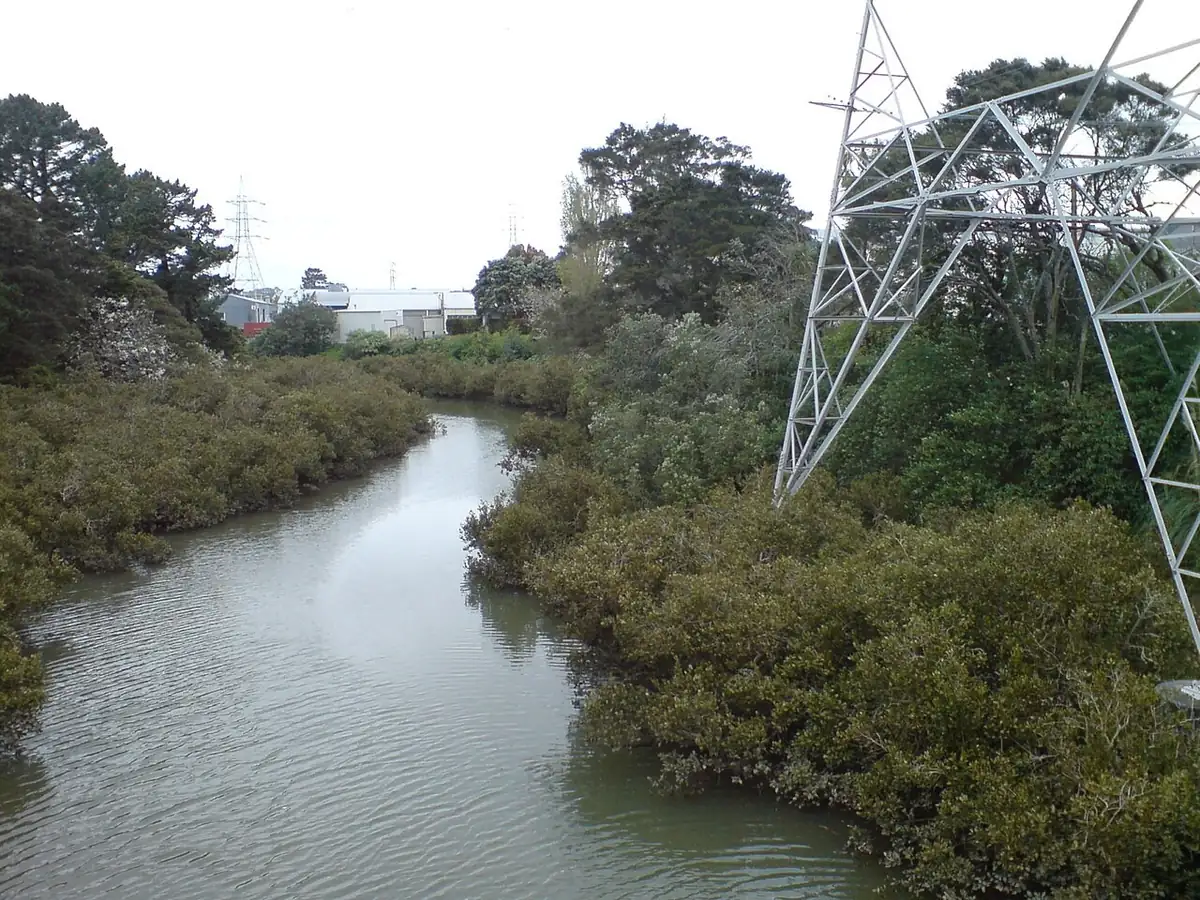
Most suburbs have to guess how many rodents live nearby. Te Atatū has a number, from a council plan and a volunteer trap line.
The park covers 85 hectares of pastoral and intertidal coastal land on the Te Atatū Peninsula and keeps a wilderness feel in contrast to adjacent residential areas. Its volunteer programme targets ship and Norway rats, possums and hedgehogs, with a significant number of mice also caught. It runs 66 traps, and as at October 2021 had caught 322 rats, 262 mice, four hedgehogs and six possums.
Source: Auckland Council, Harbourview-Orangihina Park Community Restoration Plan (May 2021)Those are cumulative catches from one reserve, so they are not a per-house rate. They do show that both rat species and mice are active in the park.
A 2016 survey
An overnight survey with inked tracking cards at the Harbourview wetlands found rats present on 60% of cards. The story describes 12 DOC 200 traps along the walking track and bait stations later placed in the wetland transition zone.
Source: Predator Free NZ, 9 October 2016A 60% card result is a high figure and it dates from 2016, so we treat it as a sign of capacity and not a current reading. Which likely means that the reserve can carry a large rodent population in a good year, with houses and gardens along its boundary as the next best habitat.
Why mice as well
Most Auckland rodent stories are about rats. Te Atatū's trapping record has a substantial mouse count too, and that fits what we see where reserves meet older suburban houses. Mice live in the edge grass and outbuildings, and can move indoors when the weather turns. Professional Pest Manager says an adult house mouse stays within about 10 m of its harbourage when food and shelter are close, which is why a house on the boundary with a reserve, rather than one two streets back, sees the most of them. Our page on mouse control sets out how those jobs run.
The housing around it
Wikipedia records that the Ramlea Park Estate was built in the early 1950s on a former farm, with low and medium-income housing continuing on the peninsula in the 1960s and 70s, and 4,878 dwellings at the 2023 census (source). We would expect, though we have not measured it, that homes of that era have older cladding and ventilation grilles, gaps at the eaves and sheds at the back, all of which rats and mice can use. The Department of Conservation describes the Norway rat as an urban species, and the plan names both it and the ship rat.
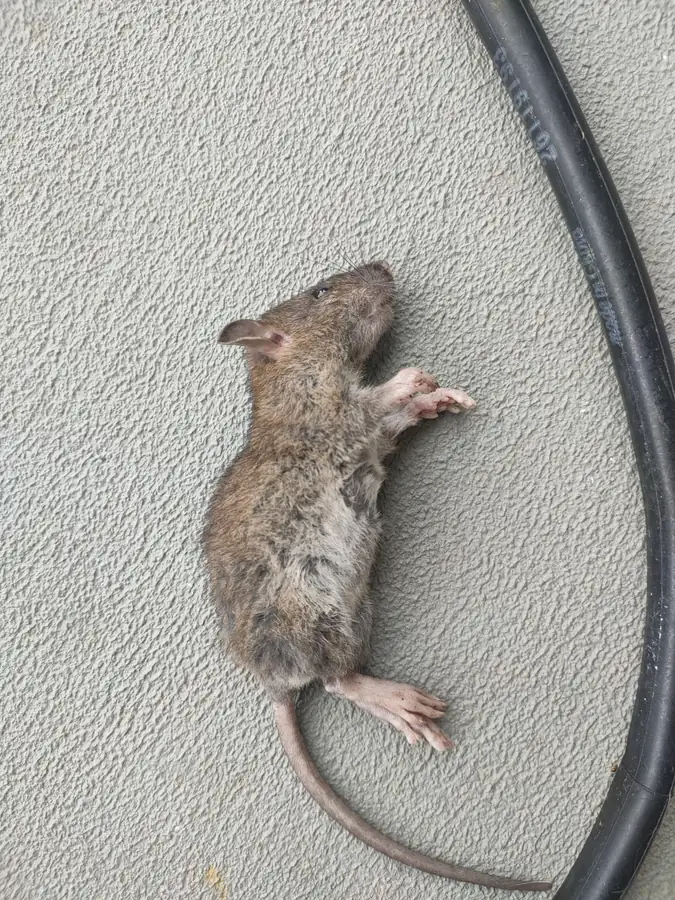
What the work looks like
On a peninsula property, the likeliest problems are:
- mice in the kitchen or garage, particularly on the reserve side;
- Norway rats under decks, in sheds and around compost;
- ship rats in the roof space where there are mature trees or a neighbouring tall hedge.
The technician checks inside and outside and writes up the findings with a quote. Proofing follows treatment. Published Auckland sources give about $199 to $300 for a standard house and up to $1,000 or more for large or severe jobs (checked 17 November 2026); the sources are on the rats and mice price page.
Does living near the reserve guarantee rats?
No. It means the supply is close. Many houses with a tidy section and sealed gaps never see one.
Does reserve trapping help me?
It lowers numbers nearby. It does not stop animals that are already in your roof or wall.
Next steps
The Te Atatū suburb page has the wider local picture, and harbour and creek-edge properties covers similar settings. Ring 09 872 7624 and an assistant takes your details for a specialist callback, or use the callback form. The overview on rats and mice explains what follows.
Sources for this page
Where a source describes the place rather than pests, the pest relevance is our own reading.