Safety, products and tenancies
What to do in an emergency, how pest products are regulated, how to keep people and pets safe, and where to report invasive species.
In an emergency
If someone is in danger, ring 111. For a suspected poisoning, call the National Poisons Centre on 0800 764 766. They answer around the clock and can tell you what to do before help arrives. Do not wait for a pest callback in an emergency, because nobody on this site can give medical advice.
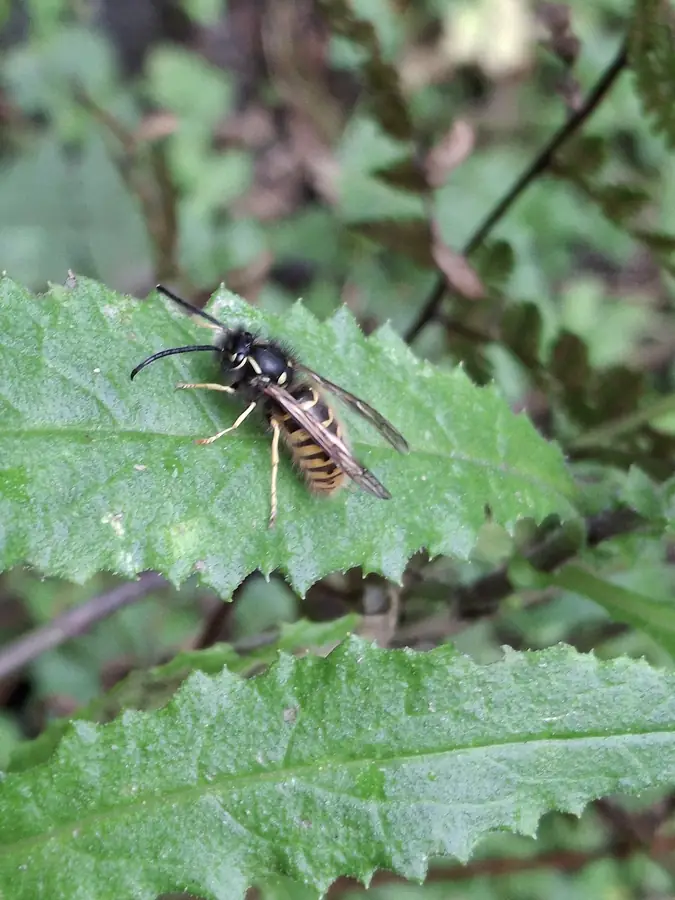
A wasp or bee sting is an emergency for anyone who is allergic. If someone develops difficulty breathing, swelling of the face or throat, or feels faint after a sting, ring 111 straight away.
How pest products are controlled
Pest control products are regulated under the Hazardous Substances and New Organisms Act 1996, which the Environmental Protection Authority administers. In practice that means each product has an approval, a label and rules about where and how it may be used. The label is a legal instruction. A technician applying a product is required to follow it, including the limits on where it goes and how much is used.
For some products the EPA's notices go further. The person applying them has to hold a recognised qualification, or work under the guidance of someone who does and who is available throughout. One route is the Urban Pest Control strand of the New Zealand Certificate in Pest Operations (Level 3). You can ask whoever visits you how they meet the requirement. Fumigation is a separate controlled activity again, and we do not offer it.
Pets, children and food
Whatever the treatment, a few habits apply.
- Keep pets, including birds and fish tanks, out of the treated area until the technician says it is safe to return.
- Keep children away from bait stations and from areas treated with a spray or powder.
- Cover or put away food and food-preparation items before the visit.
- Never move, open or pour out a bait station. Rodent baits are poisons, and an animal that eats a poisoned rodent can be harmed too.
- Keep the product name and the label from the visit. If anyone is unwell, those are the first things a doctor or the Poisons Centre will ask for.
Living beside the bush
Many West Auckland homes back onto the Waitākere Ranges or a stream corridor. Predator trapping by community groups and Auckland Council does not remove the pressure on a nearby house, so a bush-edge home may still need its own rodent proofing and bait stations. Where a technician needs to work near native bush, follow any council signs about track closures and kauri dieback hygiene. The Ranges have been partly closed since 2018 to protect kauri from the disease.
Rentals and tenancies
When you rent, the Residential Tenancies Act 1986 sets out what a landlord and a tenant owe each other, and Tenancy Services publishes guidance on pests and on healthy homes. Who pays for treatment can depend on how the problem started and what the tenancy agreement says. If you are a tenant, tell your landlord in writing before booking, and keep a copy. If you are a landlord, a written quote and a record of the treatment will help if a dispute comes up later.
Unwanted organisms
Some pests are not ordinary household problems. If you find an insect, plant or animal you think should not be in New Zealand, call the Ministry for Primary Industries pest and disease hotline on 0800 80 99 66. A photo helps. For stinging insects, MPI and Auckland Council both publish guidance on the species that matter most, and we cover the common wasps in our wasp pages.
What this page is not
This page is general information, not medical or legal advice. If you are worried about a product that has been used in your home, ask the technician for the label and product name, and ring the Poisons Centre if anyone is unwell.
Call 09 872 7624, or book a callback and a specialist will ring you.
Call now Book a callback