Subfloor treatment
Subfloor treatment in West Auckland: what the visit covers, what the treatment involves and what to do before and after the technician arrives.
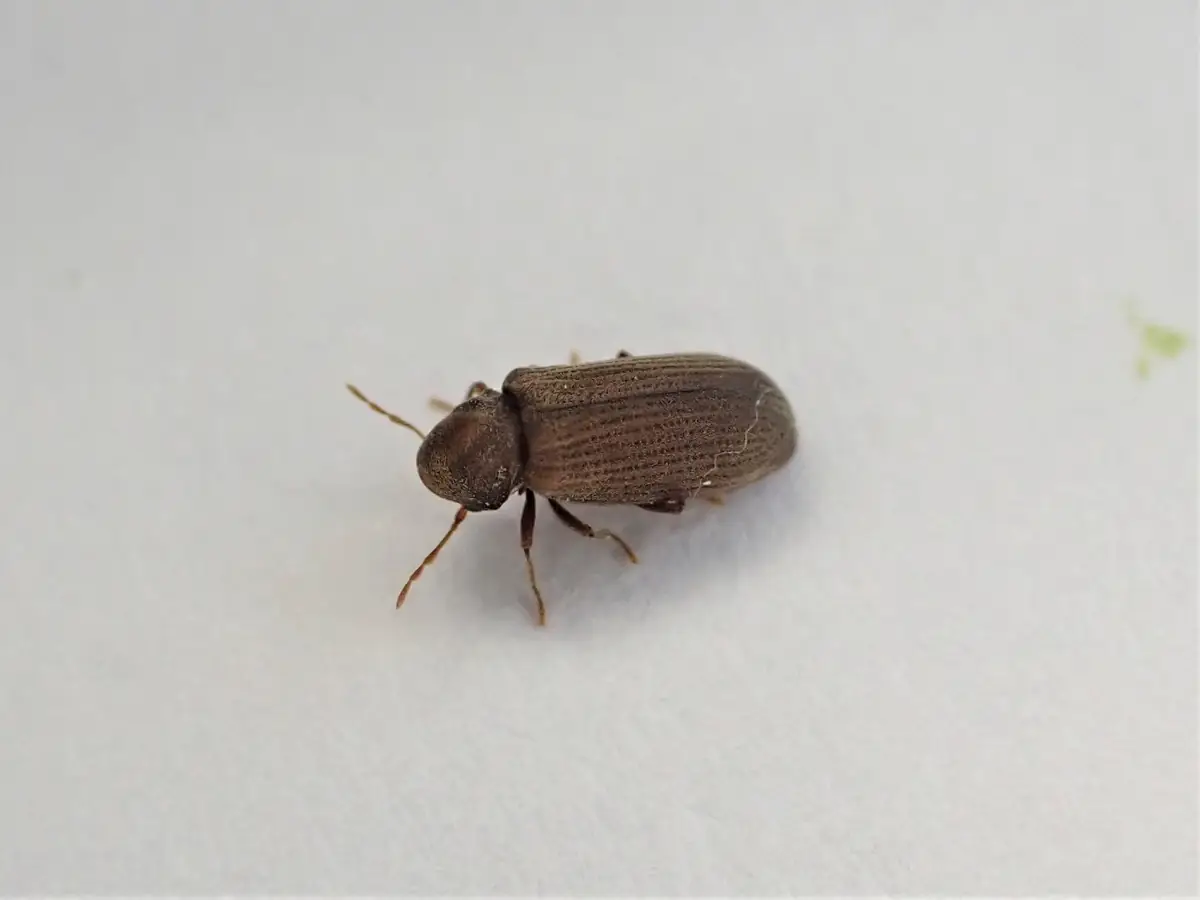
Crawl under a typical older West Auckland house and you find a low, dim space: bearers and joists, piles of brick, concrete or timber, bare clay or a thin layer of plastic, and sometimes a pile of old building offcuts. This is where much borer treatment is done, and where the work is hardest to see.
If you want the bigger picture first, the borer overview explains what borer is and how to spot it.
Why the subfloor
Floor timber sits above the ground, close to moisture. Consumer NZ says borer like moist untreated timber and are often found in floor timbers because those areas are prone to damp. A house on a slope, in a gully or near a stream may have more of it.
Auckland Council data show Titirangi has 59 ha of mapped flood plain and 34.5 km of permanent stream within its boundary, and Swanson has 49.4 km. Our reading is that where streams and shaded slopes are common, subfloors are more likely to stay damp, which is a point to bear in mind on valley sections.
Measured on 2026-11-17 by clipping council layers to suburb boundaries; the boundaries are generalised, so the figures are approximate.
Source: Auckland Council open data (ArcGIS REST)What the treatment covers
The usual approach is to apply an approved preservative to the exposed faces of subfloor timber that can be reached. Boron-type products are widely used for borer: they are applied as a liquid and are taken up by the surface of the wood. The aim is to protect untreated sapwood from further attack and to kill larvae near the surface.
The technician decides on the product and rate from what they find and the label. Nothing is promised about timber already damaged; that is a builder's call.
Inspect and quote.
The subfloor is assessed and a written quote lists the areas to be treated.
Clear access.
You or we agree who moves stored items from the hatch and the entry route.
Treat.
The technician works in protective gear under the house, spraying bearers, joists and underside of floorboards that can be reached.
Leave it to dry.
Surfaces need time before disturbing, and the technician says how long.
Fix the moisture.
Blocked vents, leaks and bare soil are addressed separately or by you.
Damp matters as much as the spray
Treatment without a dry subfloor is a partial answer. If water pools under the house, or vents are blocked by planting, the timber stays damp and borer has a more welcoming home. Typical fixes are clearing vents, repairing leaking plumbing or gutters, improving drainage and laying ground cover. Most of that is plumbing, drainage or building work rather than pest control, and we will tell you where it is needed.
The borer, damp and rainfall article goes into the moisture side in more detail.
Access limits
Some subfloors are too low to crawl, are blocked by services or are full of stored items. The technician will say what they can and cannot reach. Where a deck, extension or concrete slab covers part of the floor there may be no access at all. Our reading is that partly accessible subfloors are common in houses that have been extended several times, which is typical of older villas and bungalows.
If a large amount of timber needs replacement or the floor feels springy or soft, say so when you call, because that points to a structural job for a builder first.
Preparing for the visit
- Clear items away from the hatch inside and outside the house.
- Make sure the subfloor access is not painted shut or screwed down.
- Tell the assistant about animals living under the house, as pets and wasps are among the things technicians have to work around.
- Keep pets and children away from the hatch during the work.
- Switch off any under-floor heating or equipment if you know where it is.
Cost
We found no verified New Zealand price for subfloor borer treatment (checked 17 November 2026). The only figure is an operator-published "from" price for borer treatment of $199, which is a starting point and says nothing about subfloor size. Subfloor work is quoted after the technician has seen it. The borer price guide explains how quotes vary.
Suburbs where this is asked for
Villa subfloors in Avondale, Henderson and Glen Eden are the common cases. Pole houses in Titirangi and Laingholm are different, because the subfloor is open to the air and often partly shaded. Helensville's older homes are covered in the Helensville borer note.
Do I have to be home?
You need to give access to the hatch. Many people are out; just make arrangements with the technician.
Is it safe for pets and children afterwards?
Follow the technician's instructions on drying time and re-entry. The product label sets what is required.
Will it stop borer for good?
It protects treated surfaces and kills what is near them. New damage can start in untreated or newly damp timber, so keeping the subfloor dry matters.
What if there is no way in?
The technician will tell you. In some houses a new hatch cut by a builder solves it.
Request treatment
Call 09 872 7624 and an assistant takes your details for a specialist callback, or use the callback form. The the service overview homepage lists everything else we arrange, and how we work shows who does what.