Pest control in Rānui
Stream floods in 2023 sent rats into houses.

A flood and a rat report
After the Anniversary Weekend floods of 2023, the NZ Herald carried reports from residents along Candia Road of dozens of rats heading for houses beside the Waiomoko Stream once it broke its banks. The council's view, quoted there, was that the animals had probably been pushed out by the water or drawn by food left on kerbs, and that rat numbers had most likely not risen.
The report describes rats moving into houses beside the stream after the floods.
Source: NZ Herald, 21 February 2023The distinction is useful. Rats were already living by the stream, and the flood moved them. Stream-edge houses do not need a flood to have rats nearby, only a reason for them to come in. The page on rats and mice in Rānui follows that thread.
Another stream, same weekend
A second stream burst its banks too. RNZ reported on 30 January 2023 that the Momutu Stream spilled onto Camphora Place, leaving many homes with red or yellow stickers. A stickered or abandoned house becomes harbourage in its own right, with scraps, quiet and broken access, which is the situation the Herald's reports described.
Many homes on Camphora Place were stickered after the Momutu Stream overflowed.
Source: RNZ, Checkpoint, 30 January 2023The map
In the council layers read on 17 November 2026, about 58 ha of Rānui's 370 ha sits on flood plain, with a small ecological overlay and a little under 12 km of stream, rounded. That is a lot of water for a small, dense place. Wikipedia counts roughly 4,050 dwellings and 14,200 residents in under ten square kilometres, which suggests rodents and cockroaches can move between neighbouring properties.
Rānui's flood-plain and stream layers are the basis for the figures above.
Source: Auckland Council open data, flood plains and streamsAfter a flood, what to do
- Bag and bin damp, discarded household items promptly, because kerbside food and clutter draw rats, as the council noted.
- Check under the house and inside the garage for droppings and nesting before you reoccupy a repaired space.
- Dry out subfloors, because damp timber is where borer thrives, according to Consumer NZ.
- Block gaps opened by water damage, especially around pipes and cladding.
The article on rat-proofing pole houses and subfloors explains how to seal underfloor spaces, and the rodent proofing page covers the rest.
A caution on cockroaches
Wikipedia's density figures hint at cockroaches moving between close neighbours, but we have no Rānui-specific cockroach record, so we say no more. The cockroach hub covers the species.
When to call
If you have rats in the roof or walls, or you see them in daylight inside, call. Rats outside, near the stream, can be managed by tidying the garden and trapping. A treatment with proofing makes sense when they are in the house. Compare that with the signs of rats in the roof.
What a visit here involves
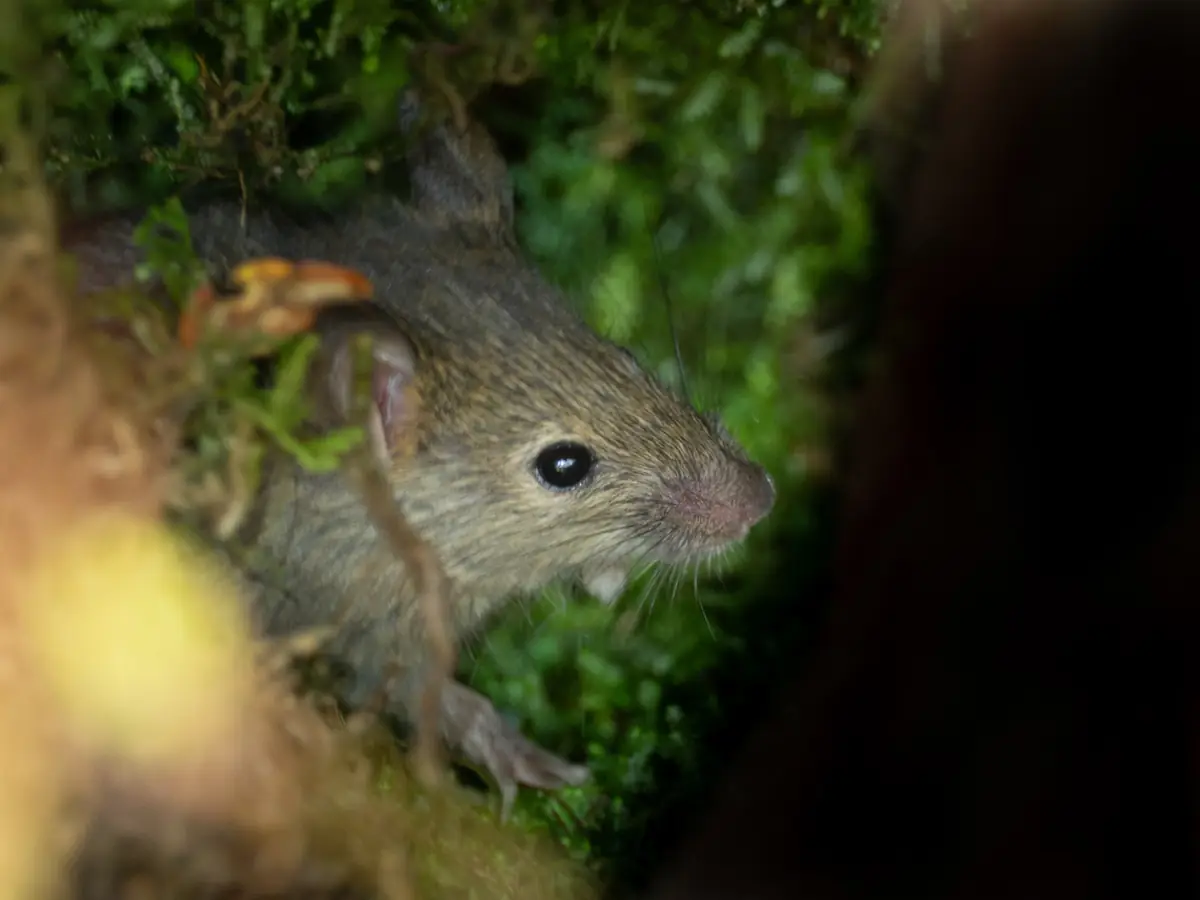
After a flood or near a stream, the technician looks first at what has changed: damaged cladding, open subfloor access, stored damaged goods and kerbside rubbish. Drains and stream-side fences come next, then the roof space. Because the council has said rats may be displaced by floods rather than multiplying, the work is as much about closing the way in and removing attractants as about baiting. If your house was stickered, ask your insurer or builder to close gaps as part of the repair. Tell the assistant the address and whether the house is occupied, so the technician knows what to expect.
Price
A standard rat or mouse treatment is about $199 to $300, higher for flood-damaged or multi-site jobs, going by sources read on 17 November 2026. The price guide lists them.
Nearby
Henderson, Swanson, Sunnyvale and Massey are the closest suburbs. Streamside houses are grouped on the harbour and creek edge page, and the main page lists the other pests.
Phone or form
Ring 09 872 7624 and an assistant takes the address and what you have found. The callback form does the same job. A specialist rings back.
Sources for this page
Where a source describes the place rather than pests, the pest relevance is our own reading.