Signs of rats in the roof, and what to do first
Scratching at dusk, droppings along the top plate and rub marks on joists: how to read what a roof space is telling you.
Published
In this note
It usually starts as a noise. A scrabbling overhead around the time you turn the lights down, a thump near the bedroom wall, a faint patter across the ceiling at two in the morning. Then you notice a smell, or a stain on the ceiling board, or a chewed corner on the bag of dog biscuits.
Here is how to read those signs, what a roof space can tell you if you look safely, and what to do before anyone arrives.
The sounds: when and what
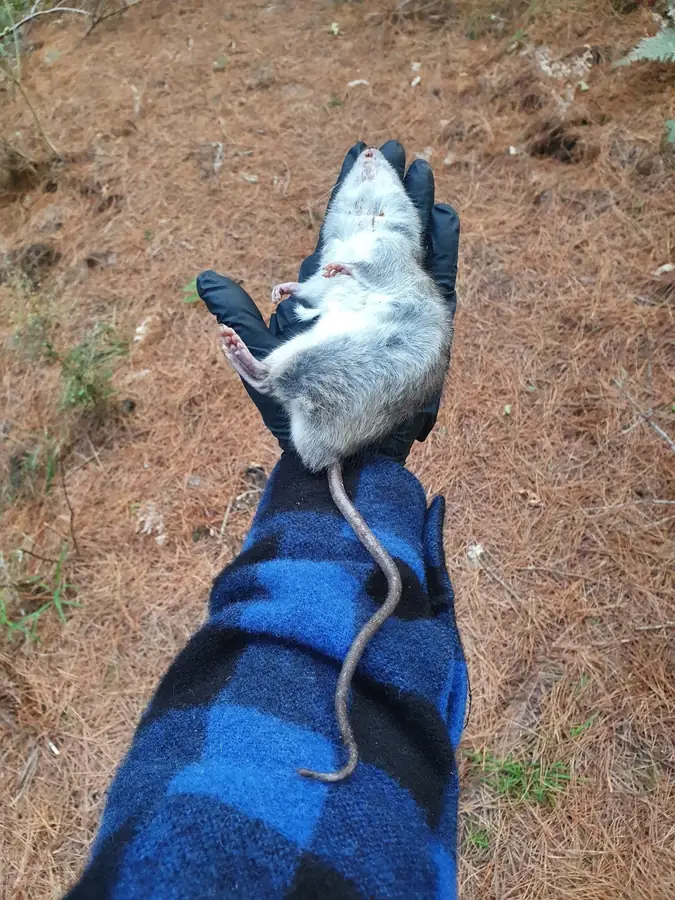
Rats are mostly active at night, so sound is the first sign. Ship rats nest high, which fits what DOC says about them being good climbers, so the roof space is their natural choice. Listen for:
- scratching or scrabbling in the first hour or two after dark;
- a heavier thump or drag, which can be a rat carrying nesting material;
- squeaking and fighting, more common when several animals share a space;
- gnawing, a dry rasping noise from a single spot.
Our separate note on what time of day rats are active explains why the timing matters. A noise only in the early morning could also be a possum, which is a different animal and a different job, so say so when you call.
Looking from the manhole
If you have a safe, easy hatch, you can put your head through with a torch. Don't step off the joists onto the ceiling board, which won't hold you, and don't go up in summer heat or if the insulation is old and unknown. If in doubt, don't go.
What you might see:
Droppings, in clusters along the top plate where the wall meets the ceiling, beside pipework, or on top of the insulation. Rat droppings are larger than mouse droppings; read how to tell rat from mouse droppings for more.
Runs and rub marks. Rats follow the same path again and again, and the oils from their fur leave dark smears on timber, pipes and the edges of the insulation. A flattened line through the insulation is a run.
Nesting material. Shredded insulation, paper, fabric and dry leaves piled in a corner.
Chewed things. Look at cable sheathing. Chewing on wiring is a real concern in any roof space, because exposed conductors are a fire and electrical risk, and an electrician should look at any damage. We won't put a number on the risk, because we don't have a source for one.
Smell. A stale, musky odour, or a sharp smell like ammonia. A stronger, sweet smell can mean an animal died in the roof.
Entry points you can see from outside
Rats don't need much. Look at the roofline for gaps where the fascia meets the soffit, loose ridge or barge flashings, holes where pipes and cables enter, and vents with torn mesh. A ship rat can climb a drainpipe, a trellis or an overhanging branch to reach these.
Trees are the thing people miss. A branch touching the roof or leaning over the eaves is a footpath. In Titirangi and other bush-edge streets, our reading is that this is often how animals arrive. The Titirangi page describes the setting, and the rat control page for Titirangi goes further.
The report says ship rats and other mammalian predators are still present in the Waitākere Ranges.
Source: Auckland Council forest bird monitoring report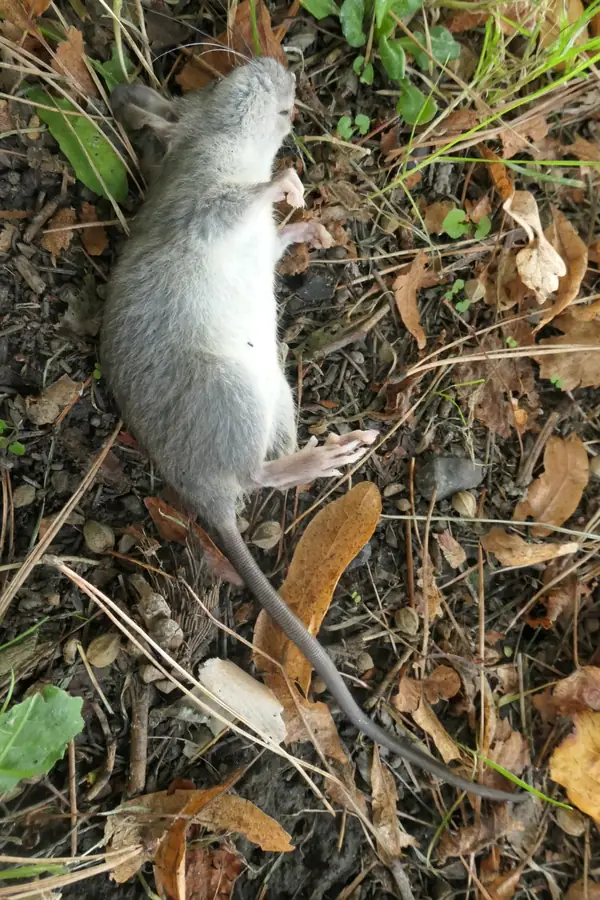
What to do first
Keep food out.
Put pet food away overnight, seal bins and clear fallen fruit. Rats that find food stay.
Don't block holes yet.
If you seal a nest entrance with rats inside, they can chew a new way into the house, or die in the wall. A technician sequences proofing after control.
Don't scatter bait.
Loose poison is dangerous to pets, children and wildlife. DOC research on anticoagulant residues records secondary poisoning risks to predators and birds of prey.
Take notes and photos.
Where the sounds are, what time, and any droppings.
Call.
A specialist rings back and books a visit.
Why a roof-space problem is rarely one rat
A roof space is warm, dry and quiet, which is what a rat wants for a nest. If you can hear one, there are often more, and a pair can quickly become a family. The treatment is therefore not just removing what you see. It means finding the entry points, setting devices in the right places, checking them and then closing the gaps. The roof space rats page sets out what a visit covers, and the rodent proofing page covers the sealing step.
There is no verified price for roof-space treatment in the sources we found, so a specialist quotes after a look. The general rats and mice price guide shows what the guides estimate for a standard house.
Local pressure
Some West Auckland roofs have more pressure than others. Ark in the Park covers 2,270 ha of the Waitākere Ranges Regional Park, and the NZ Herald reported 32% of monitoring tunnels recorded rat footprints, the highest since 2002. Trapping in the park doesn't stop rats moving into homes at its edge, which is our reading. In Ranui, rats were reported moving from the Waiomoko Stream into houses after the 2023 floods (NZ Herald). The Ranui page has that story.
Is the noise definitely rats?
Not always. Possums, birds and even settling timber make noise. A technician works it out by looking.
Is it safe to leave rats in the roof for a few weeks?
We wouldn't. They breed, chew wiring and leave droppings. Early action is simpler.
Should I use a bait station from the hardware store?
Pets, children and wildlife are all at risk from poison. Ask a technician first. See our safety and products page.
Next step
If the signs fit, book a callback or phone 09 872 7624. An assistant takes your details and a specialist rings you back to arrange a visit. For the whole picture across the area, see the West Auckland overview.
Call 09 872 7624, or book a callback and a specialist will ring you.
Call now Book a callback