Pest control in Glen Eden
Foothills bush, a large cemetery and 1950s timber houses.
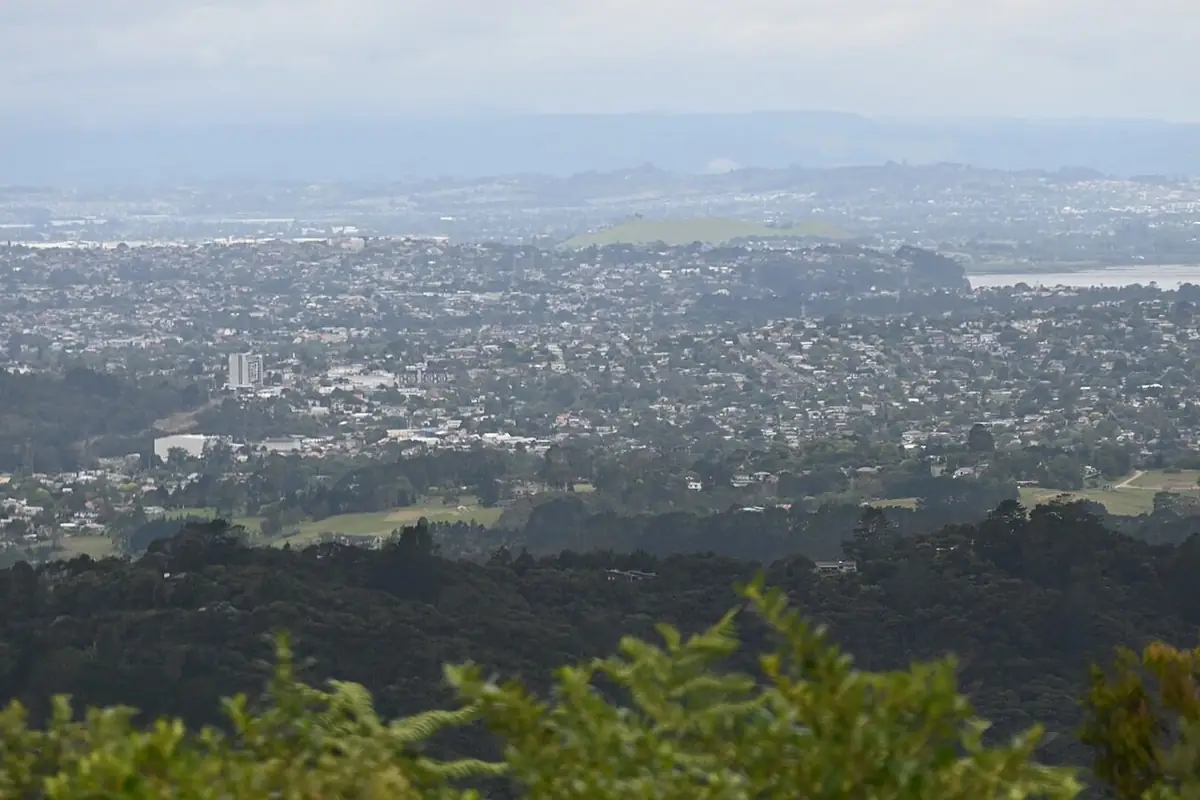
The foothills, the cemetery and the weatherboards
Three features of Glen Eden decide which pests turn up: the bush at the back of the suburb, a big cemetery with gullies and old trees, and the age of the houses. Each deserves a straight look at what is actually sourced.
Wikipedia places the suburb at the foothills of the Waitākere Ranges, notes that it was once kauri, tānekaha and rimu forest, and says that growth in the 1950s and 1960s produced mostly wooden homes, with some older farmhouses, 1930s art deco houses, post-war bungalows and weatherboards, and newer terrace housing. The 2023 census recorded 19,593 residents in 6,582 dwellings.
Glen Eden sits at the foothills of the Waitākere Ranges and was originally forest of kauri, tānekaha and rimu. Most of its housing dates from the 1950s and 1960s, mainly wood.
Source: Wikipedia, Glen EdenRats: what is sourced and what is colour
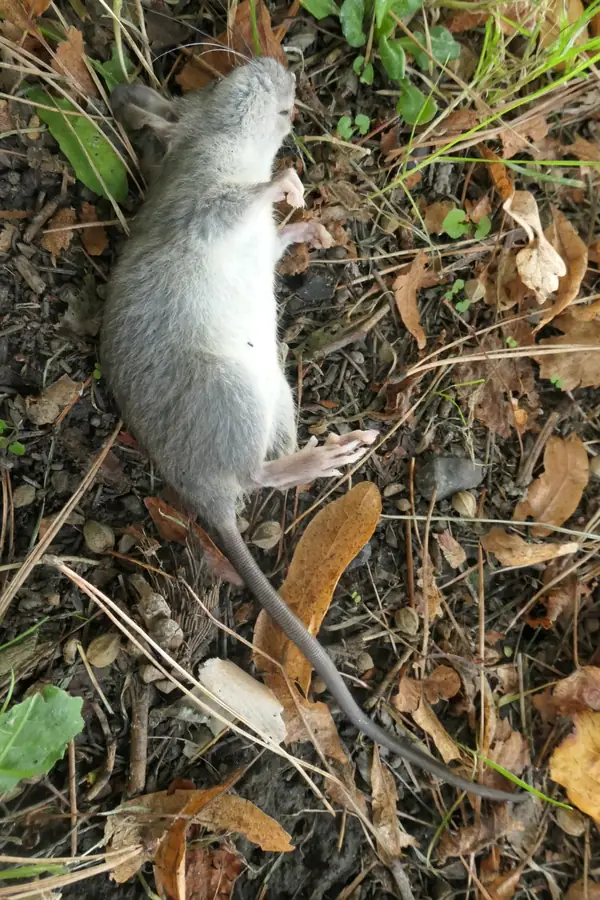
Around 84 ha of Glen Eden's 877 ha lies under an ecological overlay in the council layers we read on 17 November 2026. Add the Waikumete Stream through the middle and the bush edge, and rats have the cover they need.
What we cannot give you is a trapping scheme to join. The alliance's directory shows no group tagged to the suburb, so we will not claim one. The nearest evidence is informal: a community blog written by cemetery volunteers describes burrowing rabbits in the old sections, possums in wooded gullies, and cats and rats using the phoenix palms. Council zoning gives the cemetery 108 ha.
Volunteer-written and not an official survey, so we treat it as colour and not as a statistic.
Source: Discover Waikumete Cemetery, community blog on flora and faunaEven so, large green blocks beside houses are the standard rat reservoir. The page on rats and mice in Glen Eden deals with this in more detail, and the roof-space guide covers what to do when the noise is overhead.
Borer: an age question, not a place question
Houses from the 1930s through the 1960s are the age band where borer questions come up. Consumer NZ says the most common of up to seven borer species is the common house borer, which likes moist untreated timber, often on the south side of buildings or in floor timbers prone to damp, and that adults fly for about a month between November and March.
Larvae feed for up to four years. Two-tooth borer can last up to 11 years in wood and are more common in bush-clad areas.
Source: Consumer NZ, borer and other pestsHere is where we hold back. Council data shows no special-character overlay in Glen Eden, which means there is no mapped block of pre-1944 villas like the one at Helensville. The borer link rests on the Wikipedia description of the housing, so we treat it as a prompt to inspect, not a finding. So borer here is a house-by-house question about damp, untreated timber. The article on pre-purchase borer checks is useful if you are buying.
Not here
We have no sourced fact tying wasps to Glen Eden, so this page does not discuss them. If you find a nest, the wasp nest removal page covers how a visit goes.
What the housing zones look like
The council layers give 138 ha of Single House zone, 131 ha of Mixed Housing Suburban, 117 ha of Mixed Housing Urban and 100 ha of terraced housing and apartment zone. That is a suburb in transition, with infill townhouses going in beside older timber homes. Building work next to an old section often disturbs rats, so ask neighbours if work has started nearby.
Cost
A standard rat or mouse job is about $199 to $300. The only borer price we found is a $199 operator starting point, with the real figure set after an inspection. All read on 17 November 2026; the borer price page gives the sources.
Nearby
Sunnyvale, Kelston, Oratia and Titirangi are all within a short drive. Bush-edge sections are discussed in the bush-edge homes guide, and the western overview lists the other pests we deal with.
Make the call
Ring 09 872 7624. An assistant records the address and the problem and a specialist calls back during working hours. The form works too.
Sources for this page
Where a source describes the place rather than pests, the pest relevance is our own reading.
- Wikipedia
- Pest Free Waitākere Ranges Alliance
- Auckland Council, Western Initiative 2023 census summary
- Discover Waikumete Cemetery (community blog); Auckland Council open data
- Auckland Council open data (ArcGIS REST: Unitary Plan Base Zone, Flood Plains, Significant Ecological Areas, Permanent Streams)