Pest control in Blockhouse Bay
Home of the Whau trust, with catchment trap counts and old timber.
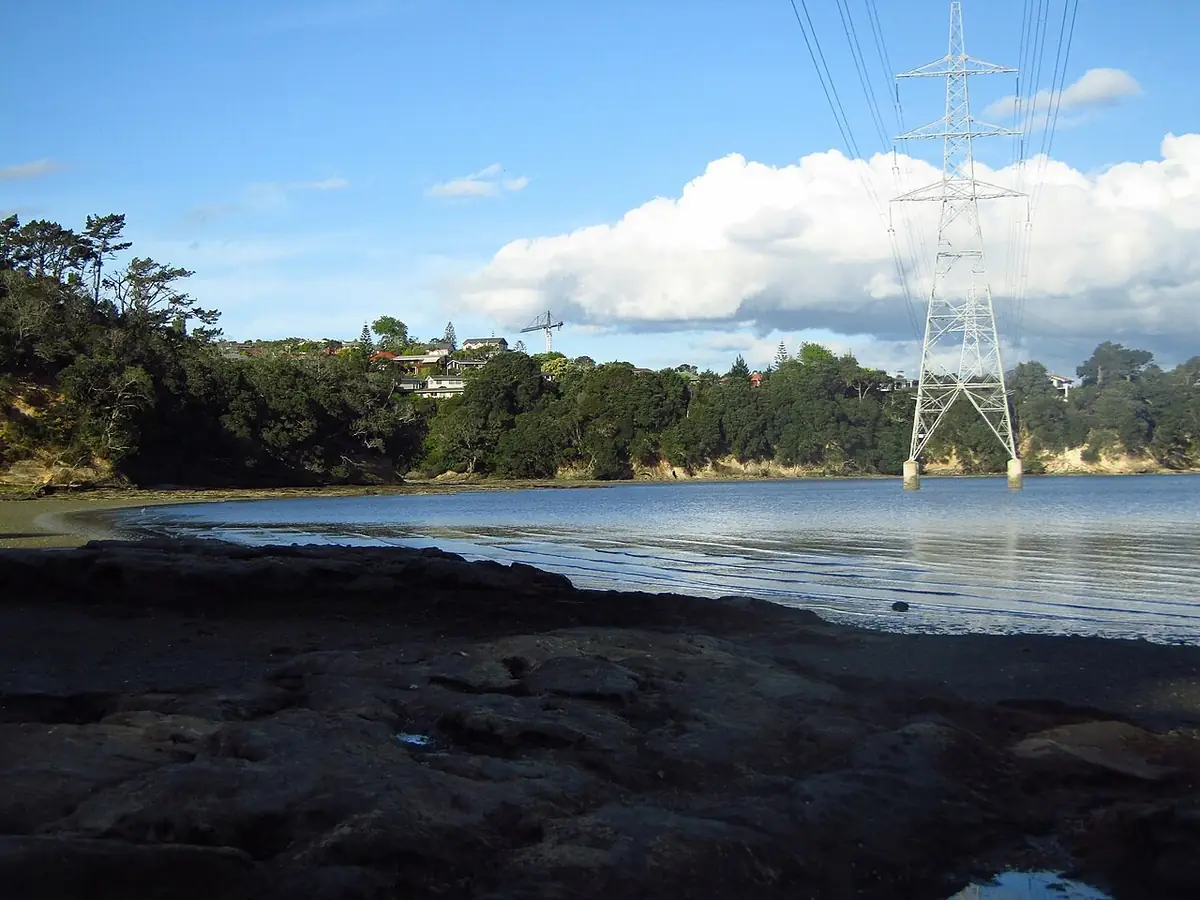
Sixty rats in a year
The Whau River Catchment Trust keeps its office on Rathlin Street in Blockhouse Bay, and its home page reports a year of trapping to June 2024: 60 rats and 25 possums among 87 animals, over 378 volunteer hours.
The tally covers July 2023 to June 2024 and records no mice.
Source: Whau River Catchment Trust, home pageRead that carefully. It is a catchment-wide figure for the whole Whau, not a count for Blockhouse Bay streets. We quote it because the trust lives here and because it shows steady rat and possum activity along the river system the suburb borders. The page on rats and mice in Blockhouse Bay builds on it.
Water that floods
After floods, the council's Healthy Waters team paid EcoMatters to coordinate community care of the Whau Stream by Dundale Avenue, The Spinoff reported. A stream running through houses is a travel route, which is our reading of why rats show up in gardens along it.
In the council layers read on 17 November 2026, a modest 32 ha of the 430 ha suburb is flood plain, with 35 ha under an ecological overlay and nearly 11 km of stream (rounded).
Poultry, orchards and a tannery
The suburb faces the Manukau Harbour, and Wikipedia lists a tannery from 1884 as its first industry, followed early in the twentieth century by poultry, orchards, potteries, strawberries and small farms. It counts 4,119 dwellings in 2023. None of that affects pests now, but it explains why older sections are often large and mature, with old trees and outbuildings.
One house, one clue
The Blockhouse Bay Historical Society records a house built around 1897 to 1898 of pit-sawn kauri weatherboards with kauri floorboards, extended in 1920. One house is not a survey, so we cannot say the suburb is full of old kauri timber. It does remind owners that some houses here are old enough for borer to be worth checking, and the inspection page explains what that involves. The article on borer holes in villa subfloors helps interpret what you see.
Which pest first
Rats are the pest with local numbers behind them. Borer, by contrast, is a question about the individual house. For mice and spiders, ordinary suburban rules apply. If you have seen rats near the creek, check bins, composts and chicken feed first, then look for gaps at pipe entries. The article on signs of rats in the roof tells you when the problem has moved inside.
What a volunteer scheme can and cannot do
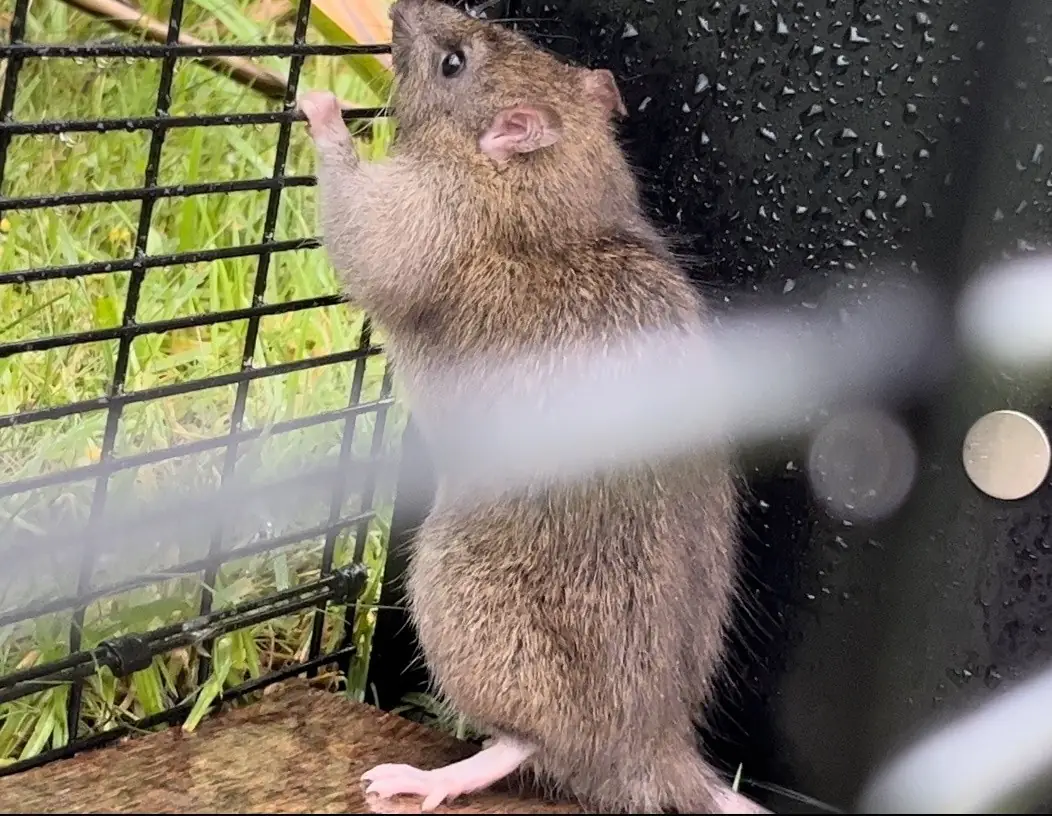
The trust says suburban sections probably only need rat control, and that near parks and reserves rats, stoats and possums are likely. Backyard trapping reduces numbers, and a neighbour's rats can still come to yours. A professional visit deals with what is inside your property and sets up exclusion.
What a visit here involves
A technician will want to know where the signs are, how long you have seen them and whether neighbours have the same problem, because streamside rats cross boundaries. Expect a check of the stream-side fence line, sheds, compost and the roof space, then written advice on baiting or trapping and on closing gaps. The Whau River Catchment Trust reports that its volunteers' trapping has reduced mammalian pests along the river, but it also says near reserves rats, stoats and possums are likely, so ongoing tidiness matters even after a treatment. If you own an older house, mention any visible borer holes in the subfloor so the technician can note them for a separate inspection.
Cost
Standard rat or mouse work runs about $199 to $300, with large sections quoted higher. We read the sources on 17 November 2026; the rats and mice price guide lists them.
Close by
Green Bay, Avondale and New Lynn are the nearest suburbs. Waterside properties are covered in harbour and creek edge, and the main page lists everything else.
Call
Ring 09 872 7624. An assistant takes your address and what you have seen, then a specialist rings back. The callback form is the other route.
Sources for this page
Where a source describes the place rather than pests, the pest relevance is our own reading.