Mouse control
One mouse is a visitor and a dozen is a colony. Here is how mouse jobs are inspected and treated in West Auckland houses, and what helps before the technician arrives.

Mice rarely announce themselves. You find a chewed corner on a bag of flour, a scatter of droppings behind the toaster, or you hear faint scratching inside a wall when the house is quiet. They are small, quick to settle and slow to leave, and they breed fast enough that a week of waiting can change the size of the problem.
How mice behave
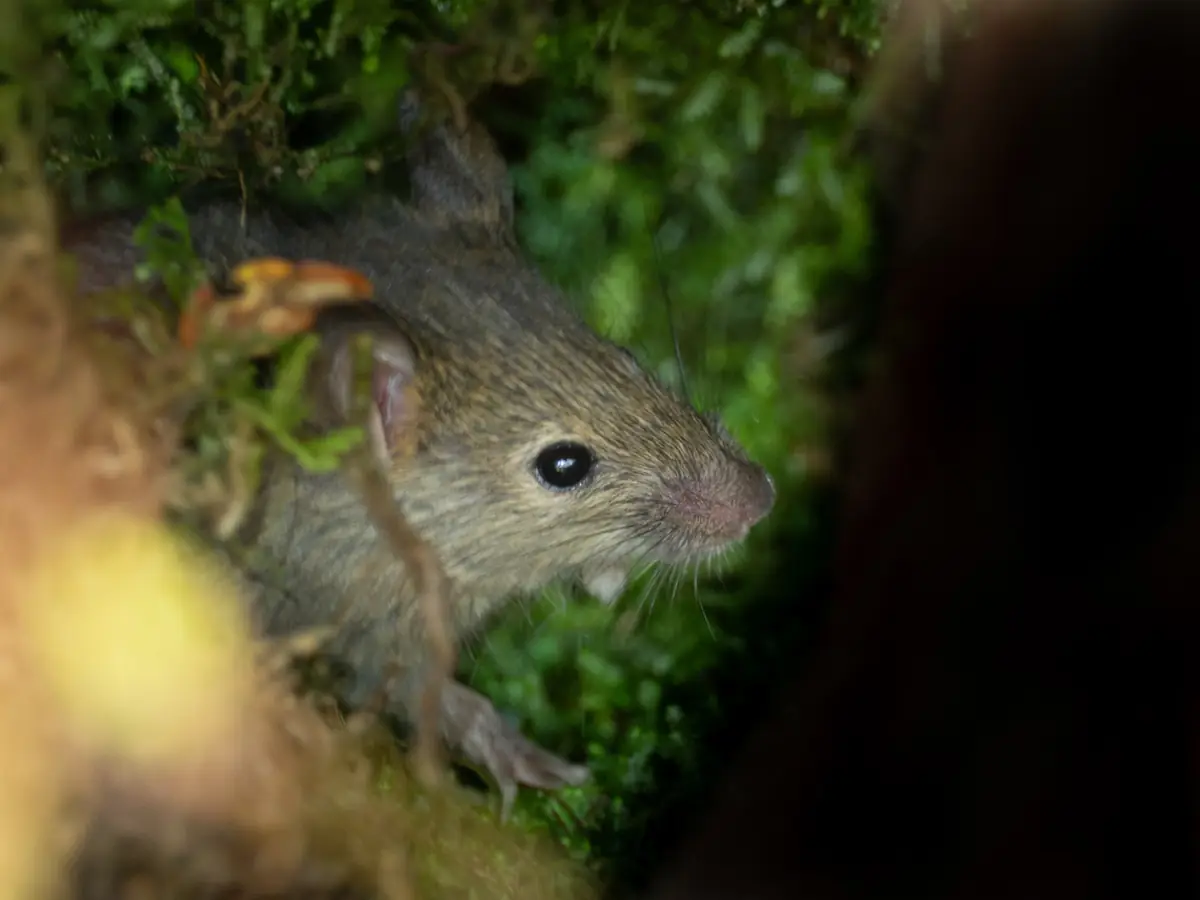
Professional Pest Manager says that when food, warmth and shelter are close, an adult house mouse normally stays within about 10 m of its harbourage. It eats about 3 g a day, does not need free water, and follows the same pathways between nest and food. A female can have 6 to 8 young in a litter and five to ten litters a year, and a mouse leaves 50 to 75 droppings a day, each about 6 mm long.
Three things follow from that. The nest is close to where you find droppings, so a technician starts there. Mice use habitual runs, which is why a bait station or trap on the run beats a dozen scattered at random. And because they breed so quickly, a small problem left alone for a month is not a small problem any more.
You will often see mouse activity in the kitchen, pantry, laundry and garage, along walls and behind appliances. In West Auckland, it also shows up where food is stored in sheds and where rubble or long grass meets the house. Our field note on telling rat and mouse droppings apart is useful before you phone, and the 5-day mouse rule explained covers the timing question people ask us most.
What the technician does
Find the pathways.
Droppings, urine trails and rub marks mark the runs. The technician traces them back to the nest area and out to the entry points.
Pick the method.
For a small, recent problem, snap traps along the runs are often enough. For a larger or repeat problem, tamper-resistant bait stations are used alongside traps.
Place with care.
Stations go behind appliances, along walls, in cupboard corners and in roof or subfloor edges where mice travel, and well away from pets, children and food.
Revisit.
Stations and traps are checked, the count is recorded and activity is reassessed. Bait can take a few days to work, so a revisit is part of the job.
Seal.
The last step is to close the gaps through which they got in. See rodent proofing.
Products are applied to label directions under the Hazardous Substances and New Organisms Act, and we say exactly what is being used and where. Read the safety and products page if you have a dog, cats or backyard chickens.
What you can do beforehand
- Put dry food, pet biscuits and birdseed in hard containers, not paper or soft plastic bags.
- Clear the floor under sinks, behind the fridge and inside pantry cupboards so stations and traps can go where the runs are.
- Do not scatter your own bait, which can drive mice into wall cavities where you cannot reach them.
- Make a note of where you hear scratching and the time of day, and tell us when you call.
- Keep the washing machine area and under-sink cupboards dry. Mice do not need free water, but a damp, quiet corner makes a good nest.
Cost
A standard residential treatment for mice is published at about $200 to $300 or more by Moneyhub, which says it covers work on a property's risk areas, baiting and collection. Broader rodent jobs run higher, up to $1,000 or more for a large property, according to Professional Pest Manager. Both figures were checked on 17 November 2026. Our own quote follows the visit and is confirmed in writing. More detail on the rats and mice price page.
Are mice or rats worse?
They are different problems. Mice contaminate food and chew in small quantities everywhere. Rats cause bigger structural and wiring damage and are harder to trap. Which one you have changes the treatment, so the technician works that out first. The rats and mice overview compares them.
Can a single mouse be a problem?
Rarely just one. If you have seen one, there is usually a second, and by the time you notice droppings a nest may already be in a wall or roof void.
Do I need to leave the house?
Not usually. Traps and tamper-resistant stations do not need the house empty. If a different approach is recommended, you will be told in advance.
Arrange a visit
Ring 09 872 7624. An assistant takes your details and a specialist phones you back to talk through what you have found. You can also leave the details on the callback page.