Pest control in Kumeū
Vineyard land, lifestyle blocks and a town centre that floods.
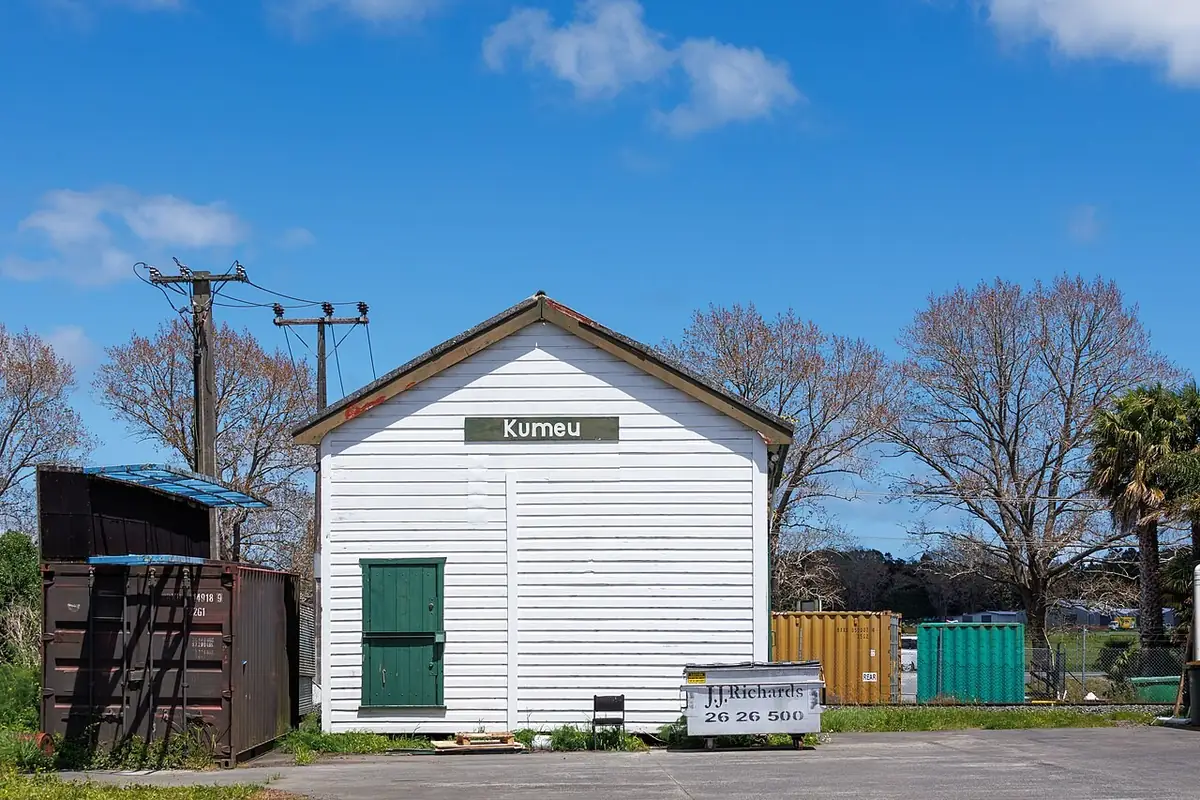
Flood water and what it pushes
The town centre sits low, and it has been under water before. RNZ reported in February 2025 that none of the options studied would drop flood levels by the metre or more required, which is why shifting the centre uphill over decades was on the table. A councillor's release dates the first big flood to 1926 and counts five notable ones since, though as a political release we treat that history as indicative.
Flooding here is a repeating problem, and the centre is on low ground.
Source: RNZ, February 2025Our reading is that repeated floods push rodents into buildings and leave damp subfloors behind, which is also what borer likes. See the page on rats and mice in Kumeū for the rodent side.
The land itself
Council layers read on 17 November 2026 cover a very large area, about 4,400 ha, of which roughly 830 ha is flood plain, with well over 100 km of stream. Around 1,240 ha is zoned for lifestyle-sized rural blocks, with another thousand or so hectares in rural production (rounded; the outline is simplified). Source: council flood-plain layer.
The Unitary Plan describes lifestyle-block land as low-density, with small farms and horticulture, and it gives a mixed rural zone a past in grapes, intensive farming and horses. We have not matched particular parcels to zones, but the wording fits the sheds, feed stores and animals that suit rodents. A lifestyle-block page from Predator Free NZ lists damage from rats, mice and possums to fruit trees and equipment, though it names no Auckland place, so it is a general backdrop and not a Kumeū finding.
Vineyards and ripe fruit
Kumeū River Wines traces its own start to a family that bought a small vineyard property in the district in 1944. That shows how long grapes have grown here. It does not tell us about wasps.
We have no wasp count for Kumeū, so what follows is our reading of the setting. Council layers show about 938 ha of Mixed Rural land, which the Unitary Plan says often has a horticulture and viticulture past, beside 1,237 ha of Countryside Living. DOC says wasps have some of the highest densities in the world in New Zealand, and ripe fruit and vines are what they feed on. The article on wasp nests in vines and fruit trees explains where to look, and the orchard and vineyard country guide groups the districts.
Rural access
Rural visits can take longer and may cost more, because of travel and bigger buildings. A barn or a lifestyle-block shed is a different job from a townhouse roof void. Tell the assistant about every outbuilding, how long since you saw signs and whether livestock feed is stored on site.
New streets
Newer subdivisions are going up around the town. The new-build estates page discusses what construction does to pest pressure.
What a visit here involves
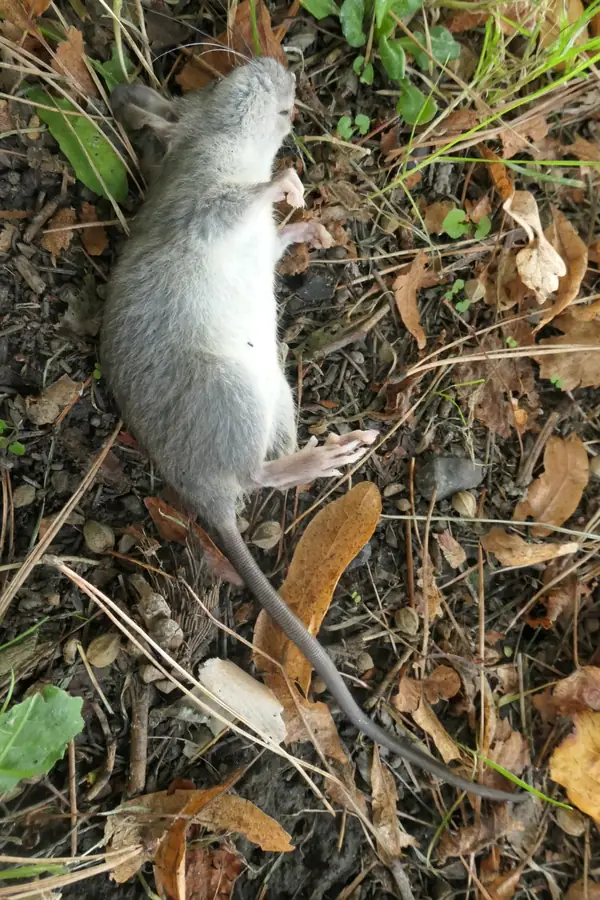
Expect questions about every building on the block, not just the house. Vineyard and lifestyle properties often have sheds, pump houses and storage where rats nest, and wasp nests turn up in banks, hedges and vine posts late in the season. The technician decides which pest is the priority, explains the safe handling of bait around animals and children, and puts the quote in writing. After a flood, tell the assistant about water damage, since damp subfloors can bring borer questions and displaced rodents may be in outbuildings. Rural travel affects scheduling, so give access details when you call.
Cost
A standard rat or mouse treatment is about $199 to $300 and a wasp nest above ground about $100 to $250, with rural travel and larger sites costing more. Read on 17 November 2026. The wasp price page lists the sources.
Neighbours
Huapai adjoins, with Waimauku and Whenuapai a short drive away. The home page lists every pest.
Book a visit
Call 09 872 7624 and an assistant takes the address and what you have seen. A specialist rings back. The callback form works as well.
Sources for this page
Where a source describes the place rather than pests, the pest relevance is our own reading.