Rats and mice in Kumeū
Kumeū's low-lying centre has flooded repeatedly for a century, and floodwater moves more than furniture. This page is about where the rodents go.
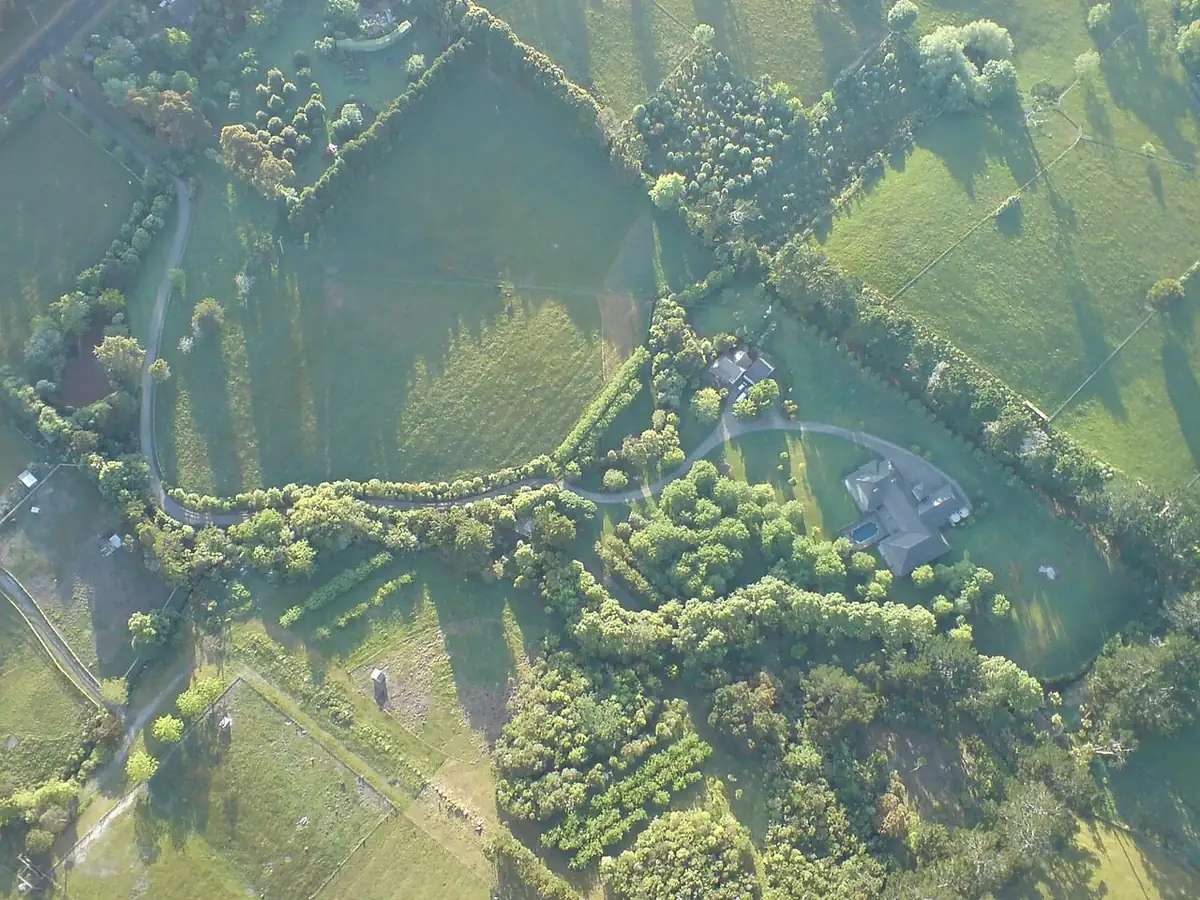
Kumeū is a good example of a place where the reason for a rodent callout is sometimes the weather, not the house.
RNZ reported that the Kumeū and Huapai area has a repeated history of flooding, that council options such as a tunnel, dam or river widening would not lower flood levels by the more than a metre needed, and that the town centre sits in a low-lying flood area, with a proposal to move it to higher ground over decades.
Source: RNZ, February 2025A councillor's release carried by Scoop traces the flooding back to 1926, when the Kumeū post office flooded to 1.2 m, and says there have been five notable floods since, including August 2021 and two in 2023. We treat the 1926 detail as indicative, as it comes from a secondary release.
What floods do to rodents
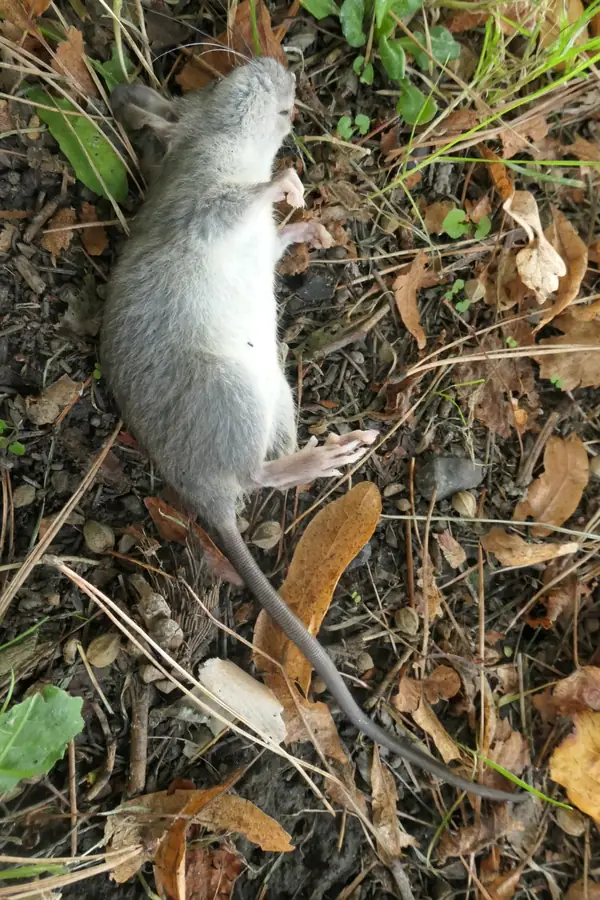
The pattern is simple. Rats and mice that live in drains, stream banks, hedgerows and low pasture are pushed out when water rises. They look for dry, sheltered places, and a raised floor, a garage or a roof void qualifies. When the water goes down, some stay. After a flood, check for droppings in garages, sheds and under decks, as well as damaged vents and cladding that provide new entry points. We have no Kumeū-specific rat count after a flood, so this is our reading of a well-known pattern, supported by the Rānui case on our page about rats in Rānui after the Waiomoko Stream flood.
The ground itself
Of Kumeū's 4,437 ha, about 829 ha is mapped as flood plain, 112 ha is in a Significant Ecological Area overlay and 130.8 km of permanent stream runs through it. Zoning includes 1,237 ha Countryside Living, 1,031 ha Rural Production and 938 ha Mixed Rural (measured 17 November 2026, boundaries generalised).
Source: Auckland Council open dataFor the zones, the Auckland Unitary Plan describes Countryside Living as low-density rural lifestyle dwellings, farmlets and horticultural sites, and Mixed Rural as often having a history of horticulture, viticulture, intensive farming and equine activities. We have not confirmed which Kumeū properties sit in which zone.
Vineyards and lifestyle blocks
Kumeū River Wines' own history says the Brajkovich family bought a Kumeū property with a small vineyard by 1944. Predator Free NZ's lifestyle block page, which names no location, says introduced predators including rats, mice and possums destroy fruit trees, spread disease and damage equipment.
Put those together and a typical Kumeū callout looks like this:
- A shed or barn with stored feed or seed, where rats nest long before the house sees them.
- A house near a drain or creek, where flood displacement and food waste pair up.
- A block with fruit trees, where windfalls feed rats through autumn.
- A modern home on a larger section, where the first gaps are around services and the garage.
The Department of Conservation describes the Norway rat as mostly found in urban areas, and the ship rat as a widespread climber, and both turn up on lifestyle blocks.
Visit, price, follow-up
On a larger property a technician walks outbuildings and drains before the house, and the quote reflects the area. Published Auckland sources give about $199 to $300 for a standard house and $1,000 or more for large or heavy jobs (checked 17 November 2026). The rats and mice price page has sources. Once the activity has stopped, proofing closes the gaps.
Should I treat after every flood?
Not automatically. Check for droppings and new gaps. If you find fresh signs, call.
Does this apply to Huapai?
Largely, because the two share a river system and a flood history. See rats in Huapai.
Book
The Kumeū suburb page covers the wider local picture, and the hub on rats and mice explains the process. Ring 09 872 7624. An assistant takes your details and a specialist calls you back. The callback form also works.
Sources for this page
Where a source describes the place rather than pests, the pest relevance is our own reading.