Pest control in Titirangi
Houses in the bush, often on poles, next to busy rat country.
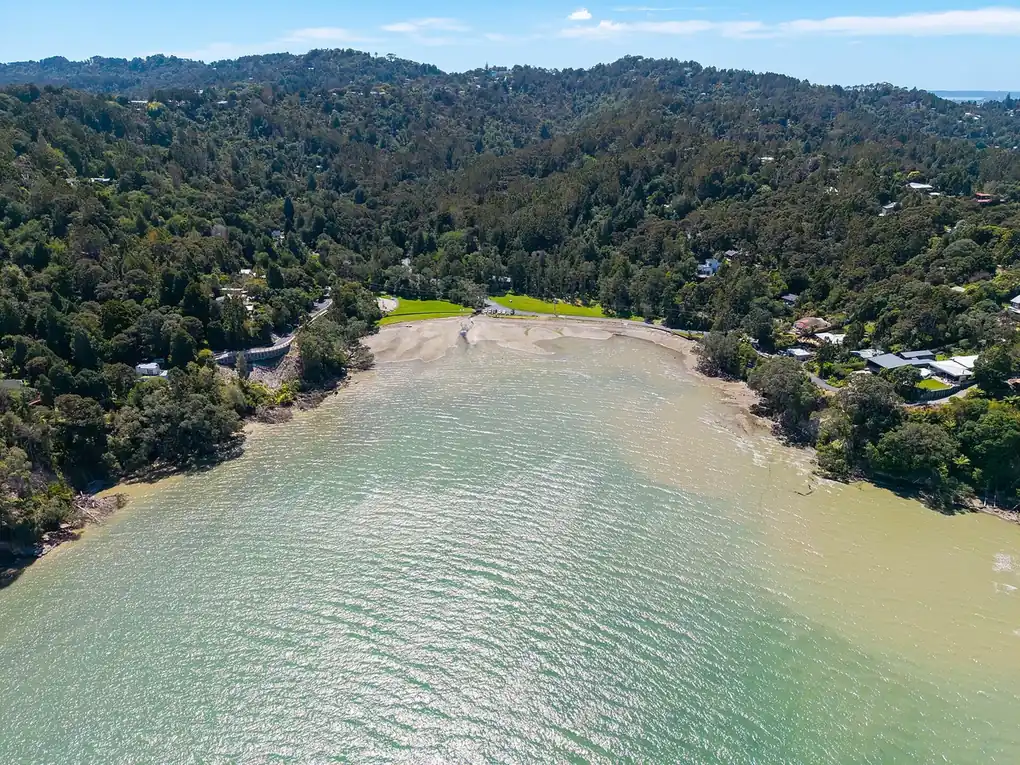
Where the bush starts at the letterbox
In June 2019, Titirangi residents described rats the size of cats around the village. RNZ covered it that month: free-roaming chickens are common there, the council promised more pest control and asked people to stop feeding the birds because spilled feed draws rats, and a council director reminded owners that rats, mice and possums on their own premises are their responsibility.
The council was weighing whether to help residents with traps on private land.
Source: RNZ, 23 June 2019The report is dated, and the cat-sized reports were never confirmed as a separate giant species. The NZ Herald found that Forest and Bird could not link them to the Waitākere rise, and saw no sign the Ranges rats were bigger, only far more numerous. That story recorded footprints in 32% of winter tracking tunnels, the highest since monitoring began in 2002 and far above the 5% level birds need.
Why the Ranges matter to your roof
Ark in the Park covers 2,270 ha of the regional park, with thousands of bait stations and hundreds of traps, and its work is continuous and unfenced, according to the local board. Auckland Council's own bird-monitoring report concludes that control is not yet enough, because ship rats and other predators remain.
Our reading: controlled forest next door does not stop rats reaching your home, because they keep arriving across an open boundary. Ship rats are climbers, DOC says, and favour lowland forest, so a house with trees overhanging the roof is on their route. The page on rats and mice in Titirangi covers that, and the broader roof-space rat guide shows treatment.
Houses on poles
Some Titirangi houses were raised on poles so they could be built among bush without harming tree roots, Wikipedia notes. A pole house has an open underside and often a deck or branch touching the structure. Our reading is that this leaves the sub-floor and the cladding both accessible to rodents and spiders, and rat-proofing is as much carpentry as bait. See rat-proofing pole houses and subfloors.
More than half of Titirangi's mapped area is under an ecological overlay.
Source: Auckland Council open data, Significant Ecological Areas and streams, measured 17 November 2026Local groups
The Pest Free Waitākere Ranges Alliance directory includes Titirangi Urban Sanctuary on the south peninsula, which traps among other tasks, and the Kawaka Reserve walkway friends, who plant, weed and trap. A third group, 20 Acre Wood, carries a wasp tag with no detail, so we have not built a wasp story on it.
Borer in a damp bush house
Consumer NZ says two-tooth borer, which can last up to 11 years in wood, are more common in bush-clad areas. With 738 ha of Titirangi in an ecological overlay, it is reasonable to expect that style of timber and setting here, though no source tells us how many houses are affected. The detail is on the borer in Titirangi page. The article on borer, damp and high rainfall near the Ranges explains the damp connection.
Spiders
No sourced spider fact exists for Titirangi, so this page does not make a claim. Open undersides and tree contact suggest webs and eaves are an issue, and the spider guide explains the options.
What a visit costs
Rat or mouse treatment ran about $199 to $300 for a standard house in the sources we read, more for large or awkward homes, and one trade source says $1,000 or more for major infestations. Seen on 17 November 2026. The rats and mice price guide has the references.
Close by
Laingholm lies south and Glen Eden is north. Properties of this kind are grouped on the bush-edge homes page, and pest control across West Auckland has the full list of suburbs.
Booking
Call 09 872 7624. An assistant takes the address, a specialist rings back, and a written quote follows a visit. The callback form is the online way in.
Sources for this page
Where a source describes the place rather than pests, the pest relevance is our own reading.
- NZ Herald (The Country)
- Auckland Council technical report TR2023/12 (Knowledge Auckland)
- Waitākere Ranges Heritage Area news (Waitākere Ranges Local Board)
- Wikipedia
- Auckland Council open data (ArcGIS REST: Unitary Plan Base Zone, Flood Plains, Significant Ecological Areas, Permanent Streams)
- RNZ
- Pest Free Waitakere Ranges Alliance