Rat proofing pole houses and open subfloors
Homes raised on poles and ventilated subfloors have their own entry routes. Where rats get in and how gaps are closed.
Published
In this note
A house on a slab has one kind of rat problem. A house up on poles, with the bush running underneath, has a completely different one. West Auckland has plenty of both, and the raised ones are more exposed than their owners often realise.
This note walks through where rats get in on a pole house or a ventilated subfloor, how the gaps are closed, and what should happen before and after.
Why pole houses are different
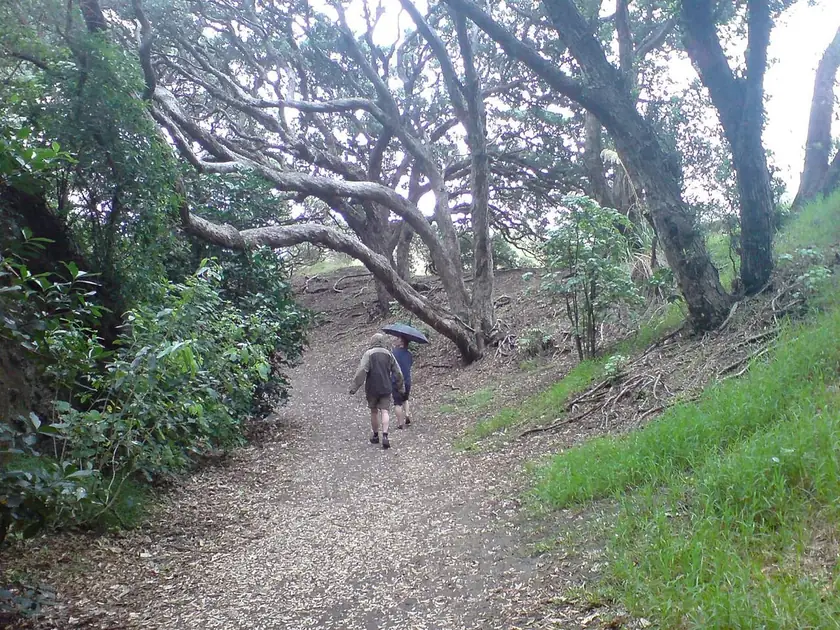
In Titirangi, according to Wikipedia, some houses were raised on poles so they could be built in the bush without damaging tree roots. The same idea shows up across the Ranges, in Laingholm, Oratia and Piha, wherever a steep section meets forest.
Some Titirangi houses were raised on poles so they could be built in the bush without damaging tree roots, and road access improvements in the 1960s made the community increasingly suburban.
Source: WikipediaThe result is a house with a large, open, shaded underside. There is usually timber, pipework, insulation and cables hanging in that void. For a rat it is a sheltered, dry, quiet space beside forest, and our reading is that this combination makes it an attractive place to nest or to pass through on the way upstairs.
Where rats enter on a raised house
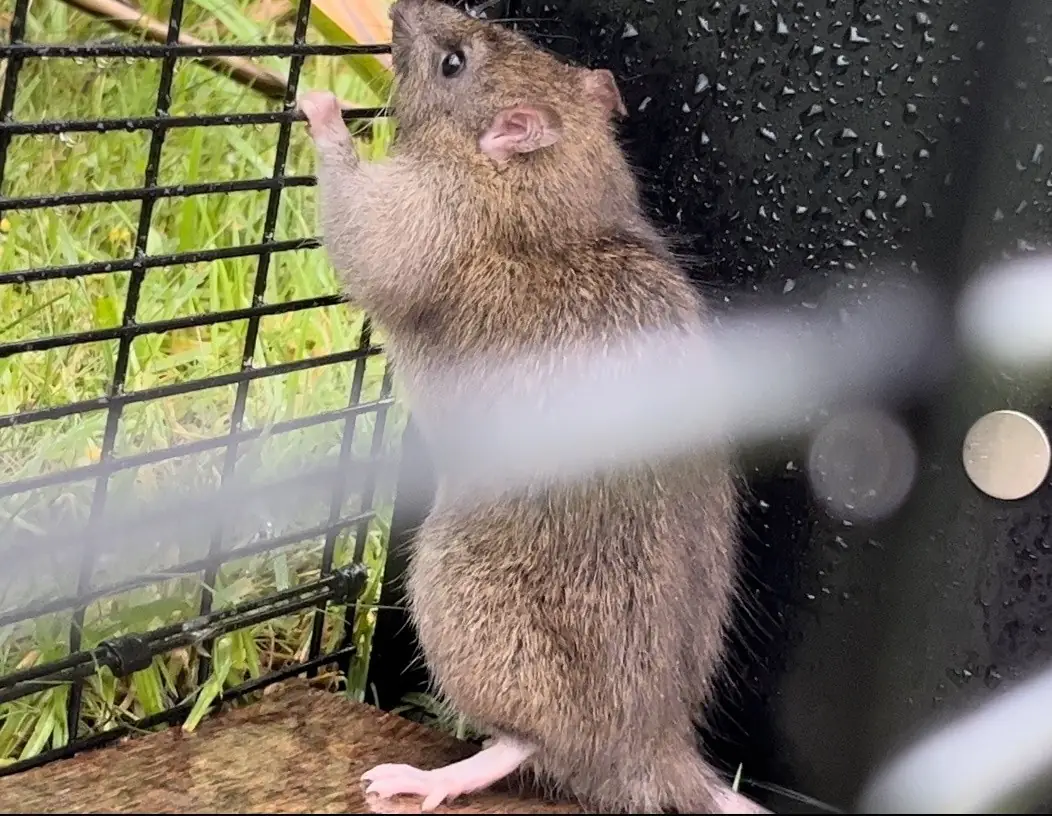
Pipes and cables. Wherever a waste pipe, water pipe, gas line or cable goes up through the floor, there is often a gap around it. A ship rat or Norway rat can fit through a surprisingly small opening, and a mouse through even less.
The floor itself. Old floorboards with gaps, loose sheets under the bath and cut-outs for services all provide routes into wall cavities.
Cladding and bottom plates. Where weatherboards or sheeting end near ground level, gaps open behind them. On a pole house, that continues into the underside.
Stairs, decks and planting. Timber stairs that touch the ground, trees against the deck and climbing plants give rats a path. DOC describes the ship rat as a good climber, so a path to the first floor is never a problem.
Ventilation openings. Subfloor vents are meant to be open, but torn or missing mesh is a common weak point.
How gaps are closed
The general approach is to close what can be closed without choking the ventilation the building needs.
- Fine, rust-resistant mesh across vents and larger openings.
- Sealing or collaring around pipes and cables, using materials that rats can't gnaw through easily.
- Replacing damaged sheet or board.
- Trimming plants and branches away from the house.
The materials matter. Rats gnaw, so a soft sealant alone is not enough around a big gap. Technicians typically combine a hard barrier with a filler. Our rodent proofing page describes the work, and there is no verified price for it, so a specialist quotes after a look. The rats and mice price guide explains why.
Order of work: control first, proof second
If you seal a house while rats are inside, they get trapped, and trapped rats chew new exits or die inside the wall. The sensible order is to deal with the animals first, using traps or bait stations placed by a technician, check that activity has stopped, and then close the gaps. That is why proofing is often a second visit.
Inspect.
The technician looks at the subfloor, the roof space and the outside.
Control.
Devices go in at the places rats travel.
Check.
The technician confirms activity has dropped.
Proof.
Entry points are closed, with ventilation kept.
Review.
You get notes on what was done and what to monitor.
The safety side
Bait in an open subfloor is a different risk from bait in a locked station in a roof. Dogs, cats and children can reach a subfloor, and birds can reach whatever a poisoned rat leaves behind. DOC's work on anticoagulants documents secondary poisoning risks to predators and non-target animals, so placement matters. On a bush-edge property with moreporks and other native birds nearby, a technician decides between traps and bait stations. Don't put loose bait under your house yourself. If a pet may have eaten bait, phone a vet straight away.
All of that sits inside the Hazardous Substances and New Organisms Act, and products are used to label. For details, see our safety and products page.
Local pressure on bush-edge homes
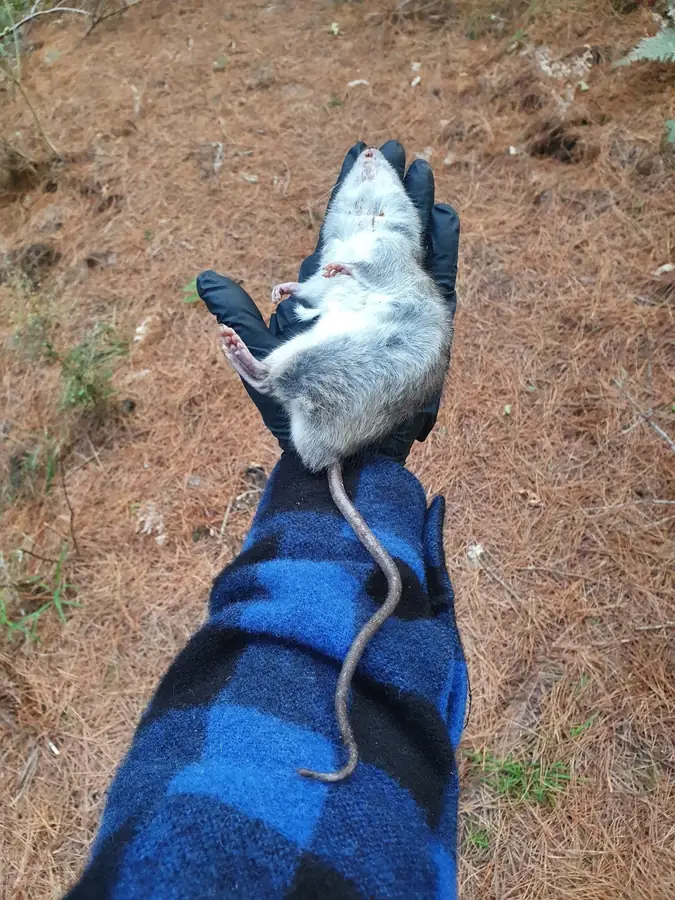
Auckland Council's forest bird monitoring report says ship rats and other mammalian predators are still present in the Waitākere Ranges, and the Ark in the Park project covers 2,270 ha with 4,785 bait stations and 554 traps.
That is park-scale control. It does not stop a rat leaving the bush for the shelter and food under a house, which is our reading. In Titirangi, RNZ reported in 2019 that locals saw rats "the size of cats" near village chickens, and Auckland Council said owners are responsible for managing rats on their own property. The council director's point is a reason to take proofing seriously: nobody else will do it for the house.
Titirangi locals reported rats the size of cats near free-roaming chickens, and Auckland Council asked people not to feed the chickens because scattered food attracts rats.
Source: RNZFor the setting, see our pages on Titirangi rats and mice, Laingholm and bush-edge homes.
A checklist you can do from outside
- Walk around the house in daylight and look at the base of the cladding.
- Look at vent covers for tears.
- Check where pipes enter the floor and wall.
- Trim branches within about a metre or two of the roof and deck.
- Keep compost, bird feed and pet food off the ground at night.
Don't climb into a confined subfloor alone if it is tight, damp or has old insulation. A technician does that as part of the visit.
Can I just stuff steel wool in the holes?
It can help as a temporary measure, but it rusts and may be pushed out. A proper mesh or hard barrier lasts longer, and the order of work still matters.
Will proofing keep every rat out?
No building is perfectly sealed. Proofing reduces the routes and pairs with ongoing monitoring.
Is a raised house worse than a slab?
In our reading it has more entry routes, because of the open underside. A technician judges each house.
Arrange a subfloor check
Start with the rats and mice overview for the full service, or the home page for the whole West. To arrange an inspection, book a callback or phone 09 872 7624. An assistant takes your details, and a specialist rings you back.
Call 09 872 7624, or book a callback and a specialist will ring you.
Call now Book a callback