Bush-edge homes
Ship rats in the roof, damp timber and wasps on forest boundaries.
What counts as a bush-edge home
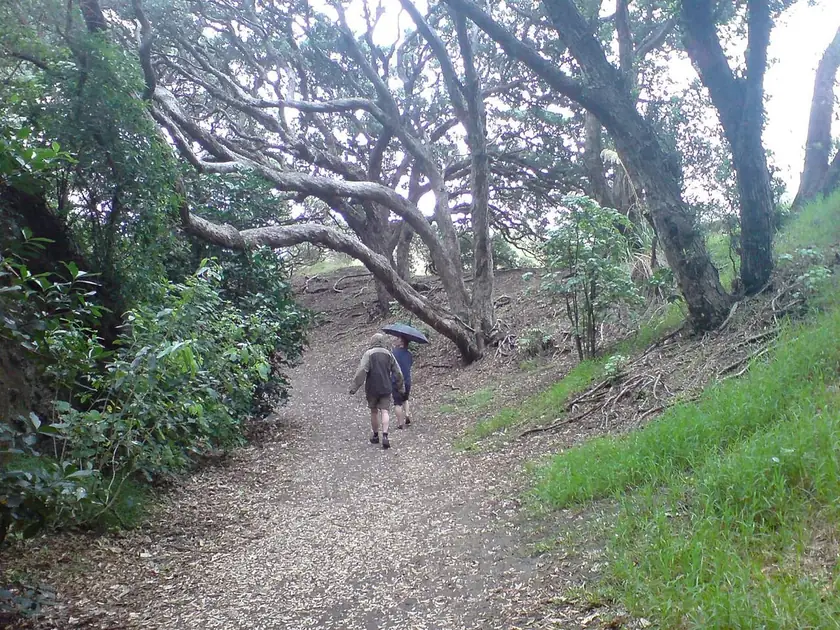
The test is simple: can you see native bush from the back fence, or do branches reach the roof? In Titirangi, Laingholm, Oratia, Glen Eden, Swanson and Piha and Karekare, many people can answer yes.
Auckland Council says the Waitākere Ranges Heritage Area covers approximately 27,700 ha of public and private land, that the Heritage Area Act 2008 aims to preserve its natural character, and that the regional park makes up about 60 per cent of it. A lot of protected forest means a lot of suburban boundary touching it, which is our reading of why these suburbs share a set of pests.
The Heritage Area Act 2008 aims to preserve the area's natural character; the regional park covers around 60 per cent of the roughly 27,700 ha.
Source: Auckland Council, Waitākere Ranges Heritage AreaRats: the roof-void kind
DOC says the ship rat is the most commonly found rat in New Zealand, a good climber and widespread in lowland forest. Ship rats are the ones that reach a roof along a branch or a power line. On bush-edge homes that is the typical complaint: footsteps above the ceiling at night, droppings in insulation, chewed wiring.
The forest next door is not clean of them. The NZ Herald reported that winter tracking in 2019 found rat footprints in 32% of tunnels in the Ranges, the highest since Ark in the Park began in 2002. Ark in the Park now covers 2,270 ha with 4,785 bait stations and 554 traps, and its predator control is continuous with no fence around it. Auckland Council's monitoring report concludes ship rats and other mammalian predators are still present. Our reading is that edge homes will always receive rats from the forest, which is why proofing the house matters as much as removing what is inside.
The suburb pages show this in detail: Titirangi, Laingholm, Oratia, Swanson and Piha and Karekare each have a rat page, and Glen Eden has a more cautious one. For method, see the roof-space rats page and the article on rat-proofing pole houses and subfloors.
Borer in damp bush timber
Consumer NZ says the common house borer likes moist untreated timber and is often found on the south side of buildings or in floor timbers because they are prone to damp. It also says two-tooth borer, which can last up to 11 years in wood, are more common in bush-clad areas.
Adults fly for about a month between November and March, and larvae feed for up to four years.
Source: Consumer NZ, borer and other pestsThe council's open layers, read on 17 November 2026, show how bush-clad some of these places are: 738 ha of Titirangi, 324 ha of Laingholm and 2,490 ha of Piha are inside Significant Ecological Areas. The Ranges area average rainfall, which the council's freshwater report card puts at a long-term mean of 1,302 mm for the West Coast reporting area, keeps subfloors damp. We cannot count how many houses are affected, so borer here is an inspection prompt. The detail is on the pages for borer in Titirangi and borer in Laingholm, and the article on borer, damp and high rainfall near the Ranges explains the damp link.
Piha has old timber baches and houses in the forest, which raises the same question, but we found no source on it. Treat it as a reason to look at the subfloor if you buy or renovate.
Wasps
Bush edges also host wasps. Piha has the strongest record: the community wasp pilot in Te Ahuahu Road reduced wasp numbers by an estimated 70%, using bait stations from late February to mid-March, and 476 bait stations have since been installed across Piha. Laingholm's neighbourhood group lists wasps among its work, with no counts. DOC says New Zealand has some of the highest densities of German and common wasps in the world, because they have no natural predators. Read the pages for Piha and Karekare wasps and Laingholm wasps, and the nest removal page.
Spiders in the trees
We found no sourced spider record for Titirangi, so we do not claim one. Open undersides on pole houses and tree contact suggest webs around eaves and decks, and the spider hub covers options.
What treatment looks like
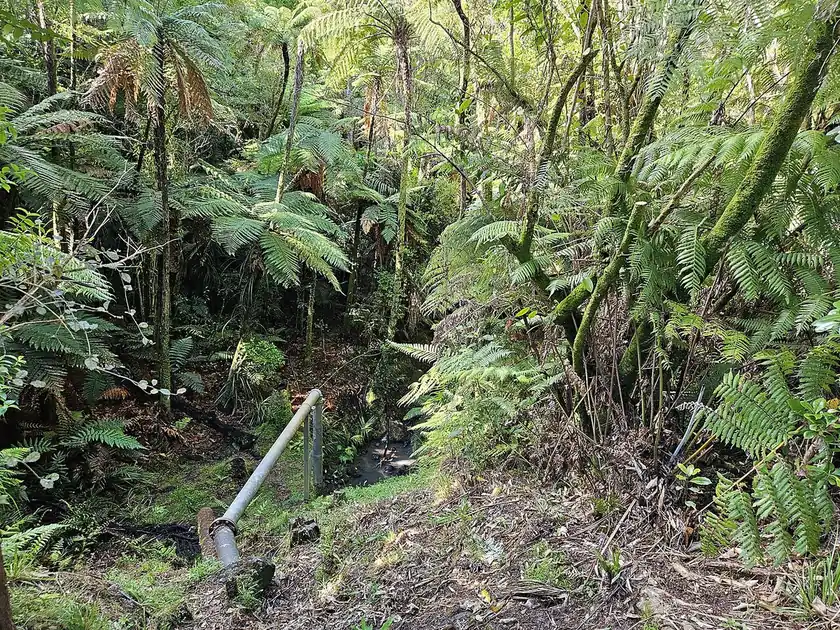
A visit starts outside: overhanging branches, woodpiles, compost, then the roof and subfloor. The aim is to reduce what is attracted, close the gaps and then treat what is inside. A volunteer trap line can lower numbers in the neighbourhood, and it does not replace sealing your own house.
Cost
Rat or mouse treatments run about $199 to $300 for a standard house, with major infestations at large properties up to $1,000 or more according to a trade source. Wasp nests above ground are around $100 to $250. Seen on 17 November 2026; the rats and mice price page has the references.
Where this is common
The suburbs to start with are Titirangi, Laingholm, Oratia, Glen Eden, Swanson and Piha and Karekare. The region page and the home page show the rest.
Next step
Call 09 872 7624 and an assistant takes your details for a callback, or use the callback form.