Rats and mice in Massey
A creek-side trapping group in Massey hands out free traps to residents. That is a useful hint about where to look first in the house.
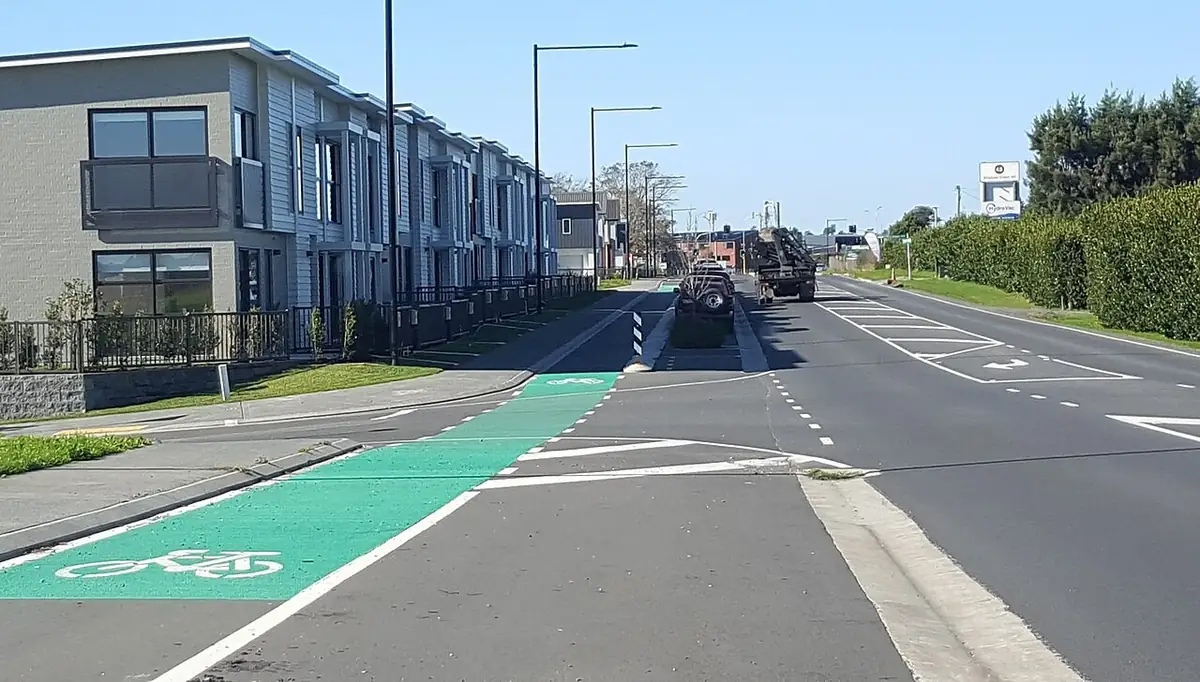
Riverpark Reserve sits between Henderson, Lincoln North and Massey, and a group called Predator Free Wai Huruhuru Creek works to clear it of rats and possums.
Riverpark Reserve spans Huruhuru Creek and is described as a bush and estuarine area being restored. The Predator Free Wai Huruhuru Creek group works to rid the area of pests such as rats and possums and offers free traps to residents.
Source: The Trusts, 23 September 2024A volunteer group that gives traps to residents is expecting rats to be an ordinary household question. It also tells us the creek corridor is the pressure point, not the middle of the suburb.
What the land looks like
Massey's boundary covers 1,775 ha, including Royal Heights. It holds 560 ha of Countryside Living zone, 451 ha of Mixed Housing Urban and 315 ha of Mixed Housing Suburban. About 115 ha is Significant Ecological Area, 96 ha is flood plain and there is 44 km of stream (measured 17 November 2026, boundaries generalised).
Source: Auckland Council open dataRoughly a third of the area is Countryside Living, which is lifestyle-block land with sheds and open grass, and the rest is ordinary suburban housing. The stream network threads between them.
Built in a particular era
Wikipedia says most of Massey was developed in the 1970s and 1980s, with 5,919 dwellings counted in 2023, and that Moire Park is bounded by Lawsons Creek on the east and the Manutewhau Stream on the north (source). Houses from those decades commonly have a garage under or beside the living area, a roof void with older insulation and an eaves detail that has weathered. We have not surveyed Massey houses, so this is our reading of the era and not a statistic. It is nonetheless where we would check first.
Different kinds of property, different priorities
- Creek-side sections: start outside. Check fence lines, the planted strip beside the water and compost heaps. The Department of Conservation says the Norway rat is mostly found in urban areas near human activity, which fits.
- Lifestyle blocks: sheds, feed stores and animal pens are the likely centre of a colony. The house roof comes second.
- Townhouse and infill sites: shared fences and bin areas matter more than the roof.
- Properties near Moire Park or the reserve bush: expect ship rats in the roof as well. Our page on rats in the roof space explains what that visit involves.
Working with the trapping group
Take the free trap if you want one for a garden rat. If the sound is inside the building, or droppings are showing up in the garage or roof, bring in a technician. They inspect, quote in writing, place tamper-resistant stations to label directions and set out any follow-up. Proofing is a separate step, covered on the rodent proofing page.
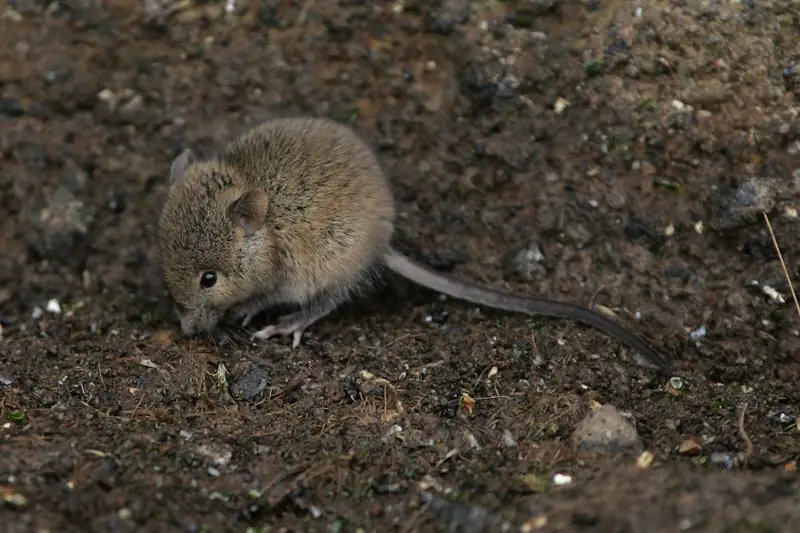
Price
Published Auckland sources give about $199 to $300 for a standard house and up to $1,000 or more for large or heavy infestations (checked 17 November 2026). A lifestyle block is likely to cost more than a townhouse. The price page lists the sources.
What helps between visits
Keep compost bins closed at the base, store bird seed and pet food in hard containers and pick up fallen fruit from any trees. Check the stream side of the section every few weeks for fresh burrows or droppings, and keep long grass cut back from the house. If you borrow a trap from the creek group, bait it with something fresh and check it each morning, because a dead rat left in a trap is a food source for others.
Is the creek the only source?
No. It is the corridor, not the only source. Open sections, compost and pet food bring them into gardens.
Are mice a Massey problem as well?
Yes, as in any suburb. Mice follow food and shelter and can nest in a garage as readily as a kitchen.
Get it looked at
The Massey suburb page has the broader local picture, and the hub for rats and mice explains how jobs run. Ring 09 872 7624. An assistant takes your details and a specialist calls you back, or use the callback form.
Sources for this page
Where a source describes the place rather than pests, the pest relevance is our own reading.