What time of day rats are active in a house
Rats are mostly night animals, but timing, noise and season show where they are and how many there might be.
Published
In this note
"What time do rats come out?" is one of the questions people type into a search box at 1am, usually while listening to something move above the bedroom. The short version is that rats keep to the dark. The useful version is that the hour you hear them, and how that changes, tells a technician quite a lot.
Dusk to dawn is normal
Rats are nocturnal. They tend to leave the nest not long after dark, feed and explore through the night, and return to shelter before first light. In a house, that means the busy period starts after the household settles down and the lights go off. Quiet helps them, because rats avoid people.
The ship rat is the common one in New Zealand lowland areas, and DOC calls it a good climber. It uses the roof space as a base and comes down walls and across cables to feed. The Norway rat tends to stay lower. Those habits are described in our note on ship rats, Norway rats and mice.
DOC says all three rats found in New Zealand are omnivorous, eating birds, seeds, snails, lizards, fruit, weta, eggs, chicks, larvae and flowers.
Source: Department of ConservationThat diet explains why a rat moving through a garden or house is looking for whatever is available: fruit on the ground, pet food, chickens' feed, a compost heap.
A rough timeline of the night
We don't have measured activity data for West Auckland houses, so this is a general pattern, not a statistic.
- First hours after dark: the first outing, often the noisiest, from nests in the roof or under the floor.
- Late evening to midnight: foraging inside walls, kitchens and gardens.
- Small hours: usually quieter, with a second burst before dawn.
- Early morning: return to nests. A noise at 5am is often the same animals going home.
Daytime sightings
Seeing a rat in daylight is a flag. Ordinarily they avoid light and people. A daytime sighting can mean a large population where nesting space and food are tight, which pushes some animals out to forage at odd hours. It can also mean the nest was disturbed, for example after building work, a clean-out of the shed, or a tree being cut down.
We say "can mean" for a reason. One daytime rat does not prove an infestation. But if you see more than one, or see them regularly, treat it as a reason to book, not to wait.
Sounds and what they point to
Scratching in the ceiling soon after dark suggests a roof-space nest. Scrabbling in the walls at the same time suggests a route down from the roof, or a nest in the wall void. Noise from under the floor, late in the evening, can mean the subfloor. A single, heavier thump is often a rat dropping from a joist.
Compare that with a possum, which is generally heavier, makes thuds and growls, and may run across the roof earlier or later. If you aren't sure, record the noise on your phone, because a technician can often tell from the recording. The signs of rats in the roof note describes the other clues you can find without going up there.
Seasonal changes
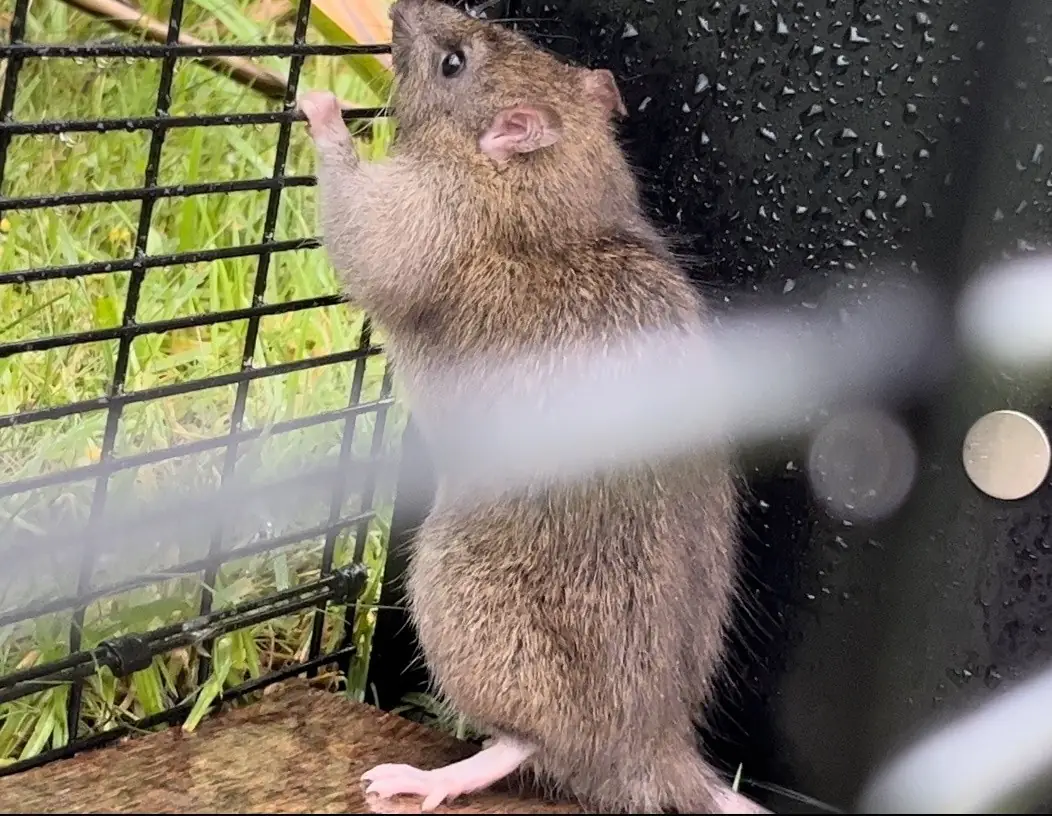
Rats move to shelter when the weather turns. As autumn arrives, with cold nights and wet ground, they look for dry warm places, which is how a quiet roof becomes a busy one. After heavy rain they can move too. In Ranui, the NZ Herald reported dozens of rats running from the Waiomoko Stream into houses after the January 2023 floods, though Auckland Council said it was unlikely rat populations had actually increased and suggested displacement or kerbside food as causes.
Dozens of rats were seen running from the Waiomoko Stream into houses along its banks in Rānui after the Anniversary Weekend flooding, with the council suggesting they may have been displaced by the floods or attracted to discarded food.
Source: NZ HeraldThat is a good example of how timing and weather change what you notice, without the number of rats necessarily changing. Our Ranui page has the local story.
Why the hour matters to the visit
A technician will want to know when you hear things. If it is always the first couple of hours after dark, a roof nest is likely, and devices will be set near the entry point and run. If it is the small hours at floor level, the subfloor or the kitchen may be the focus. This helps place devices where rats actually travel and avoid wasted setups.
Placing bait and traps near pets and children is a safety question, too. See how we use products, since a poorly placed bait is a risk no matter when rats are out.
What you can do tonight
Listen and note the time.
Write down when and where.
Put away food.
Pet bowls, fruit bowls, bird seed and bins.
Leave holes alone.
Sealing a nest entrance too early can trap animals inside.
Check outside in daylight.
Look for trees touching the roof and food on the ground.
Call in the morning.
The details help the specialist.
Local colour
Houses at the bush edge hear more of this. Ark in the Park reported 32% of monitoring tunnels with rat footprints in a record winter, per the NZ Herald, and the Ranges are close to many homes in Titirangi and Laingholm. That is a reading, not a count of house visits.
Do rats ever come out in the day?
Sometimes. A single sighting isn't alarming, but regular daytime activity suggests a bigger problem or a disturbed nest.
Are mice the same?
Mice are also mostly active in the dark, but they feed in brief bursts through the night and day. See mouse control.
Does noise at 3am mean a bigger problem?
Not necessarily. Rats are active at all hours of darkness.
Arrange a visit
If you are hearing activity regularly, book a callback or call 09 872 7624. An assistant takes your details and a specialist rings you back. For the full service, see the rats and mice page, or the main page for the West Auckland overview.
Call 09 872 7624, or book a callback and a specialist will ring you.
Call now Book a callback