Rats and mice in Avondale
A volunteer trust keeps tracking tunnels and traps on the Rosebank Peninsula because rats are there. That is the starting point for rodent work in Avondale.
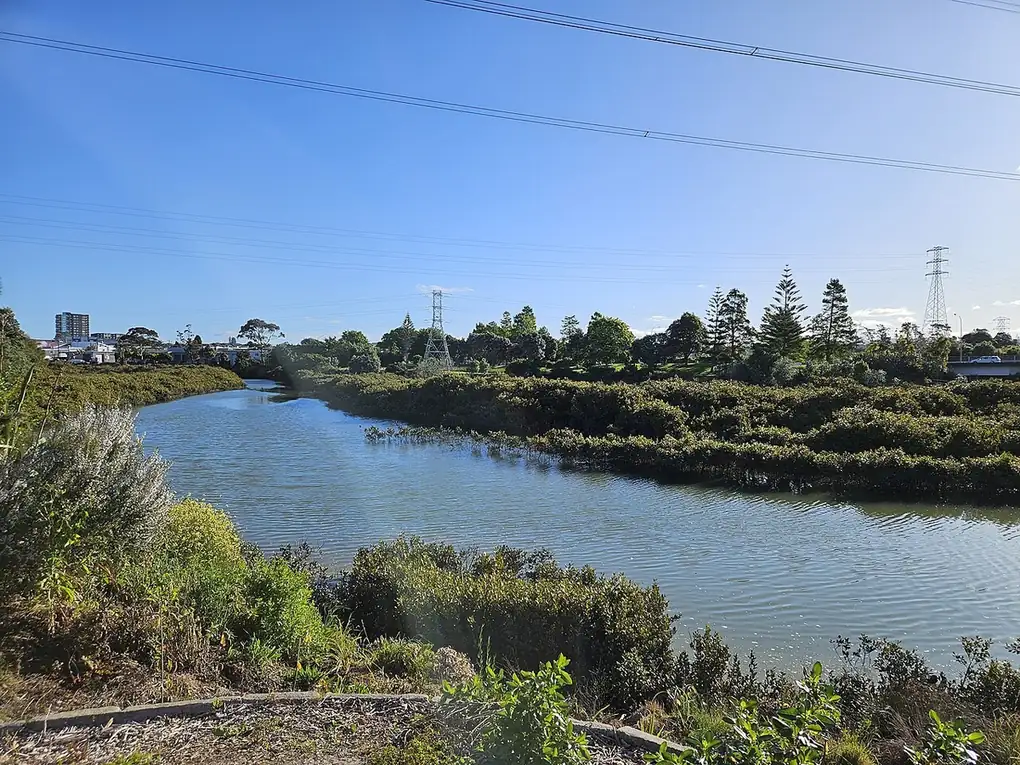
If a conservation group maintains a line of tracking tunnels at the end of your suburb, rats are not a rumour. They are a measured presence, checked regularly by people with clipboards.
The Whau River Catchment Trust says the Rosebank Peninsula has a line of tracking tunnels and DOC 200 traps, and that it regularly checks that possum, stoat and rat numbers are kept down. Its project list names the Avondale Reserve Restoration Project, Avondale Racecourse and the Avondale Stream Restoration Project.
Source: Whau River Catchment TrustThe trust has not published counts for Avondale itself, so we do not claim any. What the line does tell you is that rats, stoats and possums are present enough on this side of the Whau to need a monitored programme. Which likely means a steady supply of animals moving between the reserves, the stream edges and the streets next to them.
Ground-level rats, not roof rats
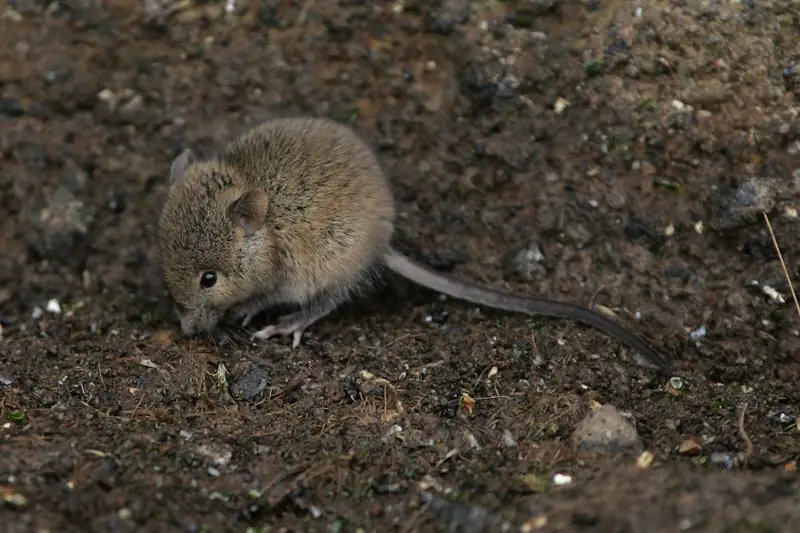
Avondale is not bush-edge in the way Titirangi is. The Department of Conservation describes the Norway rat as the species mostly found in urban areas, living alongside people, and that fits what the council's land data shows here.
Of Avondale's 768 ha (measured 17 November 2026, boundaries generalised), 80 ha is Terrace Housing and Apartment Buildings zone, 146 ha is Mixed Housing Urban and 63 ha is Heavy Industry. About 62 ha is mapped flood plain and 10.7 km of permanent stream crosses the suburb.
Source: Auckland Council open dataOur reading: a suburb with that much industrial land, that many closely built homes and that much flood-prone stream edge gives rats plenty to eat and plenty of shelter at ground level. The places we would look first are drains and downpipe bases, gaps under decks and sheds, bin enclosures, the strip between a boundary fence and a stream, and any property backing onto yard storage or a food business. A Norway rat is heavier than a ship rat and tends to burrow, so a hole beside a foundation or under a concrete slab is as telling as a mark on a rafter.
What this changes in the work
Three practical differences follow.
- Baiting is placed low and outside first. Tamper-resistant stations along fences, slab edges and the stream side of the section often do more than anything in the roof.
- Neighbours matter. With 80 ha of terrace and apartment zoning, many properties share walls, fences and drains. Where an adjoining property has food waste or a blocked drain, expect activity to return. It helps to mention that when you call.
- Wet ground means displaced animals. Rats in flood-prone areas move into buildings when water rises. After heavy rain, look for new droppings under cupboards on outside walls.
Roof-space activity still happens, particularly where a tree or power line gives access, and our page on rats in the roof space applies to those homes.
How a visit goes
A technician checks the outside edges first, then the subfloor and garage, then the roof space if there are signs overhead. You get the scope and price in writing before anything is set. A standard job has been priced in published Auckland sources at about $199 to $300 (checked 17 November 2026), and larger properties can go to $1,000 or more; the ranges and the sources are on the rats and mice price page. Where gaps are found, proofing follows once activity stops.
Is the Rosebank trap line a sign that Avondale houses have rats?
It is a sign rats live nearby. It does not say how many are in any house. That is what an inspection finds.
Do I need to worry about the Avondale spider as well?
Different animal, different problem. The huntsman named after this suburb is large but docile, and we cover it on the page about spiders in Avondale.
Next step
For the wider picture of how rat jobs run, start at the rats and mice hub or the Avondale suburb page. To arrange a visit, call 09 872 7624, where an assistant takes your details for a specialist callback, or use the callback form.
Sources for this page
Where a source describes the place rather than pests, the pest relevance is our own reading.