Rats and mice in Hobsonville
The air force land at Hobsonville Point became a suburb in a little over a decade. Volunteers still trap rats and stoats in the reserves around it.
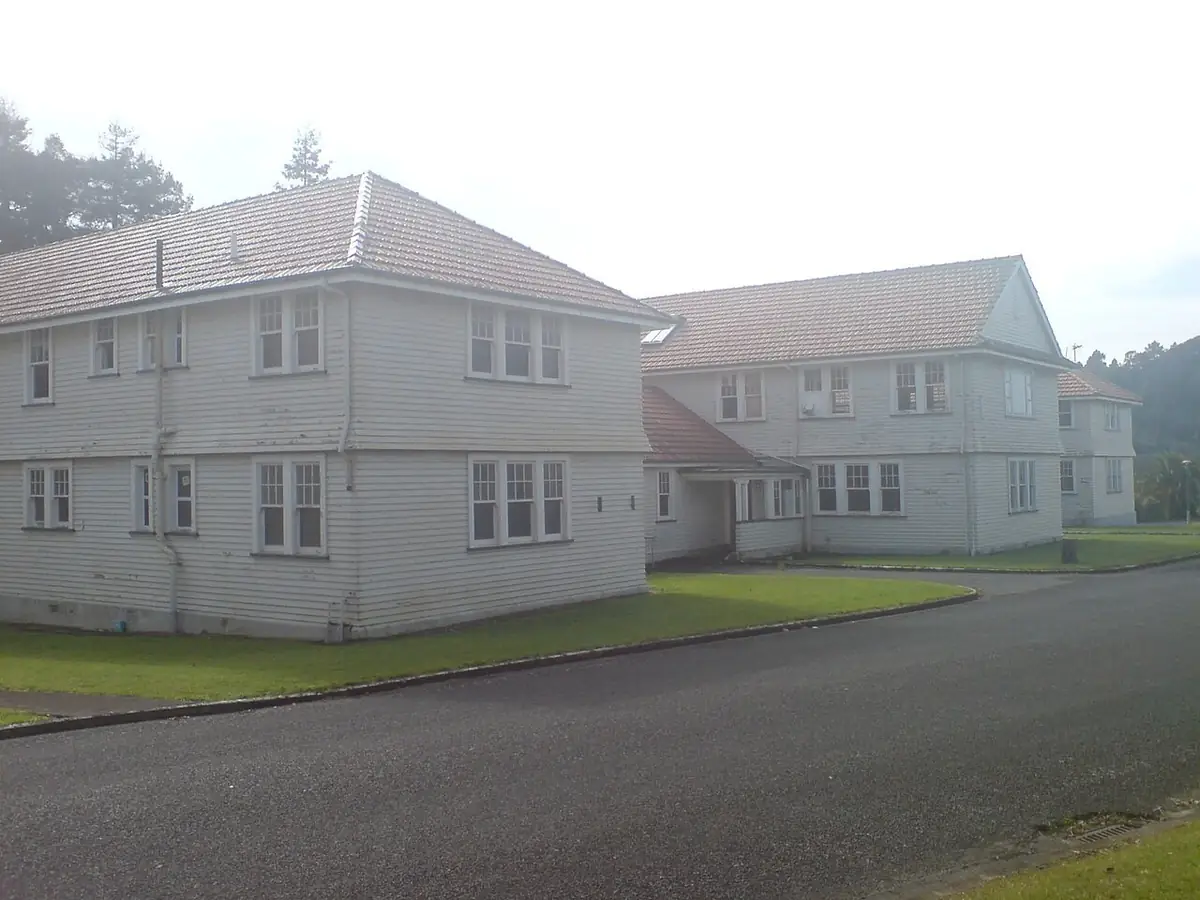
The place had a very different past. Heritage New Zealand's record of the old base sets out what happened to the land.
RNZAF Hobsonville sat on a flat site with harbour frontage at Hobsonville Point. Henry Clark's farm was bought in 1925 for a land and sea base. In 2000 the government announced the base was no longer needed and would close, and from 2005 to 2016 most of the land went to Housing New Zealand.
Source: Heritage New Zealand, List entry 9710Large old sites, once cleared, drive rodents into neighbouring land and into the first buildings available. In our experience of similar new suburbs, that means construction-era disturbance and then a settling-in period.
The volunteers
Habitat Hobsonville, part of the Upper Waitematā Ecology Network, mainly traps rats, stoats and possums at Sunderland East Wetland and Nimrod Esplanade Reserve in Scott Point. About 200 volunteers are on its database. It is supported by Auckland Council, the Upper Harbour Local Board, Kaipatiki Project and the Hobsonville Point Residents Society.
Source: Volunteering Auckland, 26 November 2024A group of that size on that task means the wetlands and esplanades are the reservoirs, and the houses beside them are the closest shelter.
How big the build is
Wikipedia reports 14,025 people in 4,977 dwellings in the 2023 census, up 177.9% on 2018, and says Housing New Zealand first planned 3,000 homes at Hobsonville Point, raised to 4,500 by 2019 (source). Council data adds that 159 ha of the suburb's 613 ha is Mixed Housing Urban, with 42 ha of flood plain, 17 ha of ecological overlay and 4.8 km of permanent stream (measured 17 November 2026, council layers).
Our reading: with so little stream, the rodent route here is the harbour edge and wetland reserves, and the houses are very new. That changes what a technician checks.
- Gaps around services. Plumbing, cable and meter-box entries on a recent build are the commonest gaps, since the house was built quickly and nobody has had time to check the sealing.
- Terrace and shared-wall houses. A mouse can pass between homes through shared voids, so a problem in one unit may involve the next.
- Bin areas and landscaping. Fresh planting and mulch provide shelter close to the house.
- Shared drains and fences. Neighbours' habits matter as much as your own.
The Department of Conservation says the Norway rat is mostly found in urban areas, and the ship rat is a good climber, so both are possible here.
Visit and cost
The technician checks the exterior, the garage and any accessible void, quotes in writing and places stations or traps to label directions. A standard house has been priced at about $199 to $300 in published Auckland sources, and large or heavy jobs at $1,000 or more (checked 17 November 2026); sources are on the rats and mice price page. On a new house the follow-up is almost always proofing.
If you rent in a townhouse, tell the owner or property manager about what you have found, because the repairs to the building itself are not something a tenant can usually arrange.
What to ask about the build
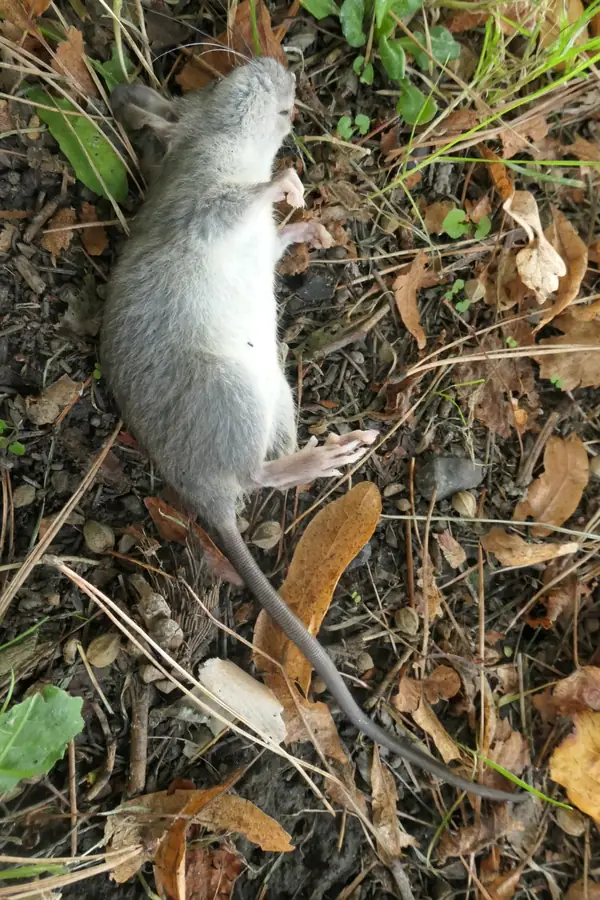
If your house is new, find out whether the builder or developer has any warranty or defect process covering gaps in the exterior, and keep a photo record of what you find. Look at the point where services enter the garage, the meter box, the join between a deck and the wall, and the ends of the soffit. Small gaps in those places are the usual route for a mouse. Reporting them early is easier than waiting for droppings in the pantry.
Does a new house really get rats?
Yes, regularly. New does not mean sealed.
Is this the same as the cockroach question in Hobsonville?
No. See cockroaches in Hobsonville for the apartment side.
Where next
The Hobsonville suburb page and the page on new-build estates cover the setting. For a visit, ring 09 872 7624. An assistant takes your details and a specialist calls back. Or use the callback form, and read the rats and mice overview first if you want the process.
Sources for this page
Where a source describes the place rather than pests, the pest relevance is our own reading.