Fleas in a rental before you move in, and pet prep
Flea eggs can wait in carpet for months. How to deal with a flat before moving in, and how pets fit into the plan.
Published
In this note
You collect the keys, carry the first box through the front door and within an hour there are red dots on your ankles. Nothing was visible when you viewed the flat. The fleas were waiting.
This note is about the best time to deal with fleas in a rental: before your furniture goes in, and with a plan that includes any pets. It also covers who to talk to, and what a treatment might cost. Our flea service page explains the visit itself.
Why an empty flat can bite
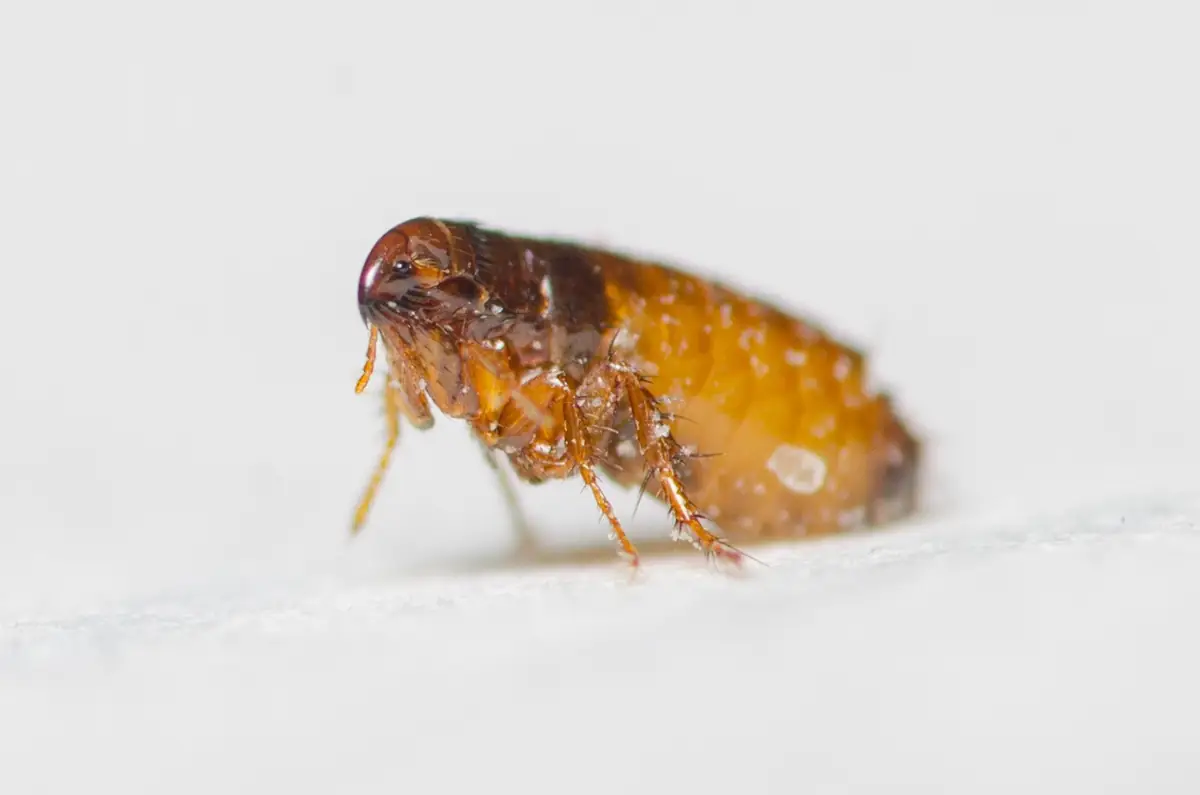
The cat flea is the usual house flea in New Zealand. Adults on a pet lay eggs that drop into carpet, bedding and floor cracks. The eggs hatch into larvae that hide from light, feed on debris and spin cocoons. The pupae inside those cocoons can wait for a time, and vibration, warmth and carbon dioxide from a person walking in trigger them to emerge.
So a flat left empty after the previous tenants, and their cat, moved out can still hold a fleas-in-waiting population. When you arrive, they come out together. That is why people say the flat was clean when they viewed it. It was, in the sense that nothing was jumping yet.
Why rentals feature so often
West Auckland has many tenancies. Auckland Council's Western Initiative census summary reports 83,589 occupied private dwellings in 2023 across the Henderson-Massey, Waitākere Ranges and Whau local board areas, and says the 47.5% not owned or held in a family trust were mainly rented.
At the 2023 Census the Western Initiative area had 83,589 occupied private dwellings. 52.5% were owned, partly owned or held in a family trust, and the remaining 47.5% were mainly rented. The figure covers three local board areas.
Source: Auckland Council, Western Initiative 2023 census summaryThe number is for three boards, not one suburb, and it says nothing about fleas directly. Our reading is that a high turnover of tenants, many with pets, means more flats go through the empty-then-occupied cycle that makes fleas visible. Suburbs such as Henderson, Te Atatū and Glen Eden have a lot of this kind of housing, though the council summary does not break it down.
Before you move in
If you have the keys but have not moved your things:
- Do a sock test. Walk through each room in pale knee-high socks for a few minutes. Fleas jump onto them and are easy to see.
- Vacuum everything. Floors, floor edges, the sides of skirting boards, mattress bases and upholstered pieces. Empty the vacuum straight into a sealed bag and put it in the outside bin.
- Tell the landlord in writing. Include dates and photos of the bites or the fleas.
- Ask who will arrange the treatment. Tenancy Services publishes guidance about responsibilities. Check it before paying for work yourself.
- Book the treatment before the removal van. A technician treats floors and edges when rooms are empty, with no furniture to move, which is easier to do well.
Pet preparation
Pets are a part of the plan and they are a vet's matter. Please speak to your vet about a flea treatment suited to your cat or dog, and time it for the same day as the house. If the animal is not treated, it brings fleas back in the first week.
On the day of the house treatment:
- vacuum thoroughly beforehand;
- wash pet bedding on a hot cycle;
- take the pets out of the house during the treatment and until the technician says it is safe;
- remove fish tanks or turn off and cover air pumps, as directed;
- cover food, bowls and children's toys, or put them in another room.
The technician will give a drying time and tell you when pets can return. These steps follow product labels, and safety and products explains the approach we arrange.
What to expect after
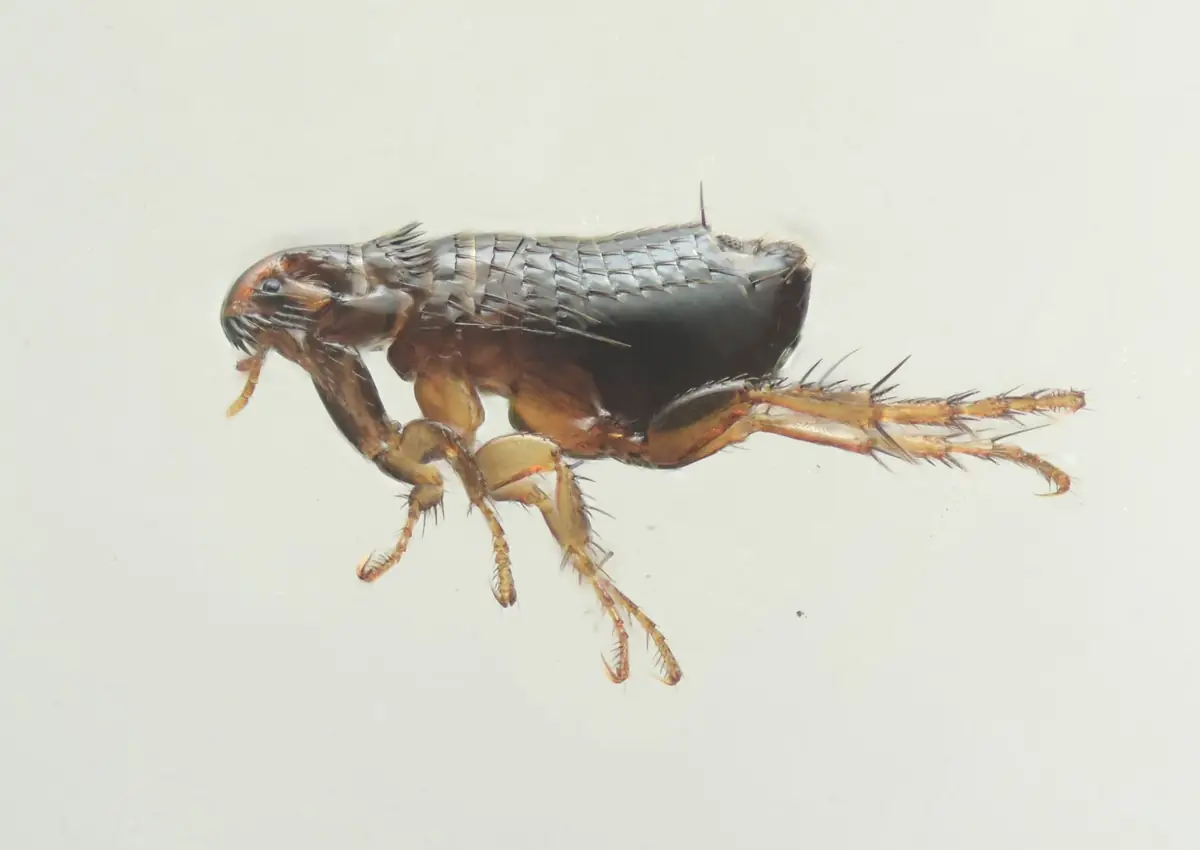
Many households see some fleas for up to two weeks after treatment, which is normal, because pupae protected inside cocoons hatch after the product has been applied and are then exposed to it. Keep vacuuming daily, concentrating on pet areas and high-traffic spots. Leave the treated floors alone until they have dried, and then continue to vacuum and empty the cleaner outside.
If you are still seeing lively fleas after three weeks, tell the specialist. A repeat visit might be needed.
Other sources of fleas
Not every flea problem is from the last tenant's cat. Other routes include:
- wildlife in the roof or subfloor, such as rats or possums, which can drop fleas into living areas;
- a neighbour's pet that uses your deck;
- second-hand rugs and furniture.
If wildlife is the cause, treating the carpet alone will not stop it, and the roof space needs attention. The rats and mice page explains that job. A technician will help sort out the source.
When it is not fleas
Bites around the ankles are classic for fleas, but mites and bed bugs also cause itchy bites. A bite pattern on the upper body or on the arms at night points away from fleas. The specialist's questions on the callback help sort this out, and a photo of the insect is the best evidence.
What it costs
These indicative figures were checked on 17 November 2026, and none is specific to West Auckland. Professional Pest Manager surveyed 108 respondents and reported an average flea treatment of $263, with prices from $120 to more than $500, and an average of $191 for an end-of-lease treatment, ranging from $110 to $300 or more. One Auckland operator publishes flea and mite treatment from $199. The fleas and flies price guide lists the sources, and the specialist quotes in writing after the property is seen.
Book before you move
Call 09 872 7624 so an assistant can take your details for a specialist callback, or book a callback with your move-in date. We can then plan the visit around it. For what else we do, see pest control across West Auckland.
Call 09 872 7624, or book a callback and a specialist will ring you.
Call now Book a callback